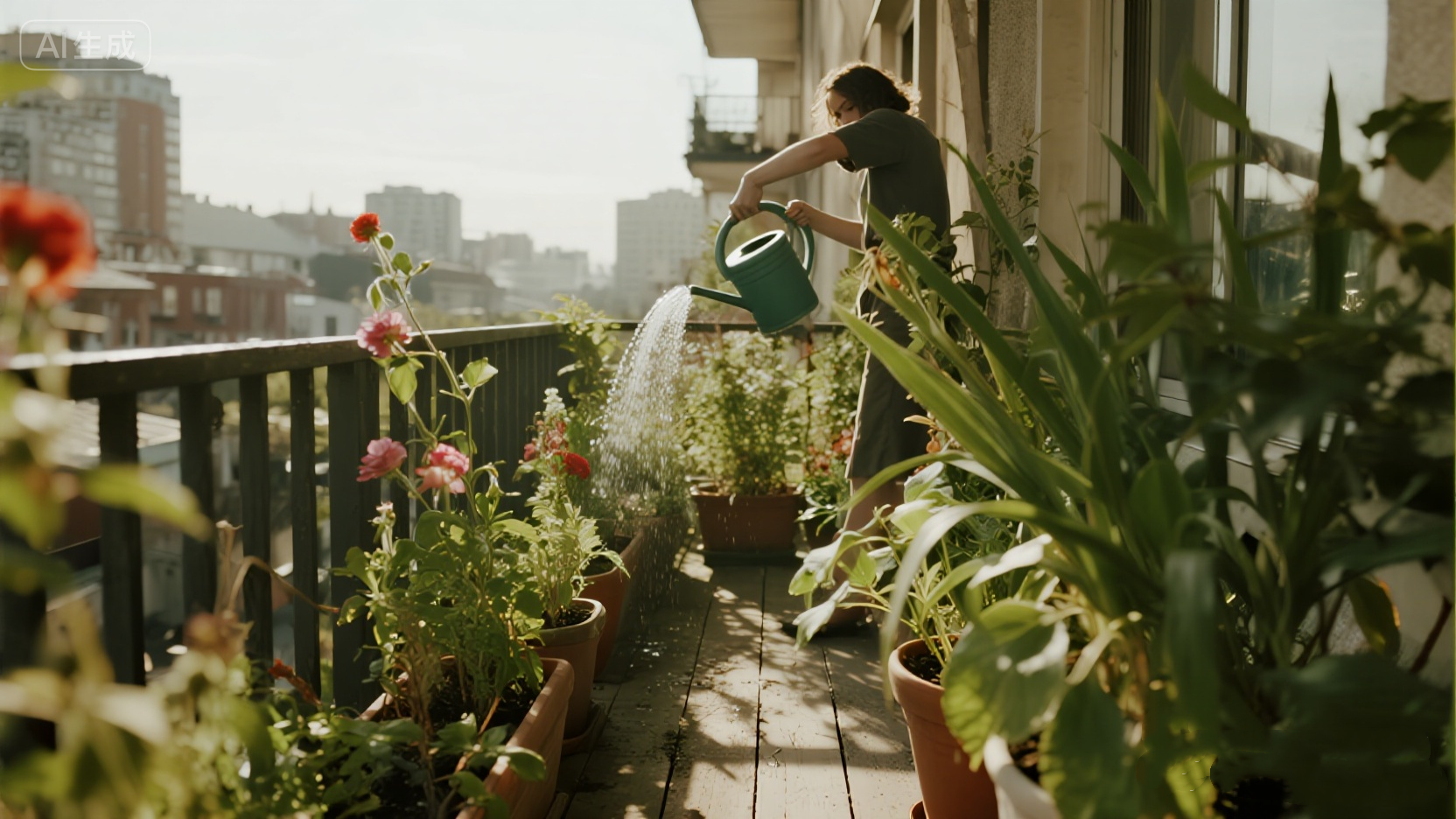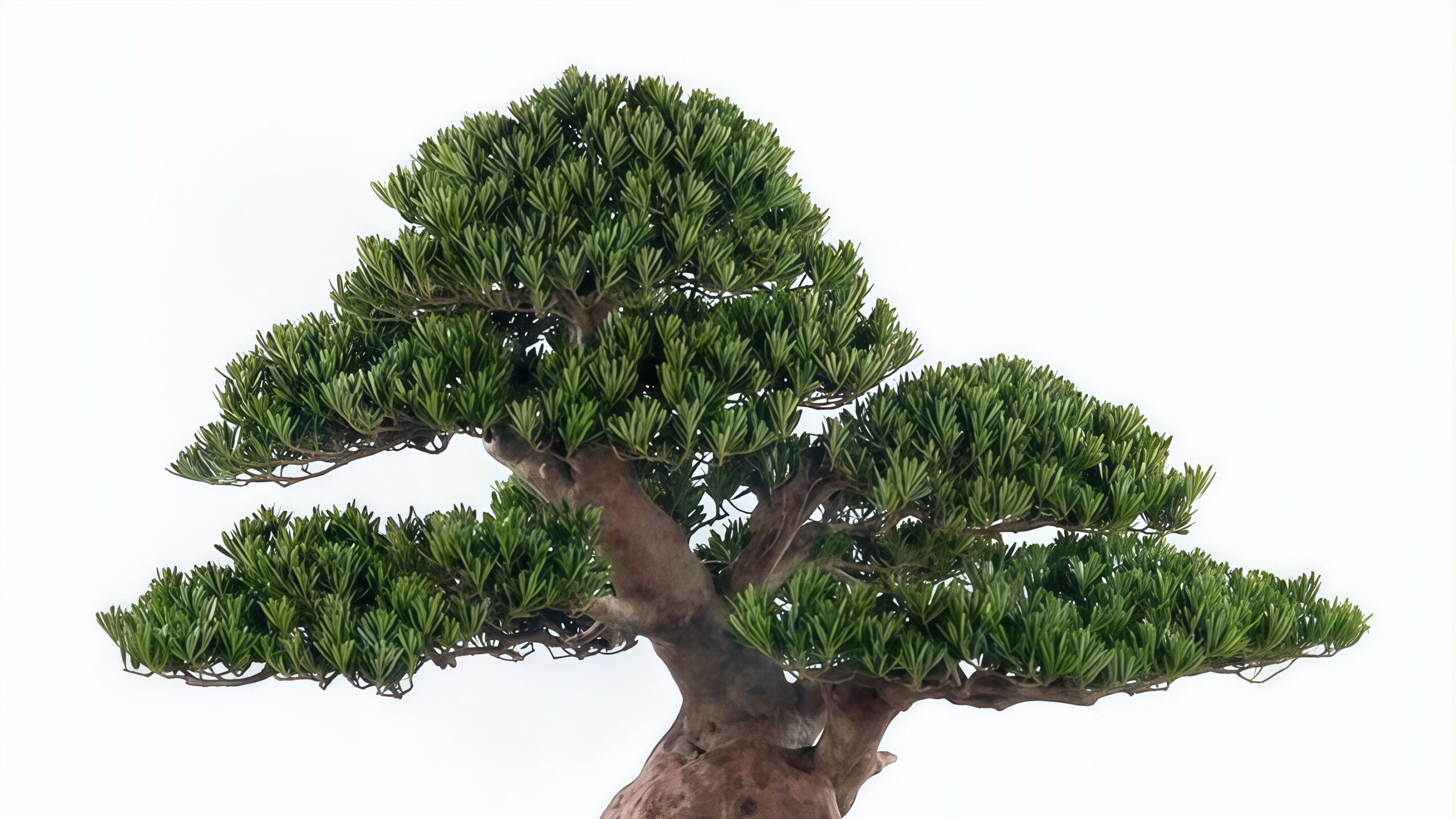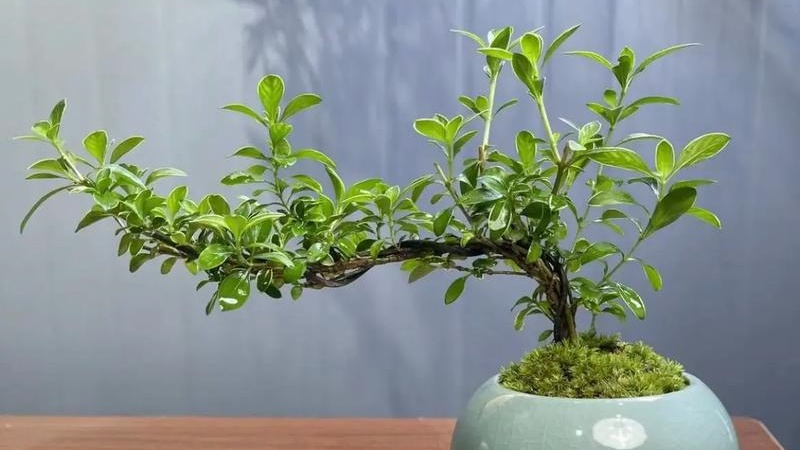
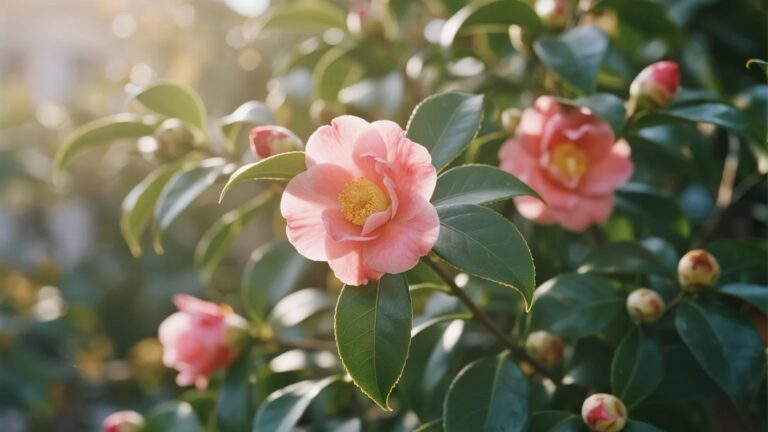
Camellias are prized for their exquisite winter and early spring blooms that bring color to the garden when little else is flowering. With their glossy evergreen leaves and stunning flowers, these elegant shrubs are well worth the specific care they require. Here’s your complete guide to growing healthy, blooming camellias.
1. Light: Filtered Sunlight is Ideal
- Perfect Location: Morning sun with afternoon shade protects from harsh rays
- Container Growing: East-facing locations provide ideal light conditions
- Avoid: Hot afternoon sun that can scorch leaves and fade flowers
- Signs of Stress: Yellowing leaves indicate too much direct sun
2. Watering: Consistent Moisture is Key
- Watering Rule: Keep soil evenly moist but not soggy
- Method: Water when the top 2 inches feel dry
- Water Quality: Use rainwater or filtered water when possible
- Bud Drop Prevention: Consistent watering prevents flower buds from dropping
3. Soil: Acidic, Well-Draining Soil is Essential
- Soil Type: Well-draining, acidic soil (pH 5.5-6.5) is crucial
- Soil Mix: Use ericaceous compost or amend with peat moss
- Container Mix: 50% peat moss, 30% pine bark, 20% perlite
4. Feeding for Healthy Growth and Blooms
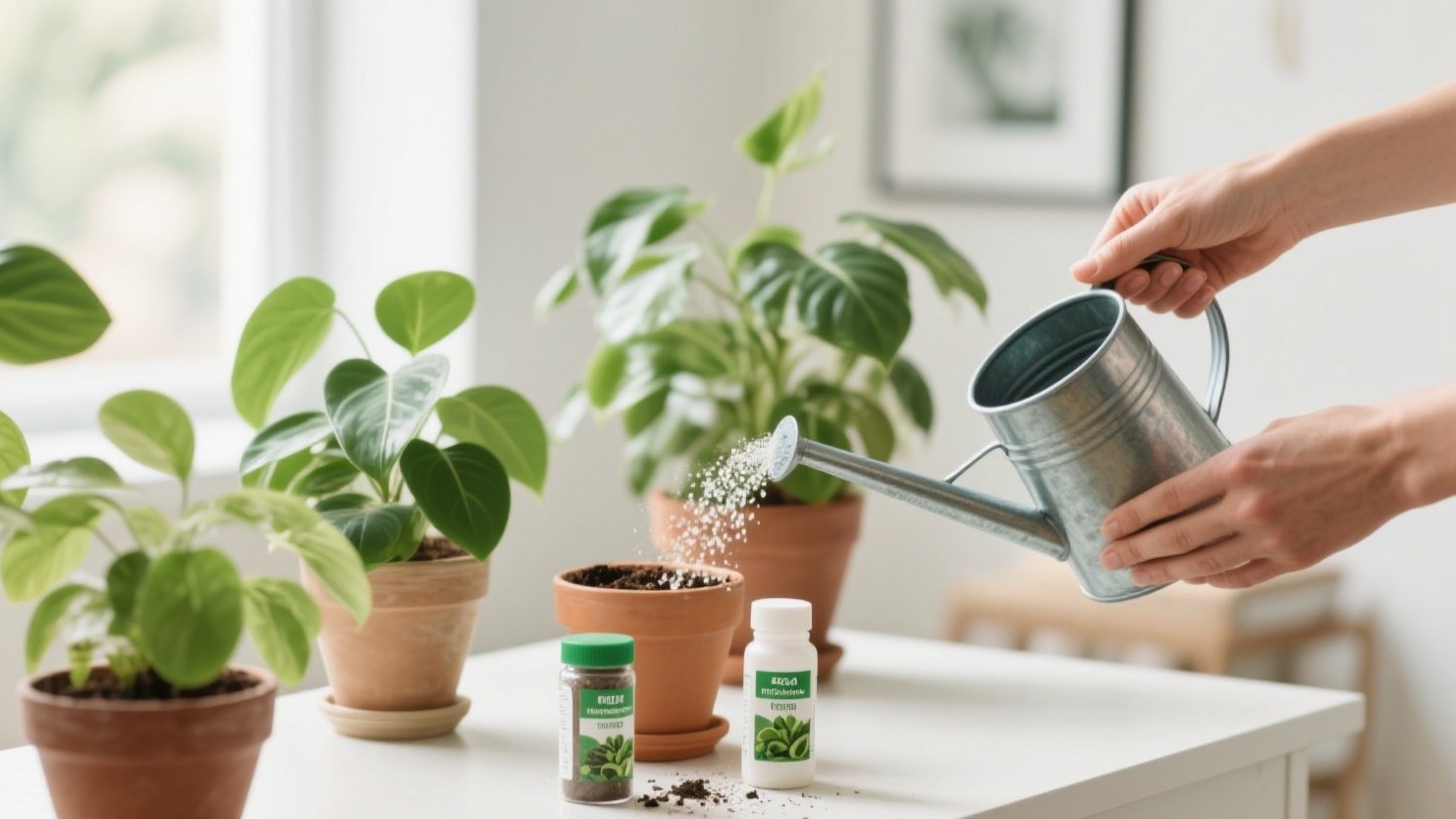
- Fertilizer: Use acid-loving plant food in early spring
- Bloom Boosting: Apply low-nitrogen fertilizer in fall for flower buds
- Organic Option: Cottonseed meal provides gentle, acidifying nutrients
5. Temperature and Protection
- Hardiness: Most varieties thrive in USDA zones 7-9
- Winter Protection: Cover with frost cloth when temperatures drop below 20°F
- Container Plants: Move to protected areas during hard freezes
6. Pruning for Shape and Health
- Pruning Time: Immediately after flowering ends
- Method: Light shaping only – remove dead or crossing branches
- Thinning: Open center slightly to improve air circulation
7. Encouraging More Blooms
- Bud Formation: Requires consistent summer moisture
- Bloom Timing: Different varieties bloom from fall through spring
- Deadheading: Remove spent flowers to encourage new growth
8. Common Problems and Solutions
- Yellow Leaves: Usually indicates iron deficiency – apply chelated iron
- Bud Drop: Caused by dry soil or temperature fluctuations
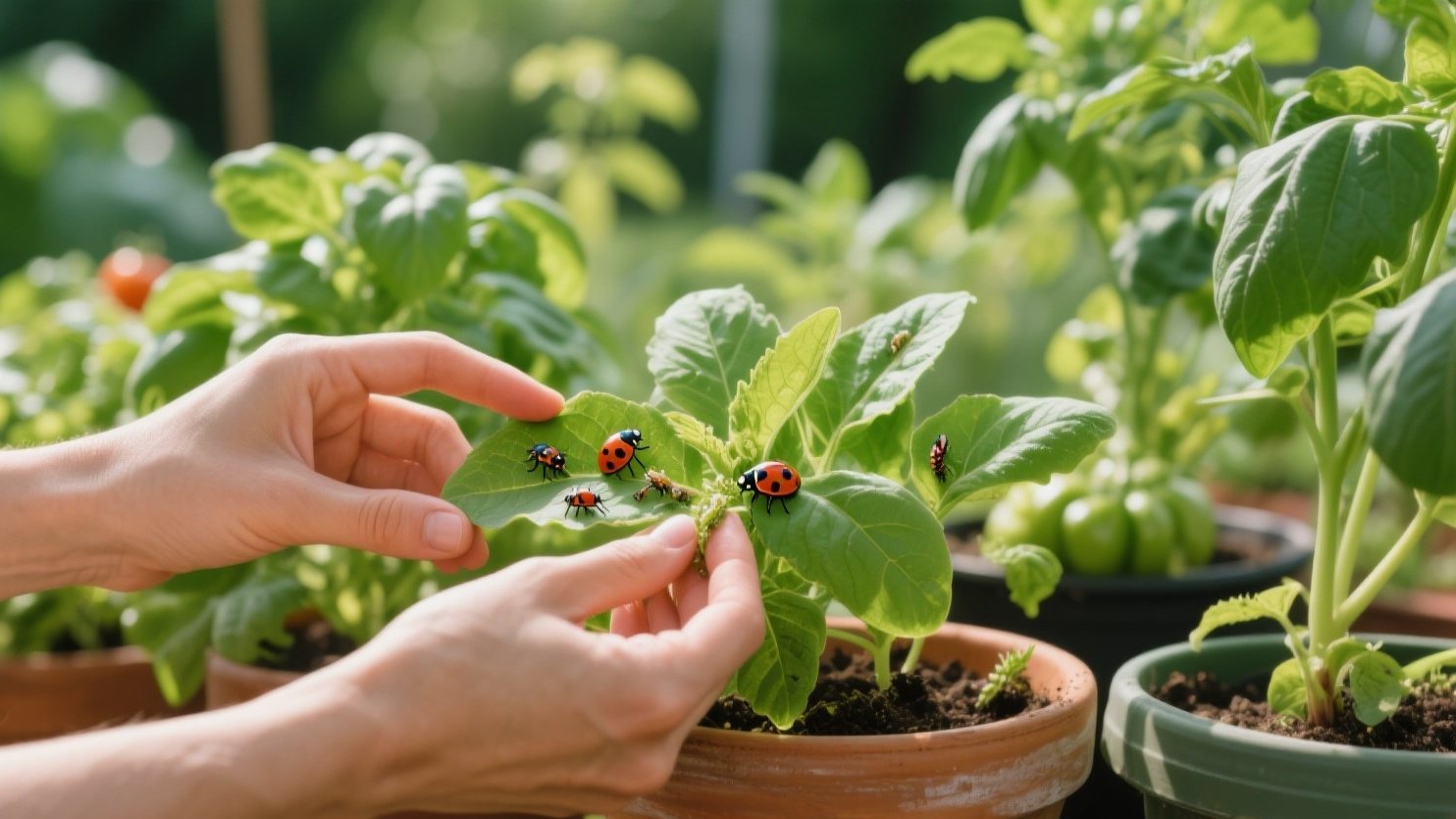
- Scale Insects: Treat with horticultural oil in early spring
Why Camellias are Garden Treasures:
- Winter Interest: Blooms during the coldest months
- Evergreen Foliage: Glossy leaves provide year-round beauty
- Long-Lived: Can thrive for decades with proper care
- Versatile: Suitable for containers, hedges, or specimen plants
Pro Tip: Plant camellias where you can enjoy their winter blooms from indoors. Near entryways or outside frequently used windows are ideal locations.
While camellias require specific growing conditions, their breathtaking winter blooms make them one of gardening’s most rewarding challenges. With proper siting and consistent care, your camellia will become a cherished feature in your garden for years to come.