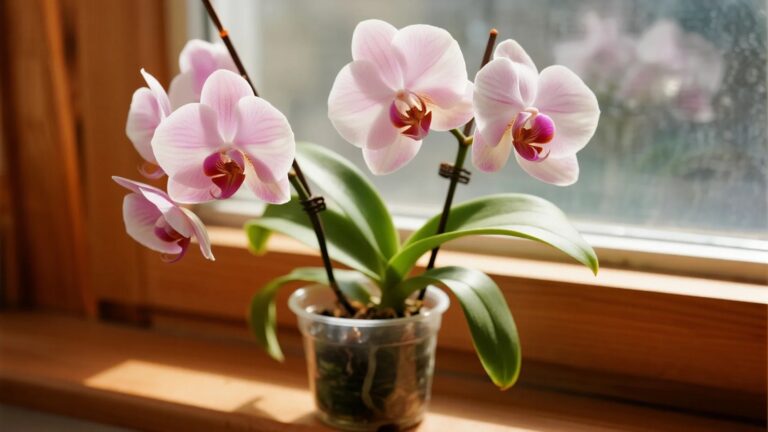
Orchids are among the most elegant and rewarding houseplants, known for their exquisite flowers that can last for months. While they have a reputation for being difficult, most orchids are quite resilient when you understand their specific needs. Here’s a practical guide to keeping your orchids thriving.
1. Light: Bright, Indirect Light is Key
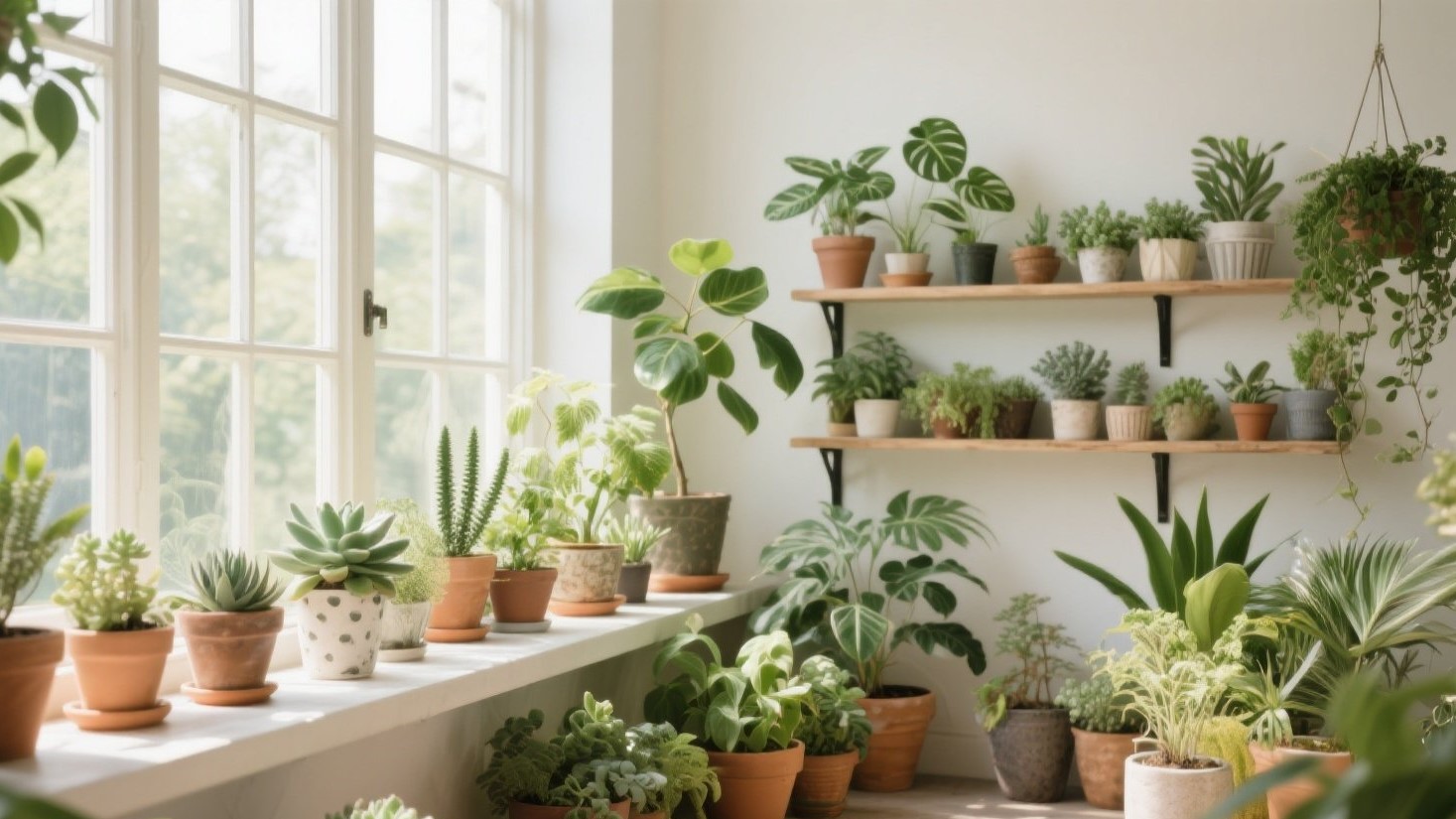
- Ideal Location: Place near an east-facing window with gentle morning light
- Alternative: A few feet back from a south or west window with sheer curtains
- Avoid: Direct afternoon sun that can scorch leaves
- Signs of Proper Light: Leaves should be bright green, not dark green (too little light) or reddish (too much light)
2. Watering: The “Ice Cube” Method and Beyond
- Simple Method: Place 2-3 ice cubes on the potting mix weekly for slow, controlled watering
- Traditional Method: Water thoroughly when the potting mix feels dry, then let excess water drain completely
- Water Quality: Use room-temperature water to avoid shocking the roots
3. Potting and Special Orchid Mix
- Potting Mix: Use a special orchid mix containing bark, perlite, and sphagnum moss
- Container: Clear plastic pots allow you to monitor root health and moisture levels
- Repotting: Repot every 1-2 years after flowering, when the potting mix breaks down
4. Temperature and Humidity
- Ideal Temperature: 65-75°F during the day, with a 10-15°F drop at night to encourage blooming
- Humidity: Maintain 40-60% humidity using a pebble tray or humidifier
- Air Circulation: Good airflow prevents disease but avoid direct drafts
5. Feeding for Beautiful Blooms
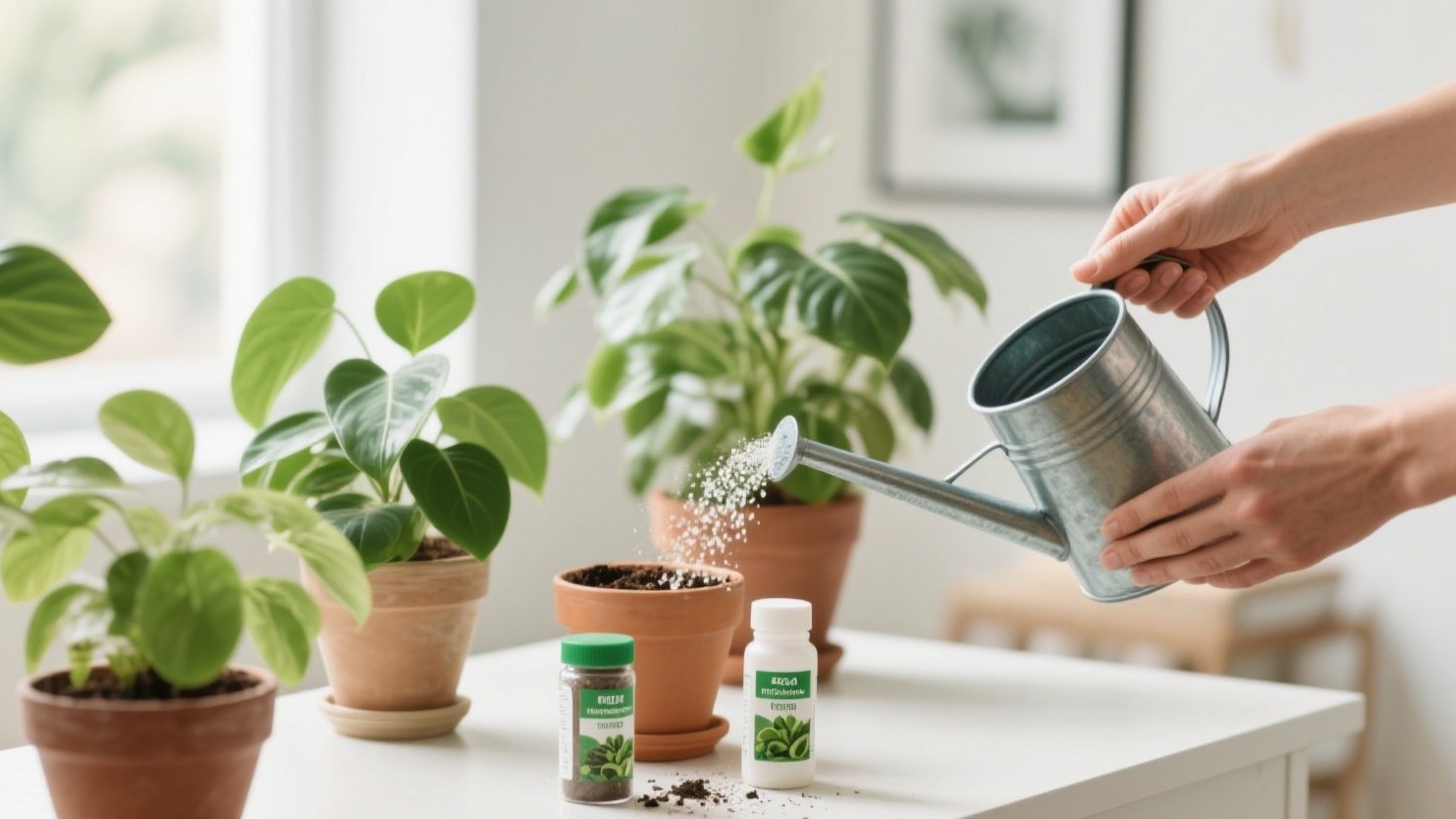
- Fertilizer: Use a balanced orchid fertilizer (20-20-20) monthly
- Method: Apply after watering to prevent root burn
- Dormant Period: Reduce feeding during winter months
6. Encouraging Reblooming
- After Flowers Fade: Cut the flower spike above a node if it’s still green
- Patience: It may take 6-9 months for a new flower spike to develop
- Light and Temperature: Consistent conditions encourage regular blooming
7. Common Issues and Solutions
- Root Rot: Caused by overwatering – ensure proper drainage
- No Flowers: Usually needs more light or temperature variation
- Yellow Leaves: Can indicate too much light or overwatering
- Pests: Watch for mealybugs; treat with insecticidal soap
Popular Orchid Types for Beginners:
- Phalaenopsis (Moth Orchid): Most common, easy to grow
- Dendrobium: Multiple flowering patterns
- Oncidium (Dancing Lady): Produces abundant small flowers
Why Orchids Make Great Houseplants:
- Long-Lasting Blooms: Flowers can remain beautiful for 2-3 months
- Air Purifying: Help remove indoor toxins
- Space Efficient: Perfect for small spaces
- Variety: Thousands of species and hybrids available
Pro Tip: Many orchids are epiphytes that naturally grow on trees in the wild. They prefer to be slightly root-bound and need air around their roots, which explains their unique potting requirements.
With consistent care and the right conditions, your orchid will reward you with spectacular blooms year after year. Remember that patience is key – these plants operate on their own schedule but are well worth the wait!