
🌱 Introduction: One Watering Routine Doesn’t Fit All Seasons
Every plant parent knows the satisfaction of watching leaves perk up after a good drink. But here’s the truth most forget: what keeps your plants thriving in July can quietly kill them in January.
Just like humans, plants change their habits with the seasons — they grow faster when it’s bright and warm, and rest when it’s cool and dim. Yet, many houseplant lovers continue watering on autopilot, following the same schedule year-round. The result? Root rot, yellow leaves, or even sudden death — especially during winter dormancy.
In this guide, we’ll explore how to adjust your watering routine through the seasons, understand your plants’ natural rhythms, and adopt science-backed methods to keep them hydrated without drowning them.
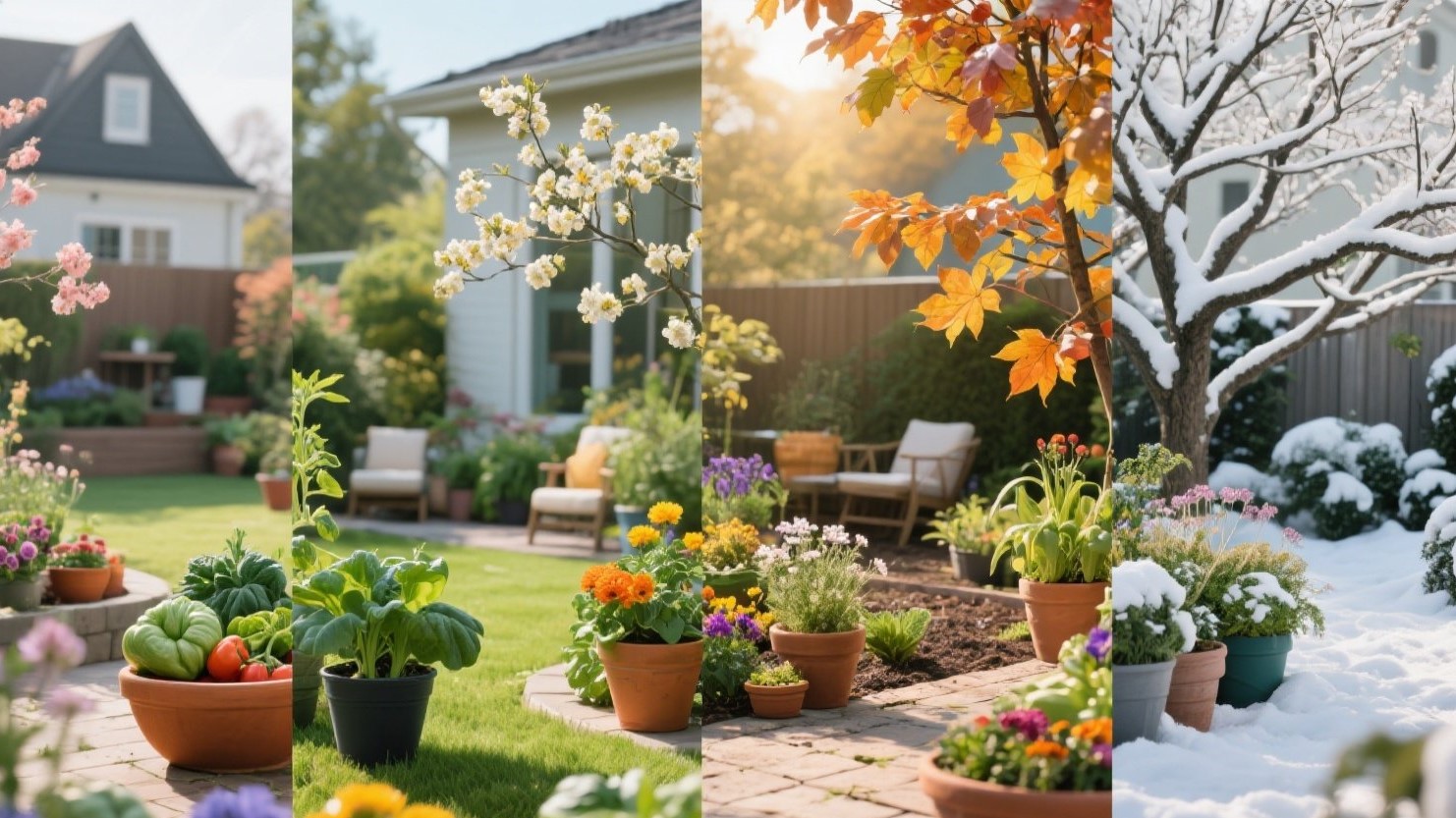
🌞 Summer: The Thirsty Season of Growth

Summer is when most houseplants are in their active growth phase. With more daylight and warmth, photosynthesis speeds up, and so does water use.
🌿 Why Plants Need More Water in Summer
- Higher temperatures cause water to evaporate faster from soil.
- Increased light exposure drives growth, so roots absorb more moisture.
- Air conditioning and fans can also dry the air, demanding more frequent hydration.
💧 How to Adjust Your Watering:
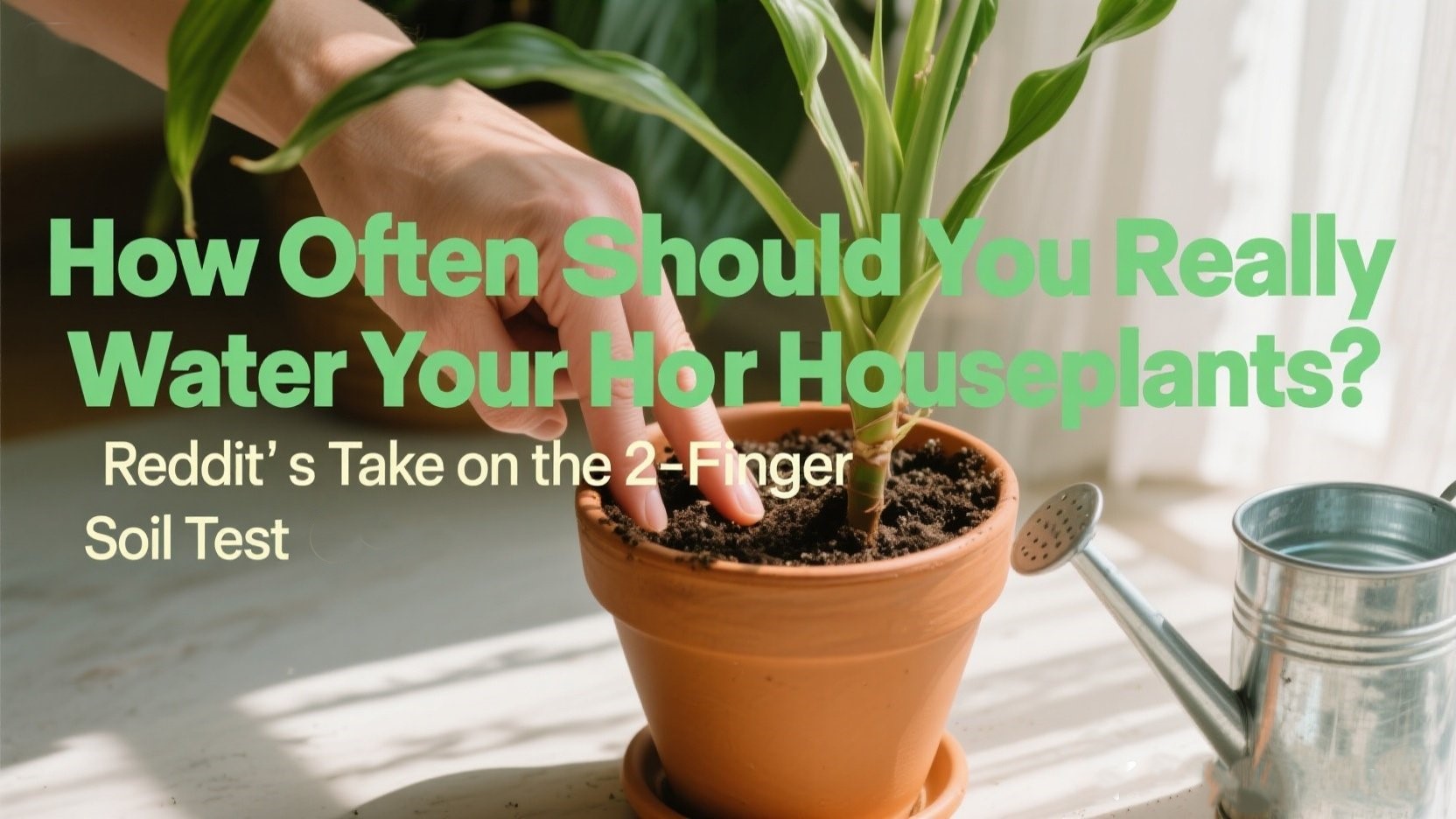
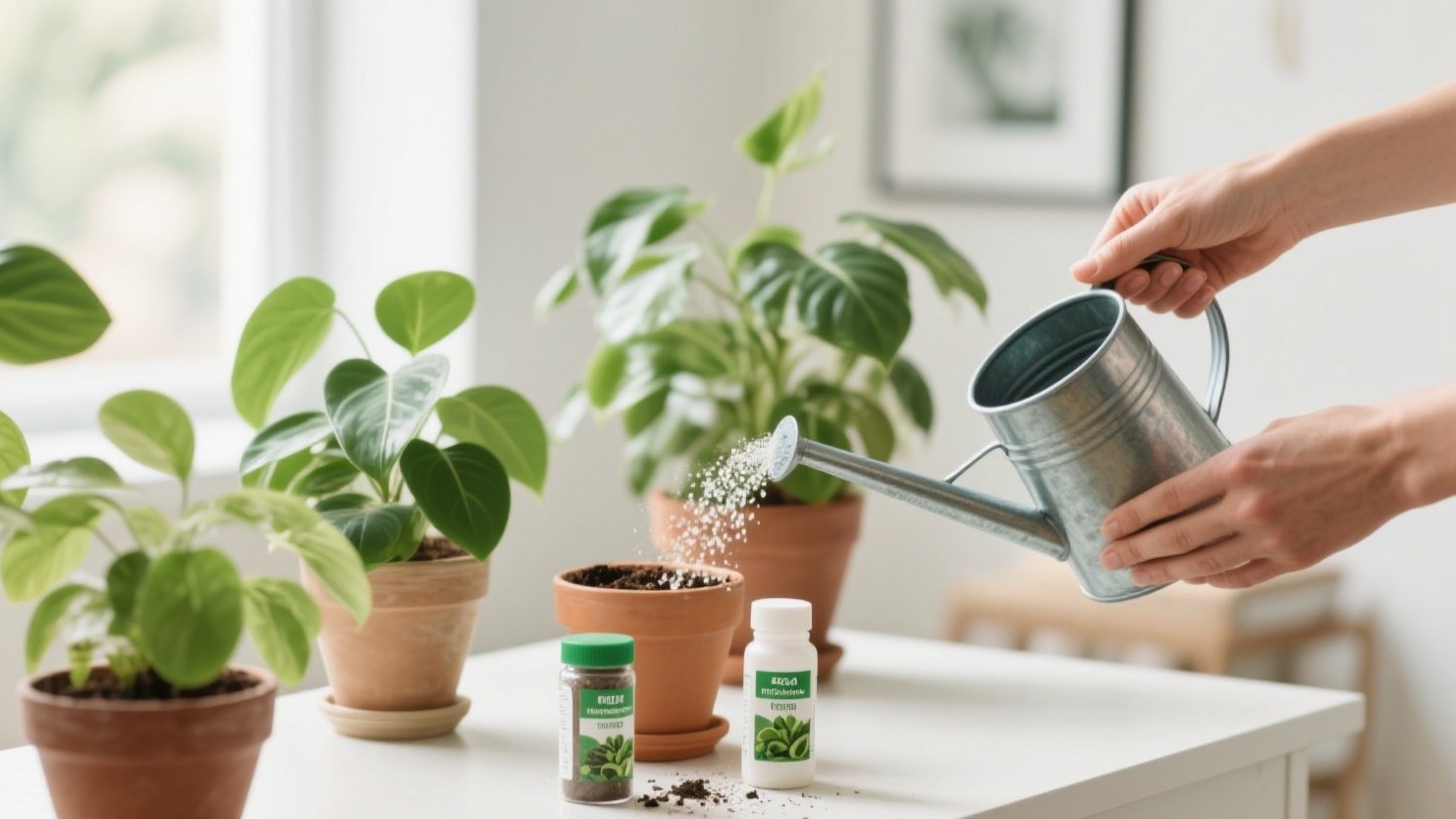
- Check soil moisture every 2–3 days. Use the 2-finger test — insert your finger about 2–4 cm into the soil. If it feels dry, water deeply until it drains from the bottom.
- Water early in the morning. This allows moisture to absorb before midday heat evaporates it.
- Mist or humidify carefully. While misting helps with humidity, direct water droplets on leaves under sunlight can cause burns.
- Feed lightly. Use diluted fertilizer during growth, but don’t overfeed — excess salts can dehydrate roots.
⚠️ Summer Warning Signs:
- Crispy leaf edges: Too little water or low humidity.
- Wilting midday (but recovering at night): Temporary heat stress, not necessarily thirst.
- Brown tips or leaf curl: May indicate salts building up from over-fertilization.
🍂 Autumn: Transition and Tapering Off

Autumn is the bridge season where plants prepare to rest. Growth slows as daylight shortens and temperatures drop, even if your indoor climate stays mild.
🌾 What Changes:
- Roots and leaves start conserving energy.
- Water uptake declines gradually.
- Evaporation slows — meaning soil stays moist for longer.
🍁 What to Do:
- Water less frequently but just as thoroughly. Always check the soil before watering — aim for slightly moist, never soggy.
- Reduce fertilizer use. Feeding during slowdown can stress the plant.
- Clean and inspect pots. This is a good time to remove mineral build-up or check for drainage issues before winter.
- Increase light exposure. Move plants closer to windows as natural light fades.
Autumn is your reminder to ease your plants into rest mode, not shock them with sudden neglect.
❄️ Winter: The Silent Season of Rest

Winter is when most plants “sleep.” Even evergreen houseplants experience a slower metabolism, using less water and nutrients. The same amount of water that sustained your plant in summer can now suffocate its roots.
🌬️ Why Overwatering Is Deadly in Winter:
- Cold air slows evaporation, meaning soil stays wet longer.
- Indoor heating lowers humidity, causing misleading dryness on the surface but soggy soil underneath.
- Dormant roots can’t absorb excess water, leading to root rot — the number one winter plant killer.
❄️ How to Adjust:
- Extend watering intervals. Instead of every 3–4 days, try every 10–14 days (depending on plant type).
- Always test before watering. Use the 2-finger test or moisture meter to check for dryness below the surface.
- Avoid cold tap water. Use room-temperature water to prevent shocking roots.
- Skip fertilizer. Plants aren’t actively growing, so feeding is unnecessary.
- Group plants together. This increases local humidity, helping reduce leaf dryness.
🚫 Common Winter Mistakes:
- Watering on schedule rather than condition.
- Placing plants near heaters or vents.
- Using decorative pots without drainage holes.
Remember: a dry plant can recover — a rotted one can’t.
🌸 Spring: Wake-Up Season

Spring marks renewal — new leaves, longer days, and increased energy. It’s the perfect time to reintroduce regular care after winter’s restraint.
🌼 Key Adjustments:
- Increase watering gradually. As plants wake up, check soil moisture more often.
- Refresh the soil surface. Gently aerate or replace the top 2 cm of soil to restore nutrients and improve airflow.
- Repot if needed. Fast-growing plants benefit from a size-up in early spring.
- Restart fertilizing. Begin with diluted formulas to avoid shocking tender new roots.
🌤️ Plant Signs to Watch:
- New leaves or buds → slightly more water and light needed.
- Stagnant growth → may still be adjusting; don’t overwater to “force” recovery.
Spring is about relearning your plant’s rhythm — ease in, observe, and adjust.
🌿 The Science Behind Seasonal Watering
The need for seasonal adjustment comes down to plant physiology.
- Transpiration (water loss through leaves) slows in cooler months.
- Root uptake decreases when soil temperature drops below ~18 °C.
- Photosynthesis depends on light availability — less light means less energy and, therefore, less water needed.
Ignoring these natural cues is like overfeeding a sleeping person — well-intentioned, but harmful.
🌱 Quick Reference: Seasonal Watering Guide
| Season | Frequency | Best Practice | Common Mistake |
|---|---|---|---|
| Spring | Moderate | Gradually increase as growth resumes | Overwatering too soon |
| Summer | High | Deep watering, morning schedule | Letting soil completely dry out |
| Autumn | Low | Space out watering, reduce feeding | Sudden drop-off in care |
| Winter | Minimal | Only when soil is dry deep down | Watering out of routine |
🌼 Final Thoughts: Listen Before You Pour
Watering isn’t about routine — it’s about relationship. Your plant’s needs shift with light, temperature, and humidity. The most seasoned gardeners don’t water on a calendar — they water by observation.
So this season, pause before you pour. Feel the soil, check the leaves, and watch how your plants respond. Adjusting your watering routine through the year isn’t just good maintenance — it’s how you build a living connection with your indoor garden. 🌿💧