🌱 Introduction: The Struggle of Keeping Plants Alive While You’re Away
Every plant parent has faced this dilemma — you’re heading out of town or just too busy for daily watering, and suddenly you realize your plants are one dry day away from disaster. But here’s the good news: you don’t need an expensive irrigation setup to keep your plants thriving.
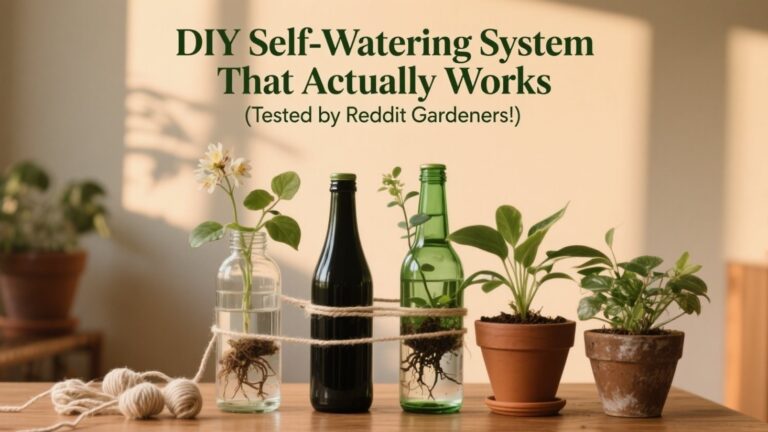
According to seasoned gardeners on Reddit’s r/houseplants and r/gardening communities, a simple DIY self-watering system can keep soil perfectly moist for days — even weeks — without constant attention. And unlike many “quick fix” hacks circulating online, this one is tested, effective, and rooted in basic plant science.
In this guide, we’ll walk through the step-by-step process of building your own self-watering setup, using common household materials, and share real-world feedback from gardeners who’ve tried and perfected these systems themselves.
💧 Why Self-Watering Systems Work
Before building one, it’s important to understand how self-watering systems function.
At the core is capillary action — the same natural process that allows roots to absorb water from soil. A self-watering setup uses this principle to deliver consistent moisture directly to the roots, preventing the two biggest killers of houseplants:
- Overwatering (causing root rot), and
- Underwatering (causing dehydration).
Instead of flooding or drying out your soil, water is slowly wicked from a reservoir, keeping it consistently damp — not soaked.
🧺 What You’ll Need

You can create a reliable self-watering system using materials you likely already have at home:
🪴 For the Wick Bottle System:
- 1 clean plastic bottle (500 mL to 2 L, depending on pot size)
- Cotton string, yarn, or a shoelace (acts as a wick)
- Scissors or a utility knife
- A small nail or screwdriver for making holes
- Water and your potted plant
🌿 Optional Materials:
- Activated charcoal (to reduce algae or bacteria buildup)
- Mesh or coffee filter (to prevent soil from clogging wick holes)
- Decorative pot covers for a tidy finish
🧩 Step-by-Step: Building Your DIY Self-Watering System

Step 1: Prepare the Bottle
Cut the bottle in half horizontally. The top half will hold the soil and plant, and the bottom half will serve as your water reservoir.
Flip the top half upside down so it fits neatly into the bottom half like a funnel.
Step 2: Add the Wick
Thread your cotton string or shoelace through the bottle cap, leaving a few inches hanging below (into the reservoir) and a few above (into the soil).
- The wick should be snug enough to stay in place but not block water flow.
- This will allow the soil to draw moisture up gradually.
If your bottle cap can’t be removed, make a small hole in the bottom of the top half and thread the wick through there.
Step 3: Add Soil and Plant
Fill the top half with moist soil — not dry. Position the wick so it runs deep into the root zone.
Place your plant into the soil, ensuring the wick stays in contact with the roots.
Step 4: Fill the Reservoir
Add clean water into the bottom half of the bottle. The wick should dangle into it but not be submerged more than halfway.
You can also mix in a few drops of liquid fertilizer if desired.
Step 5: Assemble and Test
Place the top half back into the bottom half.
Wait about an hour and check if the soil surface feels slightly damp — that’s a good sign your wick system is working.
If the soil stays completely dry, double-check that your wick is fully soaked and in contact with both the water and soil.
🌤️ How Long It Lasts
Reddit users report that this simple self-watering system can keep small plants hydrated for 3–7 days, and larger ones (with 2L bottles) for up to two weeks, depending on:
- Room temperature
- Plant size
- Type of soil (loam retains moisture better than sand-heavy mixes)
For longer-term use, clean the bottle and wick every few weeks to prevent algae buildup.
🧪 Reddit-Tested Variations That Actually Work

Experienced gardeners have refined the basic design in creative ways:
🧴 1. Wick Insert for Large Pots
Run a thick cotton rope through the drainage hole of a large pot, placing the other end in a nearby water jug. Perfect for tropical plants like monstera or calathea.
🍶 2. Ceramic Cone Waterers
Some Redditors combine DIY and store-bought solutions — attaching wicks to ceramic cones that regulate water flow more evenly.
🪟 3. Inverted Bottle Method
Fill a bottle with water, quickly flip it upside down, and push its neck slightly into the soil. The water seeps out gradually as the soil dries — ideal for succulents or outdoor containers.
🧵 4. String-to-Jar Setup
Place a water jar beside your pot, and run a cotton string from the jar into the soil. This low-effort setup works surprisingly well for smaller houseplants.
⚠️ Common Mistakes to Avoid
Even tested systems can fail if not maintained properly. Here’s what to watch out for:
🚫 Using synthetic string or plastic rope: They don’t absorb water, so always use cotton, jute, or natural fibers.
🚫 Letting the wick dry out: Once dry, wicks lose their capillary pull. Always soak them before reinstalling.
🚫 Skipping drainage holes: Even with self-watering, proper drainage prevents stagnant water and root rot.
🚫 Leaving water stagnant for weeks: Refill and clean every 7–10 days to prevent bacterial growth.
🌿 Why This Method Is Trusted
The DIY wick system is based on the same principle used in professional self-watering planters like Lechuza or EarthBox systems. The difference is cost — your homemade setup can be built for under $5, using recycled materials.
Reddit gardeners report consistent success across houseplants, herbs, and even balcony gardens. The key lies in trial, observation, and tweaking — once you find the right wick material and length, it’s nearly foolproof.
🌸 Final Thoughts: Smart Gardening Is About Balance
The beauty of DIY plant care lies in understanding nature’s simple mechanics. A well-built self-watering system isn’t just a convenience — it’s a way to learn how plants interact with moisture and environment.
When you create one yourself, you’re not just saving water or time — you’re participating in your plant’s natural rhythm of hydration. So the next time you travel or forget to water for a few days, rest easy. Your clever DIY system has your plants covered. 🌿💧