Tips from Expert Gardener Ichimoku on How to Keep Your Succulents Thriving
Succulents are low-maintenance and endlessly charming—but they’re not indestructible. In this guide, gardener Ichimoku shares essential care tips that every beginner should know to grow strong, colorful, and healthy succulents at home.
1. Light Requirements ☀️
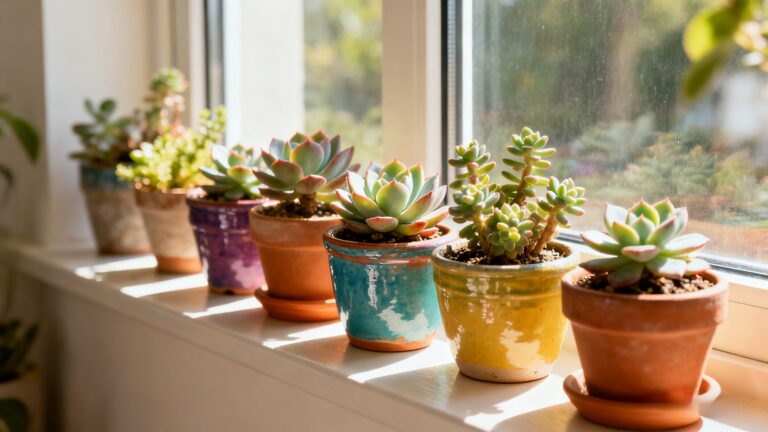
Succulents love sunlight—over 90% of them need bright, direct sun to stay healthy and vibrant.
- Without enough light, you’ll notice fading colors (for example, red-tinted leaves may turn plain green) and leggy growth, where the plant stretches tall and thin with wide gaps between leaves.
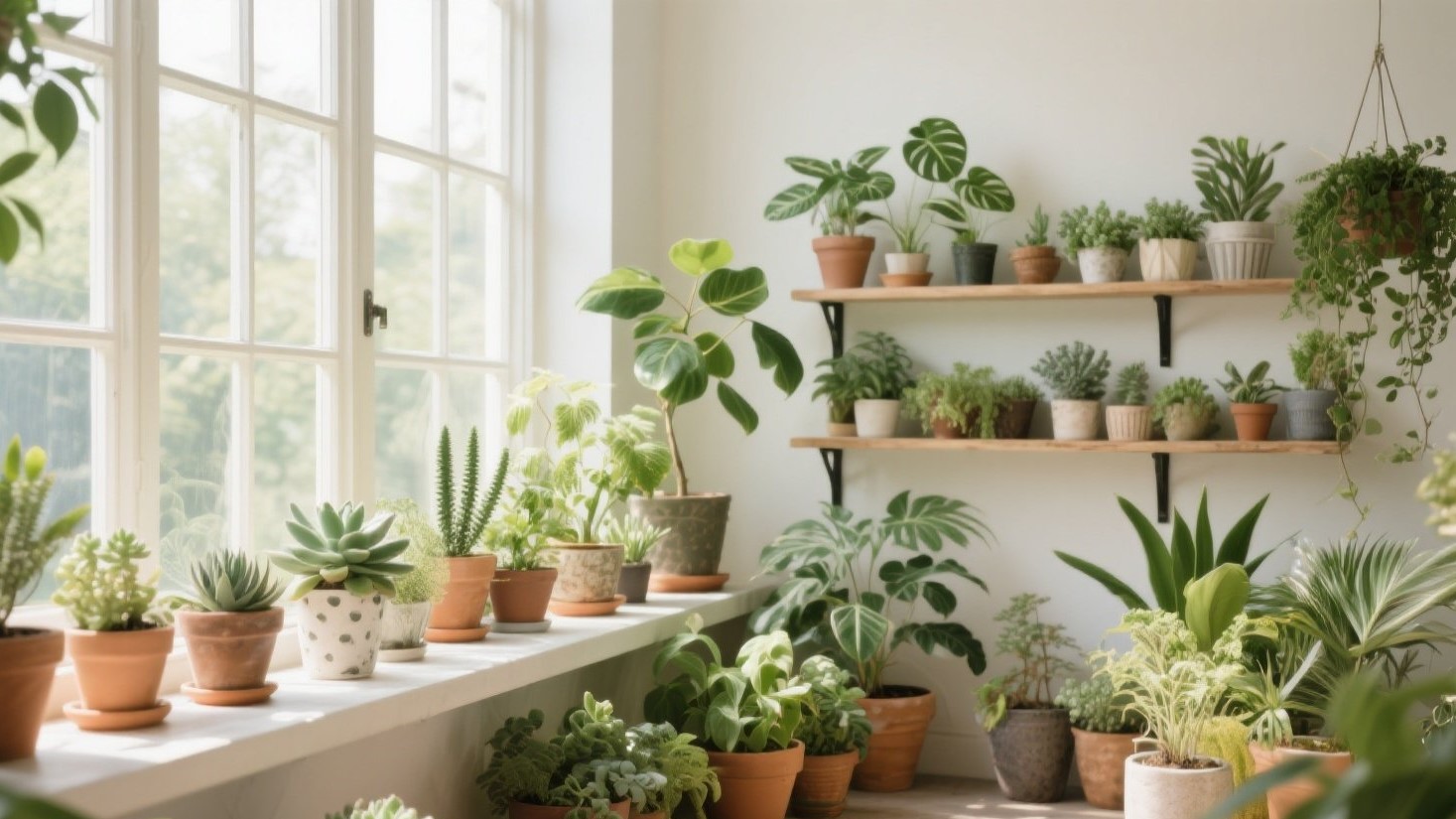
- The best place to grow your succulents is a south-facing window or balcony, where they can enjoy full sunlight year-round.
- During peak summer (over 95°F / 35°C), give them a bit of shade if needed, but don’t panic over a few sunspots—they rarely harm the plant.
2. Potting Steps: “Trim, Clean, Dry, Pot, and Control”
When you bring home a new succulent—especially a bare-root one from online shops—follow these five steps before potting:
- Trim – Cut off old, damaged, or blackened roots to encourage new root growth.
- Clean – Remove dried or yellowing leaves at the base to prevent disease.
- Dry – Let the plant air-dry in a ventilated, shaded area for at least 6 hours to heal any wounds.
- Pot – Use slightly moist soil when potting, but don’t water right away.
- Control – Wait until the soil is completely dry before watering lightly, then gradually increase watering over time.
3. Watering Rules 💧
If succulents die, it’s almost always from overwatering. Remember this golden rule: less is more.
- Succulent leaves store plenty of water—they come from dry, arid regions and are naturally drought-tolerant.
- Always check the soil before watering. If it feels moist, wait. Only water again when it’s completely dry.
- In summer, most succulents enter dormancy, so water sparingly—preferably in the evening when the temperature drops.
4. Best Soil Mix
Succulents need loose, well-draining soil—think airy, gritty, and quick to dry.
Use soil that contains perlite, pumice, or zeolite, and avoid sticky or clay-heavy mixes that retain too much water. Good drainage keeps the roots healthy and prevents rot.
5. Repotting Guidelines
Don’t repot too often. Succulents prefer stability.
- When you do repot, choose a pot just one size larger than the old one. Too much extra soil can trap moisture and cause rot.
- Stick with the same type of soil mix as before to help your plant adjust easily.
- Reuse the “Trim, Clean, Dry, Pot, Control” method for best results.
6. Fertilizing Tips 🌱
In nature, succulents grow in poor, rocky soil, so they really don’t need much fertilizer.
- Beginners can skip fertilizing altogether. Too much fertilizer can cause weak, leggy growth or even burn the roots.
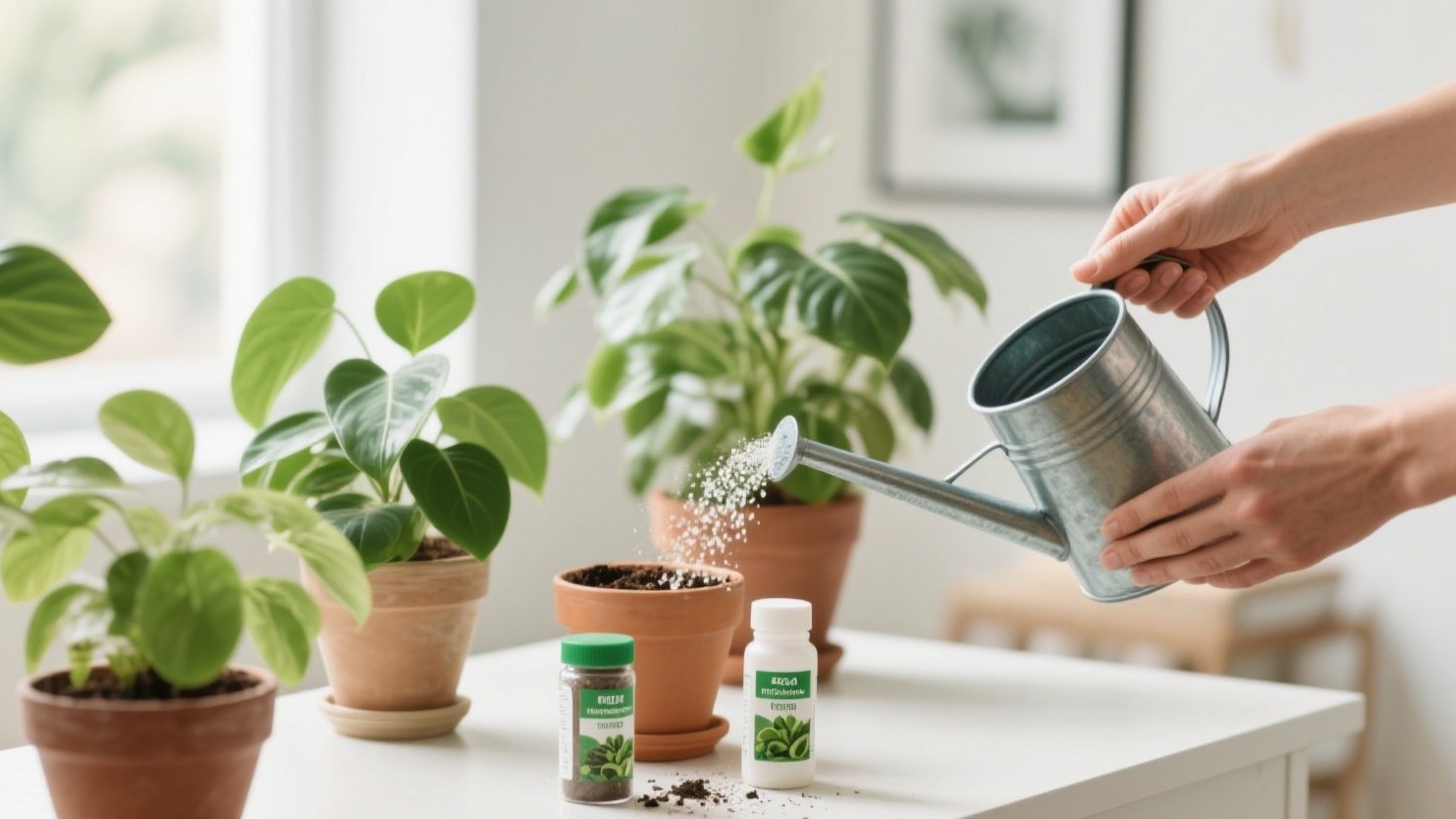
- If you want to boost growth, use a slow-release succulent fertilizer just twice a year—once in spring and once in fall.
7. Winter Care ❄️
Succulents can handle a little chill, but not freezing cold.
- In warmer areas (above 50°F / 10°C), they can stay outside through winter.
- In colder regions, bring them indoors once temperatures drop below 50°F. Keep them in a bright spot with good airflow.
8. Pruning and Cleaning
Regular maintenance keeps your succulents looking their best:
- Remove wilted or blackened leaves to prevent fungus and improve airflow.
- Once your succulent blooms, cut off the flower stalk—it uses up a lot of energy and slows down new growth.
9. Propagation: Growing New Succulents from Leaves 🌿
Yes—you can grow new succulents from a single leaf!
How to do it:
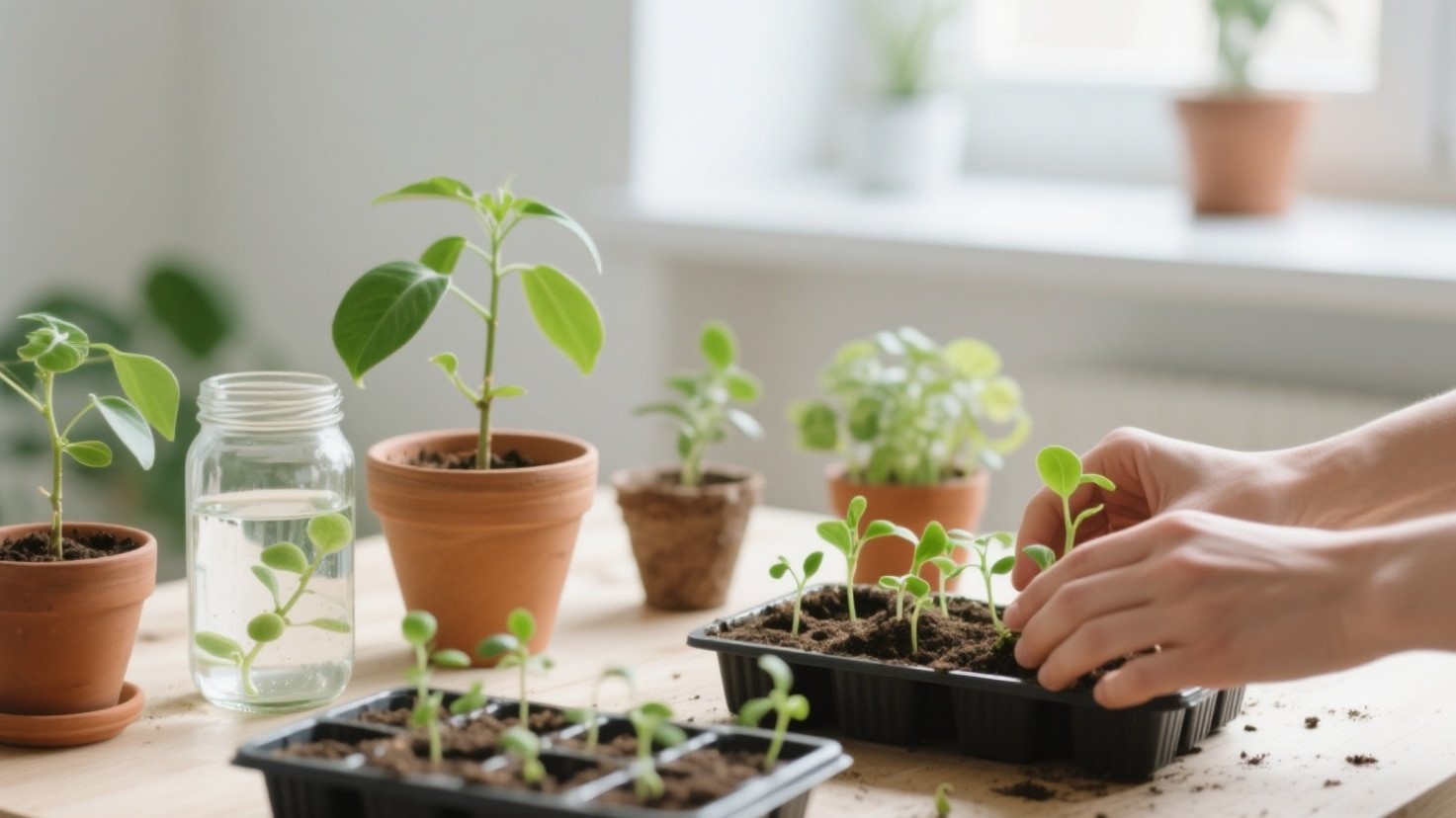
- Gently remove a leaf by twisting it from the stem—make sure it comes off cleanly and completely.
- Place it on fresh, airy soil (not in the soil). Keep it in a bright spot with indirect sunlight.
- Water lightly—keep the soil slightly moist, but never soaked. A small misting around the leaf works best.
Soon, you’ll notice tiny roots and baby plants sprouting—your new succulent generation has begun!
🌿 Final Thoughts
Caring for succulents isn’t about strict rules—it’s about understanding their desert nature: sun-loving, drought-tolerant, and minimalist. Once you get the rhythm of light, water, and airflow, these tiny green gems will reward you with beautiful colors and years of effortless beauty.