Introduction: Why Plants Make the Perfect Spring Focal Point 🌱✨
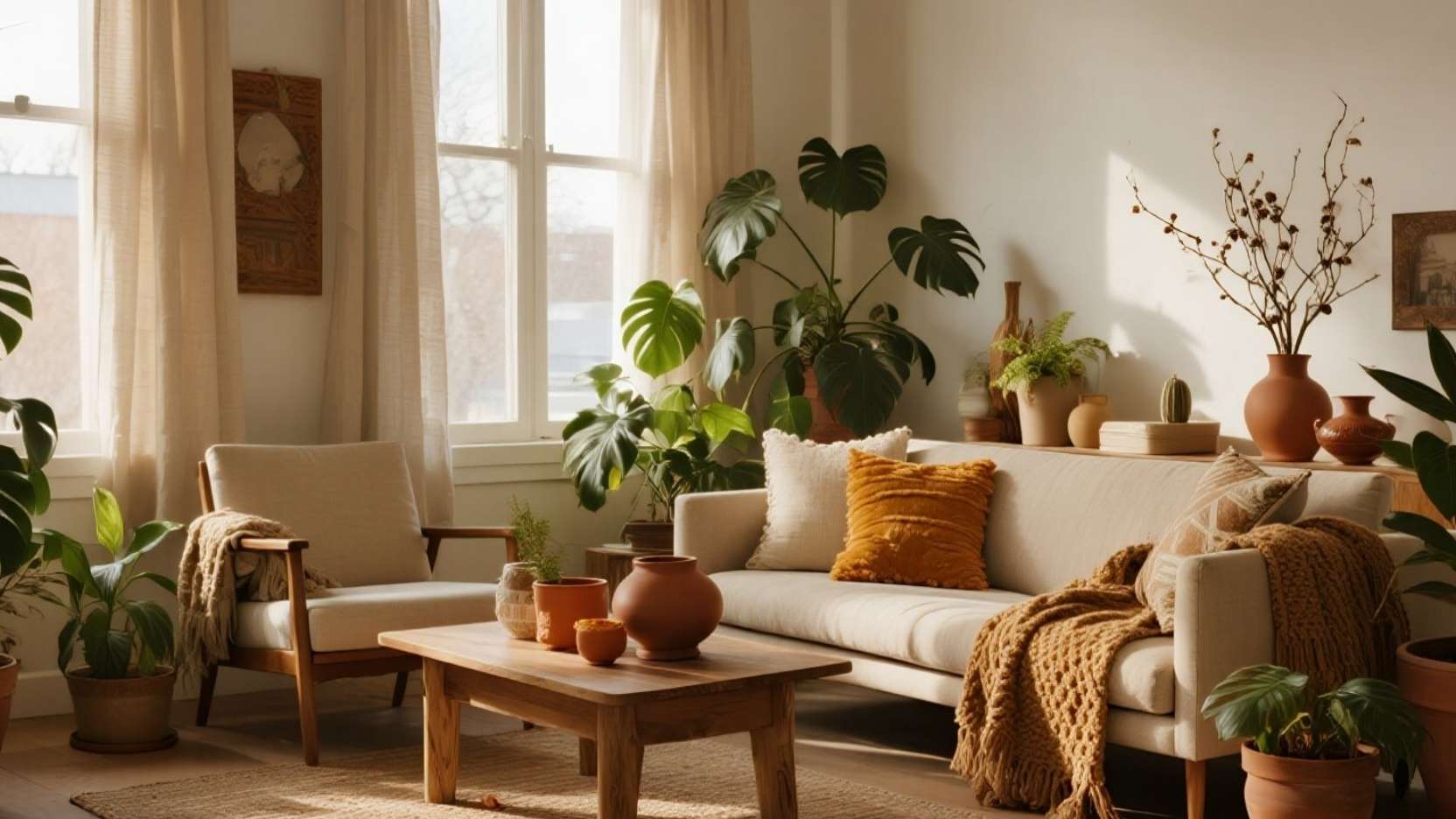
Plants pull the eye the way a good headline does: clean, living structure against warm materials. In spring, brighter days and longer light windows make plants pop without heavy décor. Framing a fireplace or big window with greenery creates a focal point that feels fresh, calm, and seasonally on-theme. 🌞
This guide gives you a repeatable recipe: one tall structural plant, one trailing plant, and one tabletop cluster. Then it shows how pot textures—unglazed terracotta vs. speckled ceramic—play off stone and wood. Finally, you’ll get an easy watering and light routine that fits brighter spring days. 🌿
Read the Room: Architecture, Sightlines, and Heat Zones 🧭
Start by mapping sightlines from entry, sofa, and dining table, noting where the eye naturally rests. Identify heat zones near the firebox and draft zones by windows to keep plants safe and happy. Mark the “visual anchor” point where your tallest plant will live without blocking TV or window views. 👀
For picture windows, measure sill height and frame depth to prevent pot silhouettes cutting across key views. For fireplaces, keep 12–18 inches of clearance from the firebox to avoid heat stress. If you use the fireplace often, shift more heat-sensitive plants outward and keep hardy or heat-tolerant choices closest. 🔥
The Trio Composition: Tall + Trailing + Tabletop 🌿⬇️🪴
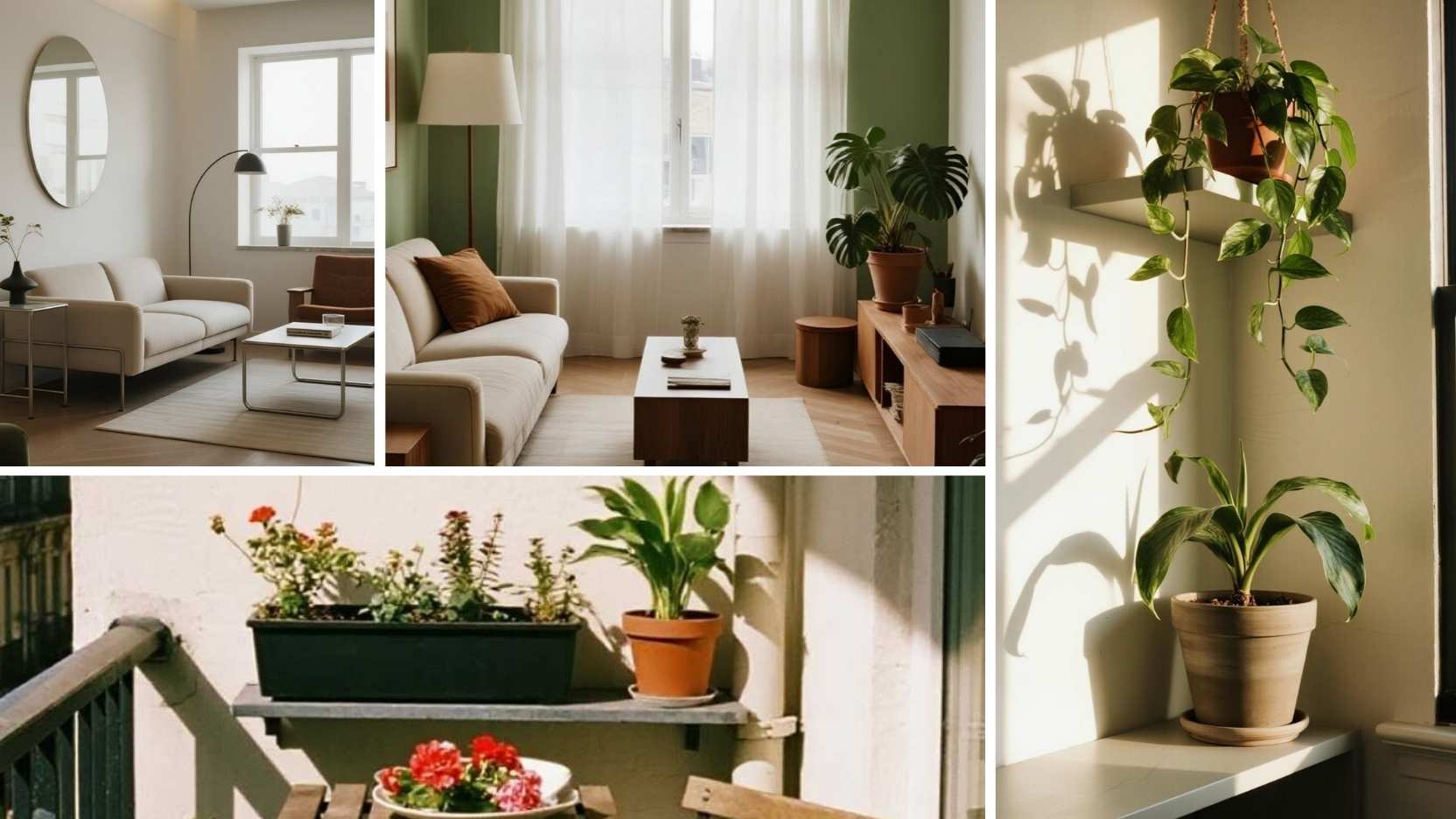
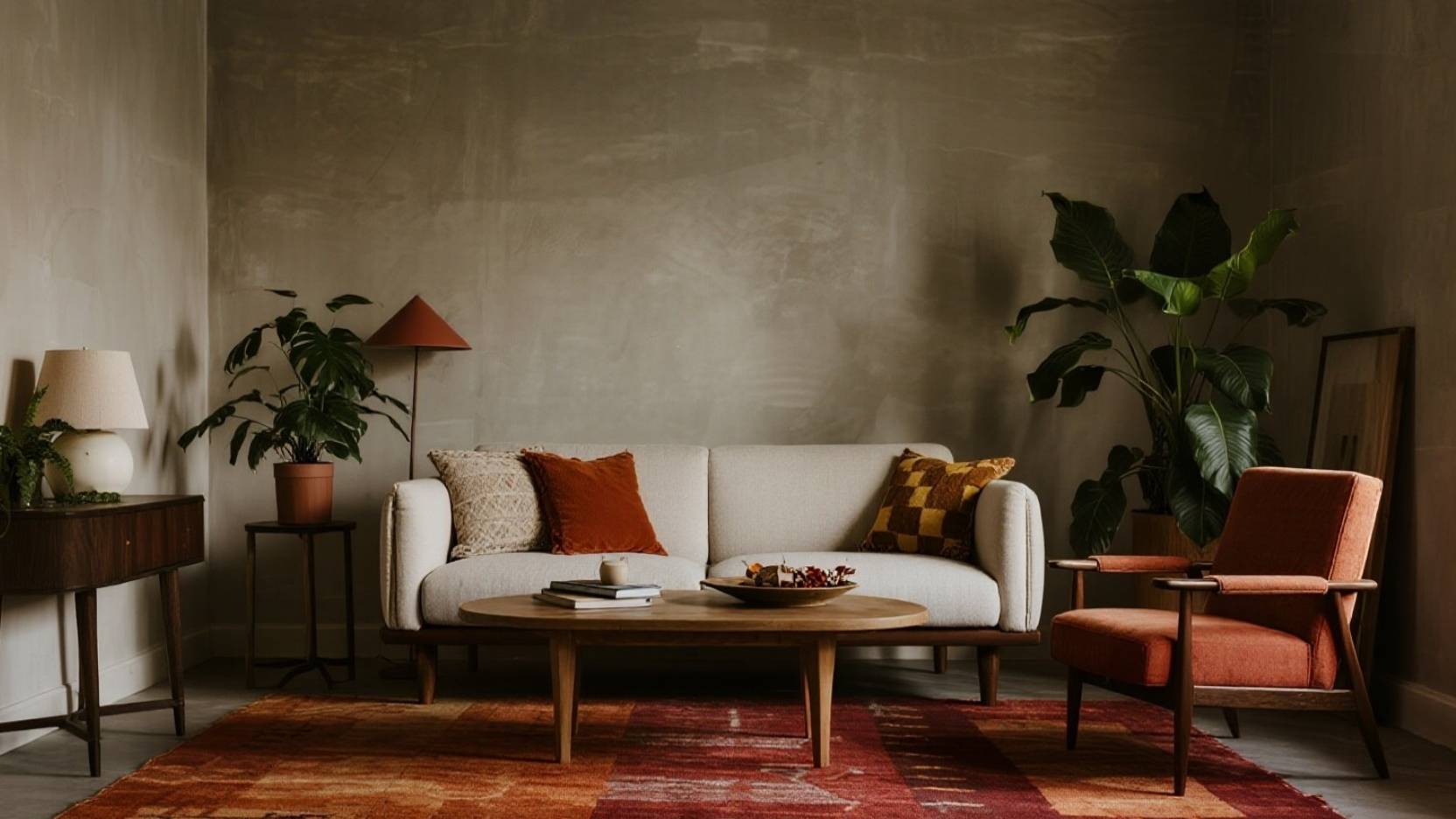
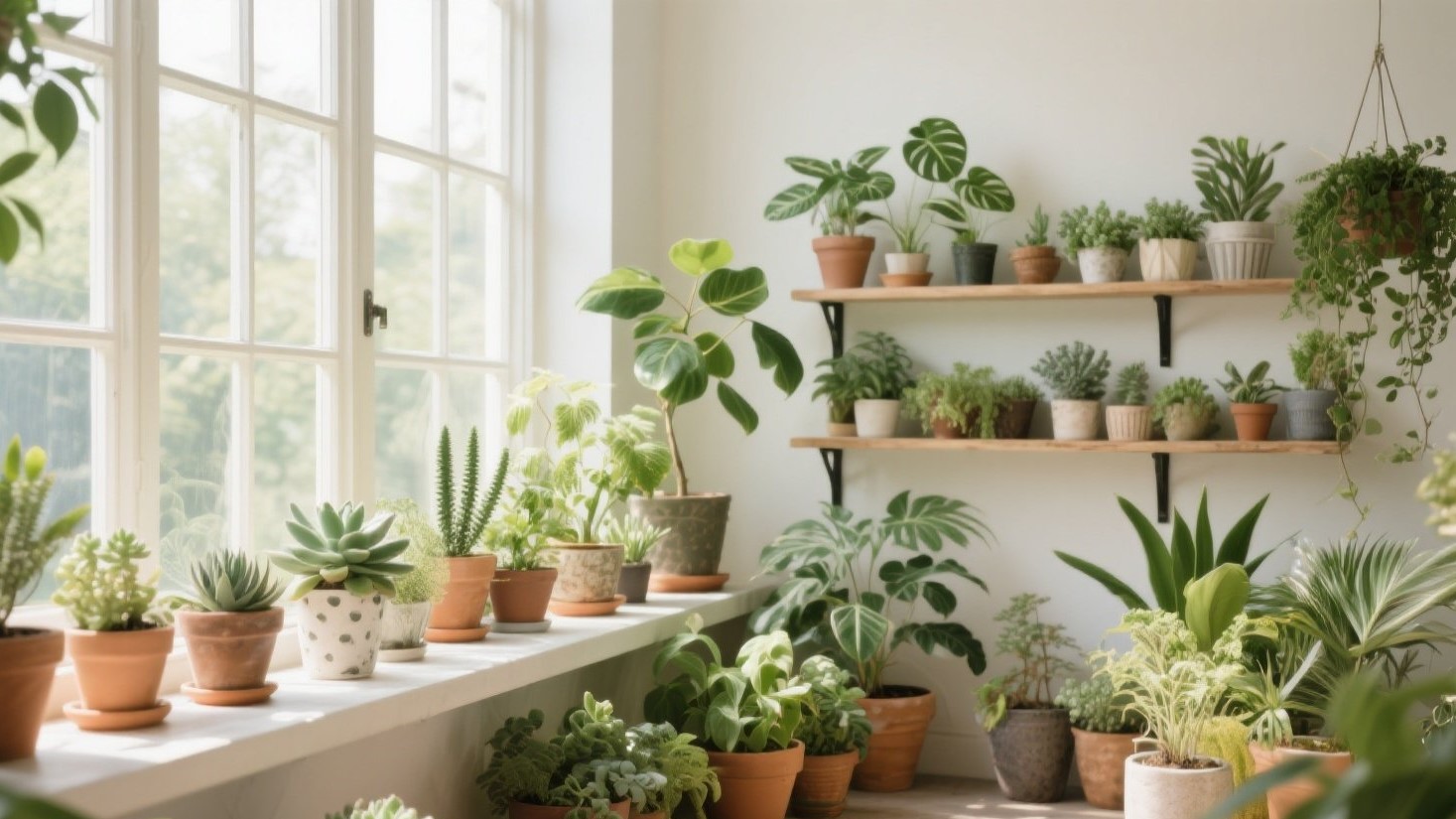
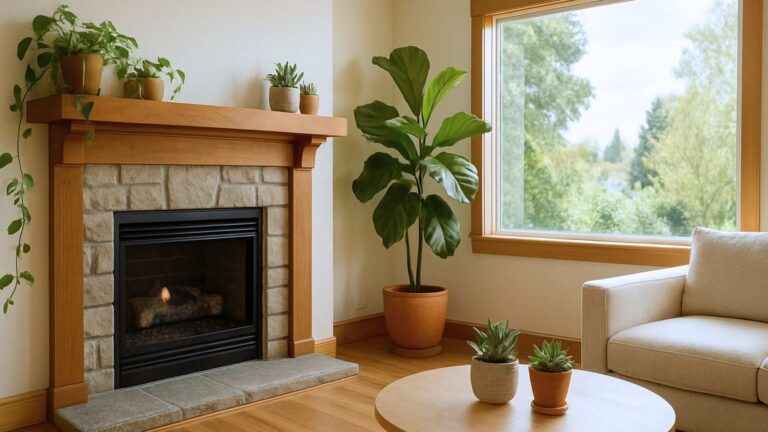
Choose one tall structural plant to act like a column: fiddle-leaf fig, olive tree, rubber plant, or a tall snake plant. Add a trailing plant to “soften” edges and lead the eye: golden pothos, heartleaf philodendron, or string of pearls. Finish with a tabletop cluster of three small, varied forms—succulent rosette, fern fronds, and a compact peperomia. 🌱
Keep a 2:1:1 scale: the tall plant about twice the visual height of the trailing and cluster zones combined. Offset left or right of center to create a modern asymmetry that still feels anchored. Repeat one color or texture across the trio to visually glue the grouping together. 🧩
Pot Textures & Finishes: Terracotta vs. Speckled Ceramic 🏺

Unglazed terracotta breathes, wicks moisture, and leans warm; it sings against cool stone surrounds and aged brick. Speckled ceramic is smoother, holds moisture longer, and gives a clean gallery vibe next to blond woods. In PNW homes with mixed stone and timber, pairing the two adds depth without clutter. 🤎🤍
Use terracotta for thirsty, fast-drying setups or plants you tend to overwater. Use glazed or speckled ceramic for moisture-loving plants or low-maintenance schedules. Match saucers to avoid rings and echo tones from mantel wood or window trim for a cohesive palette. 🎨
Layout Recipes: Craftsman Fireplace vs. Big Picture Window 📐

Craftsman fireplace recipe: place the tall plant on the hearth’s “cool” side, trailing plant on the mantel corner, tabletop cluster on the coffee or side table. Keep foliage edges within the mantel width to respect architectural lines. Repeat a pot tone from the stone to make the trio feel built-in. 🧱
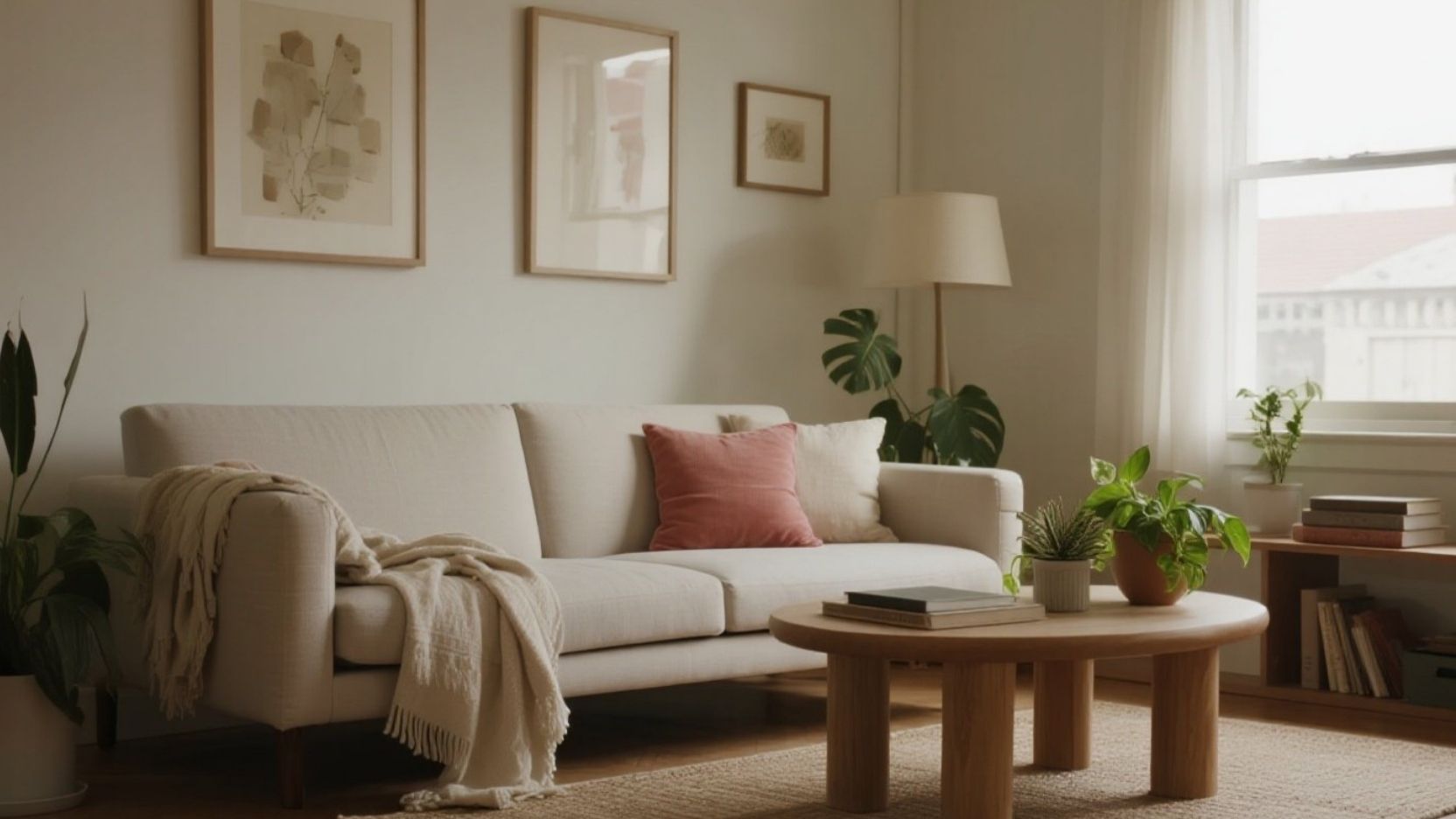
Picture window recipe: put the tall plant to one jamb side to frame, not block, the view; hang or shelf the trailing plant high to trace the light path; set the tabletop cluster near seating to draw focus inward. Leave low, clear sightlines across the glass to preserve outdoor vistas. Use a narrow, tall pot for the structural plant to save floor space. 🌤️
Watering & Light Routine for Brighter Spring Days 💧☀️

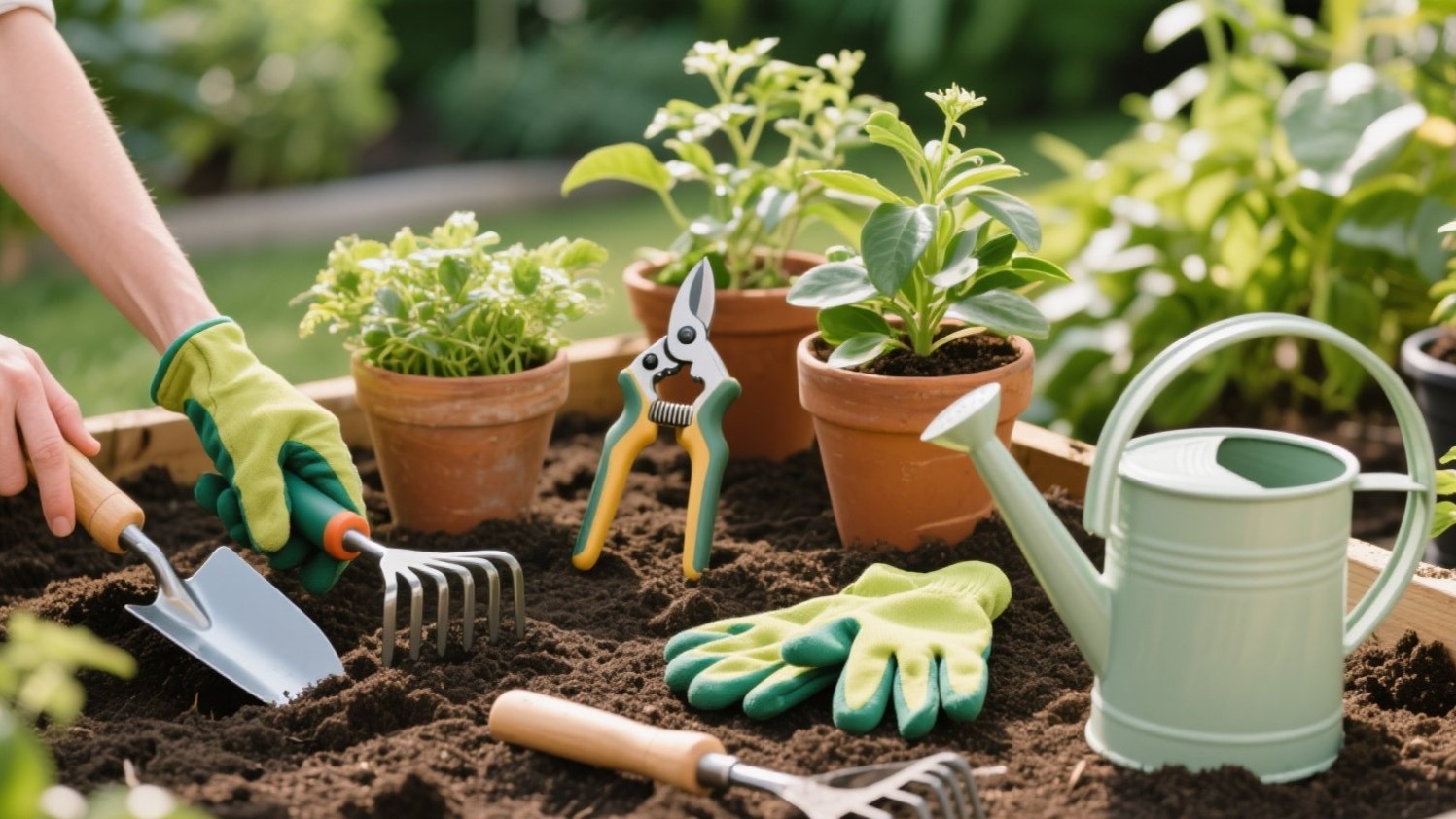
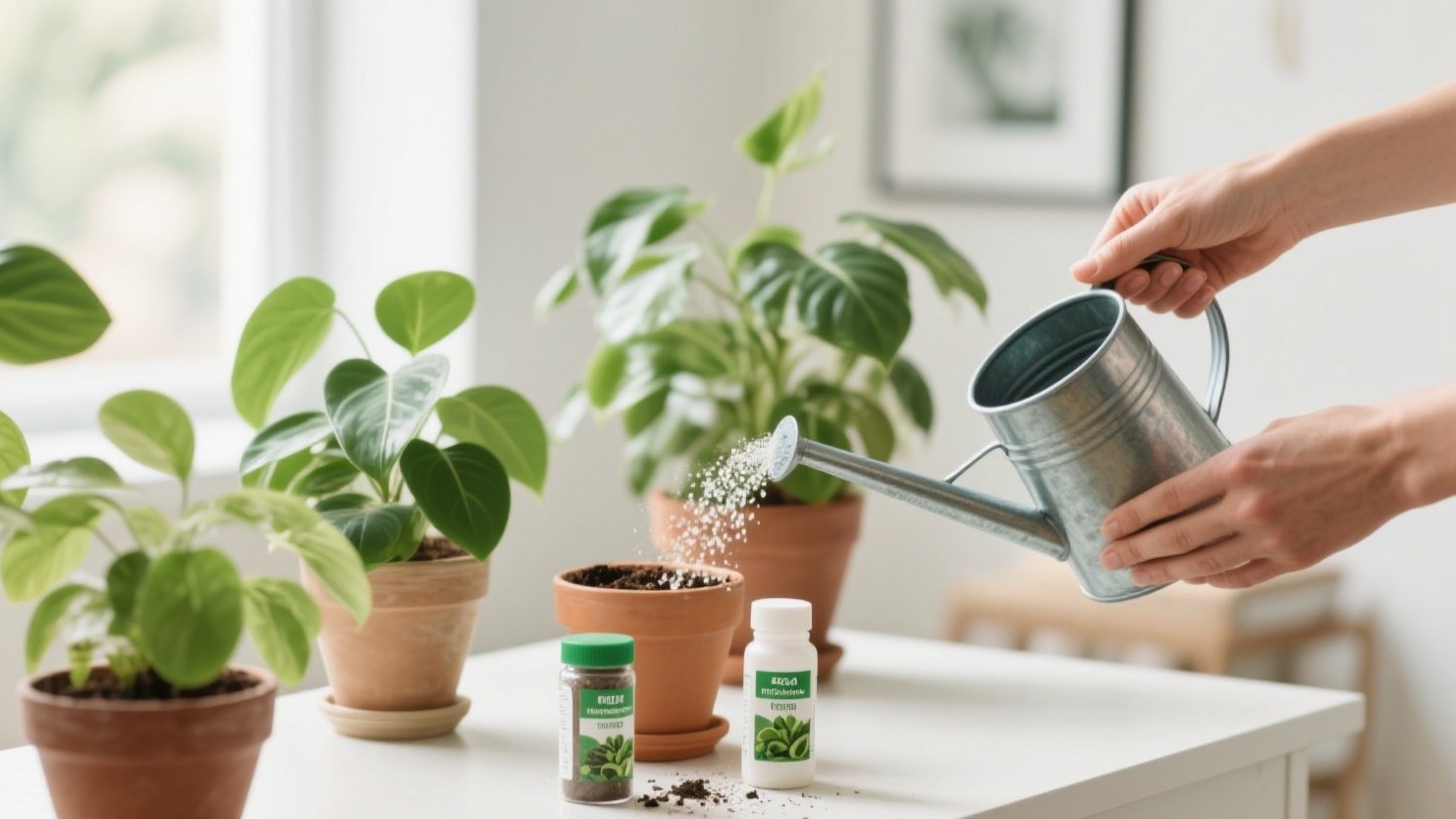
As daylight increases, plants photosynthesize more and may dry out faster—check soil with a finger test or moisture meter every 3–4 days. Water deeply until it drains, empty saucers, and let the top inch dry for most tropicals. Rotate plants a quarter-turn weekly to prevent leaning. 🔄
Add sheer curtains to temper midday glare, especially at south- and west-facing windows. For fireplace zones, watch for warm air pockets and adjust watering down slightly if the area runs hot. Feed with a balanced, diluted fertilizer every 2–4 weeks once new growth is steady. 🌱
Finishing Details: Layered Heights, Safety, and Photo-Ready Polish 📸

Use low risers or stacked design books to tier heights subtly, keeping leaves off hot stone or direct floor heat. Corral the tabletop trio on a tray to read as a single “object” and to catch drips. Tuck a small bowl of preserved moss into gaps for a finished look. 🌿
If you have pets, confirm plant safety and place trailing vines out of reach or use wall-mounted shelves. Before photos or guests, dust leaves with a damp microfiber cloth for that healthy sheen. A final “rule of three” sweep—three repeated colors or textures—locks the vignette together. ✅
Quick Plant Pairings (PNW-Friendly) 🌧️
-
Tall structural: Fiddle-leaf fig, rubber plant, olive tree, snake plant.
-
Trailing: Golden pothos, heartleaf philodendron, string of pearls.
-
Tabletop cluster: Haworthia, maidenhair fern (higher humidity), peperomia obtusifolia.
Use humidity trays or groupings if your indoor air is dry. In brighter spring, most of these thrive on increased but filtered light. Adjust watering by pot material: terracotta dries faster; ceramic holds longer. 🗓️
Conclusion: A Repeatable Spring Framework That Scales 🌼
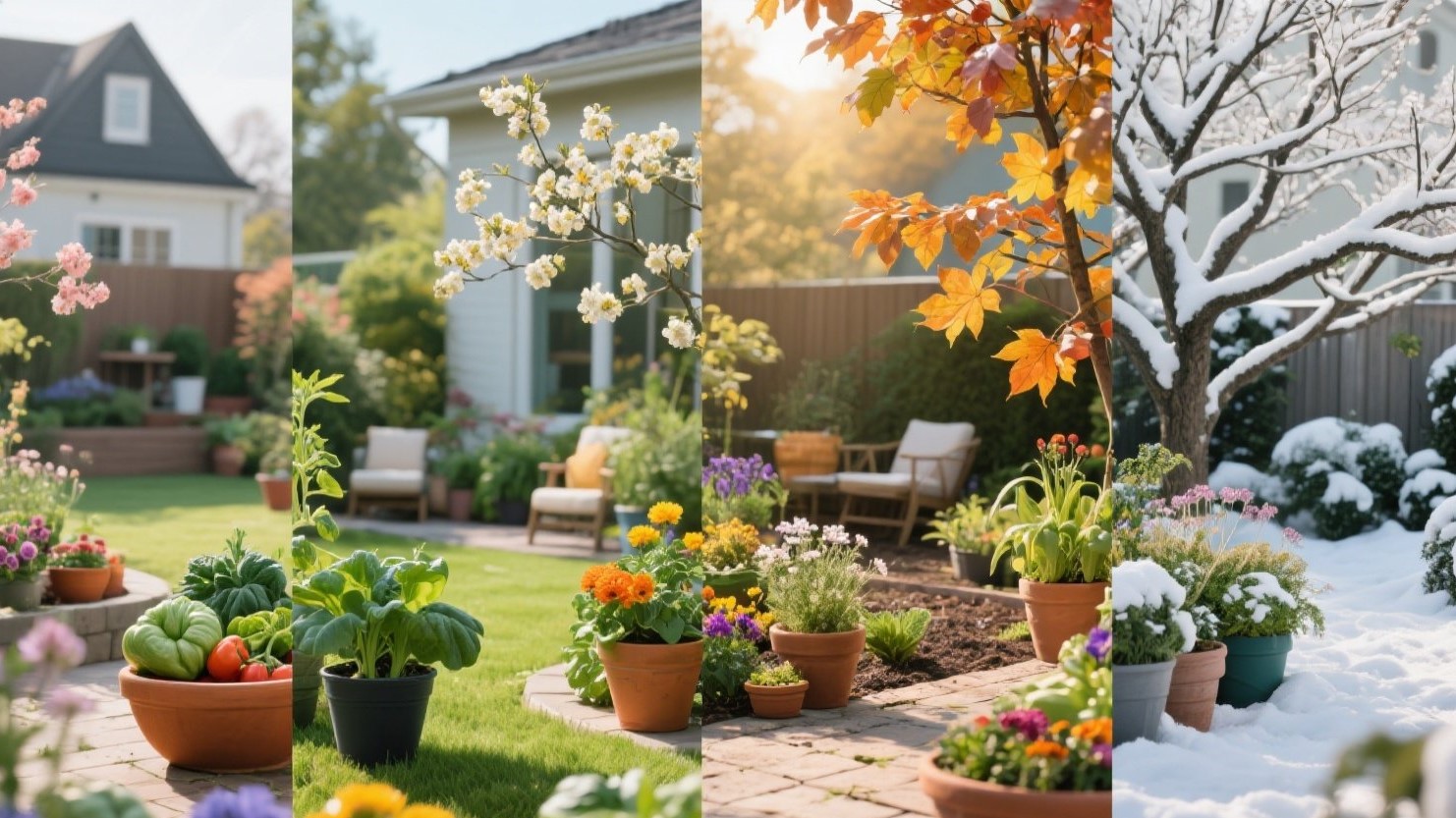
With a tall anchor, a soft trailing line, and a tidy tabletop cluster, you get structure, movement, and detail. Terracotta and speckled ceramic give you two levers—moisture and mood—to tune the look to your materials. A simple spring routine keeps everything fresh as light expands. 🌞
Use these recipes for both a craftsman fireplace and a picture window, then iterate with seasonal flowers or fresh foliage. Keep the architecture visible, the view intact, and the plants healthy. Your focal point will feel intentional, alive, and wonderfully spring. 🌿✨