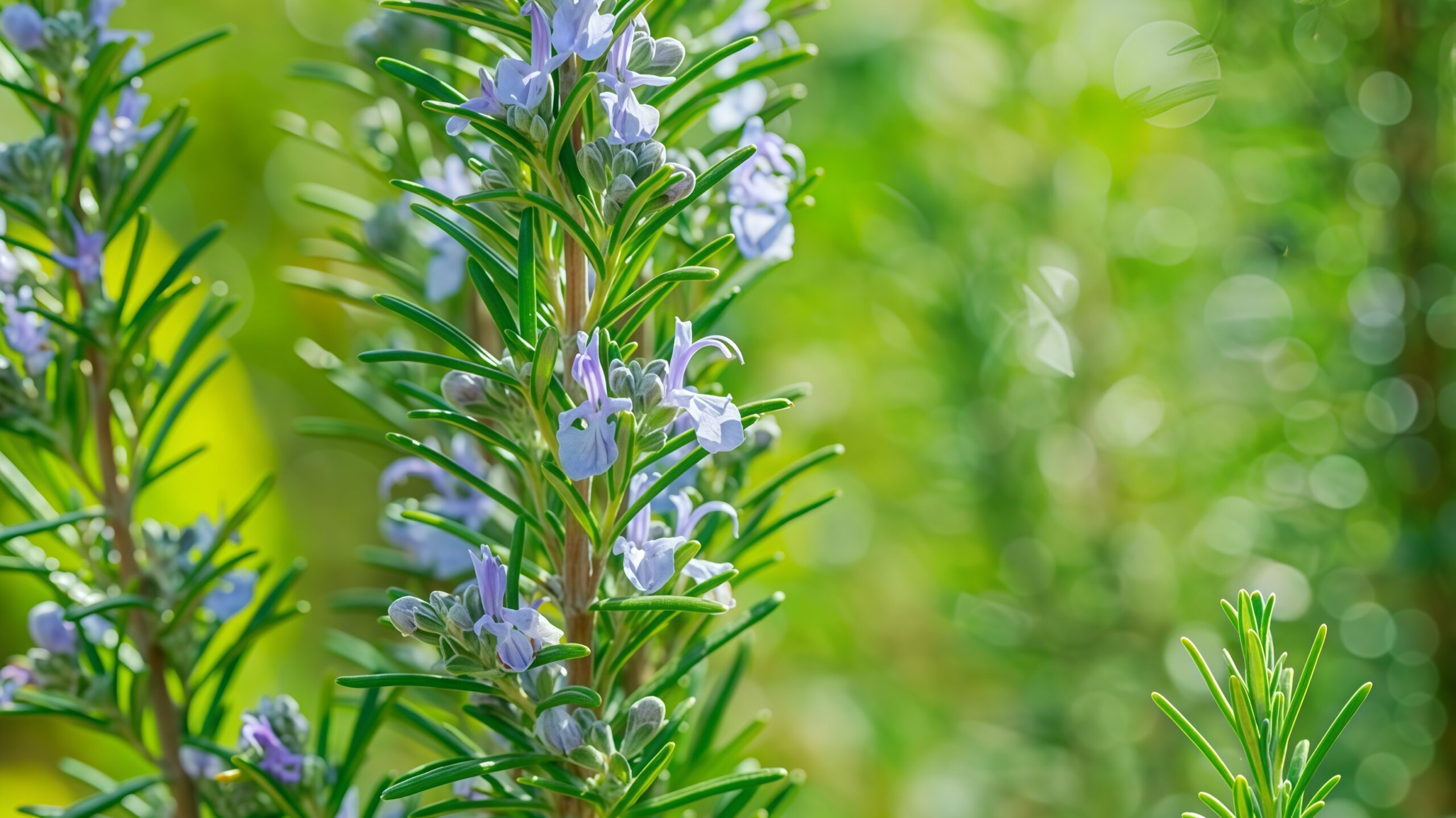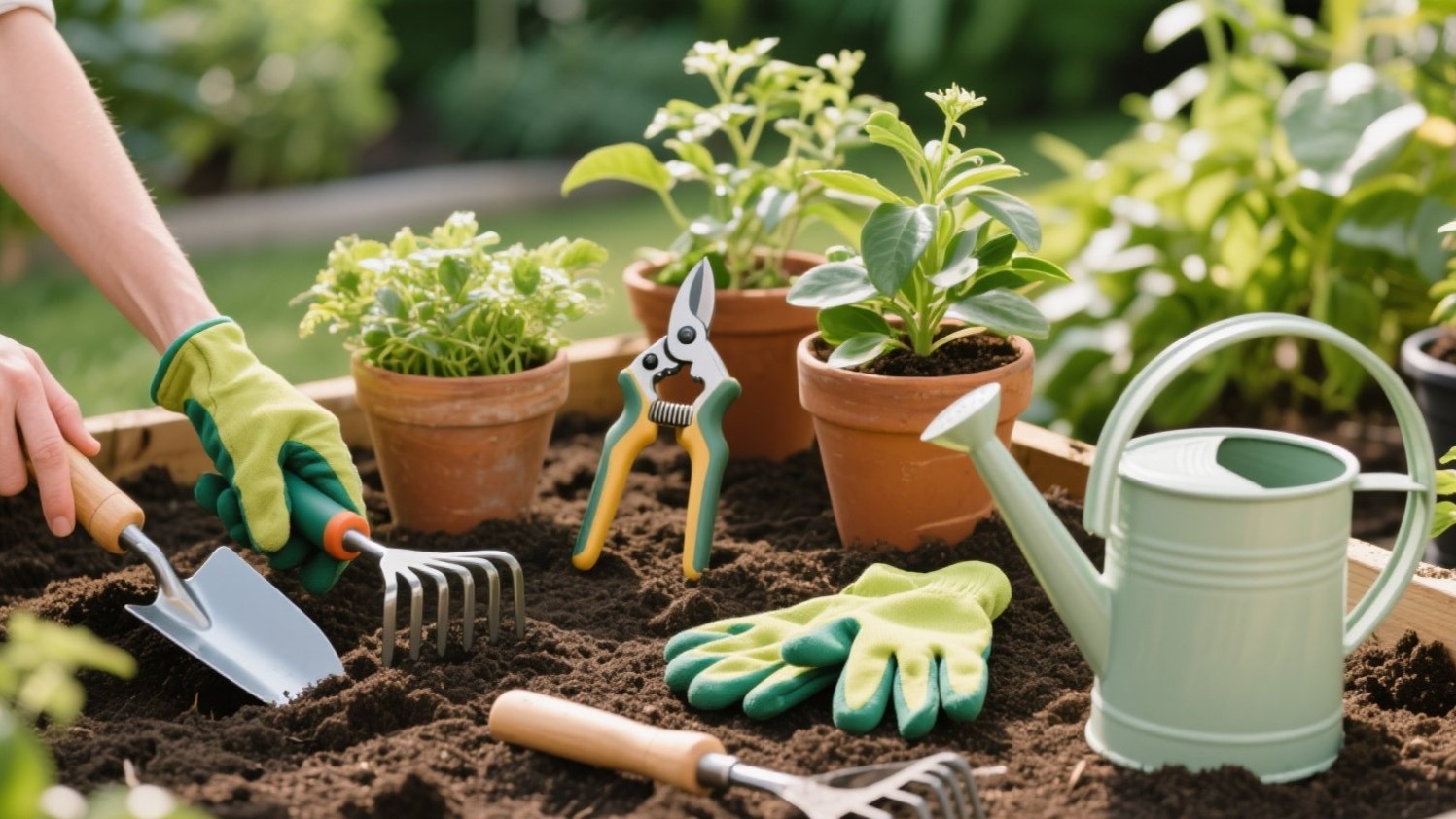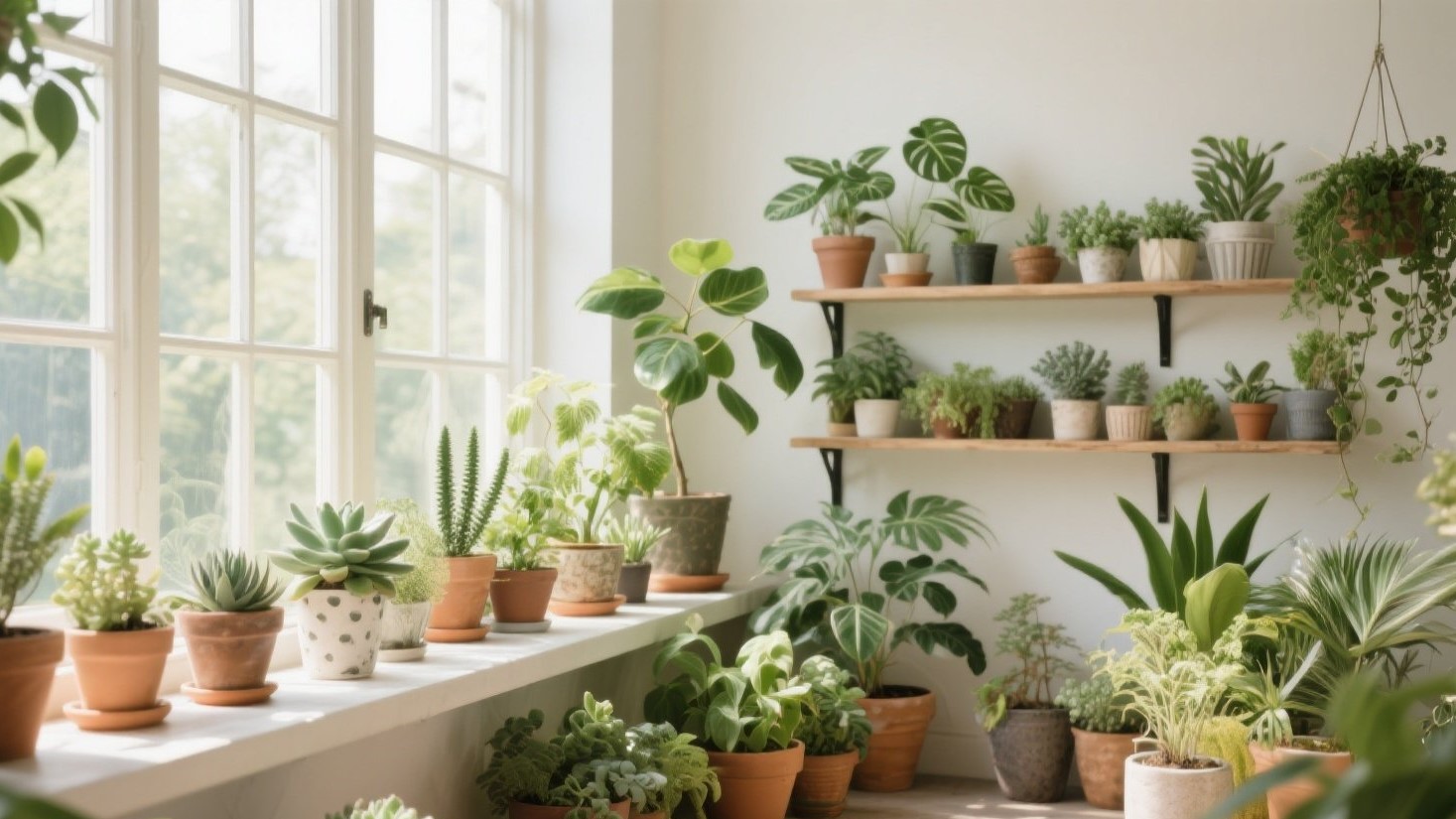
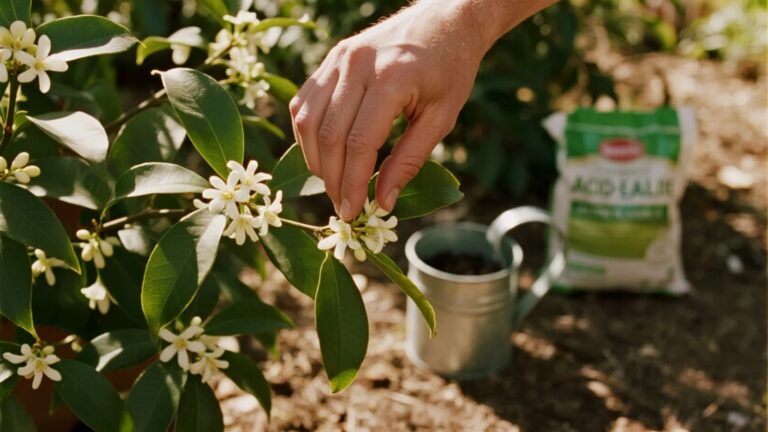
The Sweet Olive (Osmanthus fragrans), prized for its intensely fragrant flowers, is a beloved plant that brings a touch of elegance and wonderful scent to gardens and homes. While it has specific needs, understanding its requirements will help you enjoy its beautiful blooms and captivating aroma season after season.
1. Light: Full Sun for Best Growth and Fragrance
- Ideal Location: Plant in a south-facing spot that receives 6-8 hours of direct sunlight daily.
- Container Growing: Place pots in the sunniest location on your patio or balcony.
- Light Importance: Maximum sunlight ensures abundant flowering and the strongest fragrance development.
2. Watering: Consistent but Careful Moisture
- Watering Rule: Water when the top 2 inches of soil feel dry.
- Method: Water deeply until it drains from the bottom, then allow the soil to dry slightly before watering again.
- Avoid: Overwatering, which can lead to root rot in these moderately drought-tolerant plants.
3. Soil and Planting
- Soil Type: Well-draining, slightly acidic soil is essential. Use a mix with peat moss or compost.
- pH Balance: If leaves yellow between veins, use an acid-loving plant fertilizer.
- Container Size: Choose a pot only 2-3 inches wider than the root ball when repotting.
4. Temperature and Climate
- Hardiness: Best in USDA zones 8-11. Protect from temperatures below 20°F.
- Winter Care: In colder climates, grow in containers that can be moved indoors when temperatures drop below freezing.
- Indoor Wintering: Place in a cool, bright location (40-50°F) during winter months.
5. Feeding for Optimal Growth
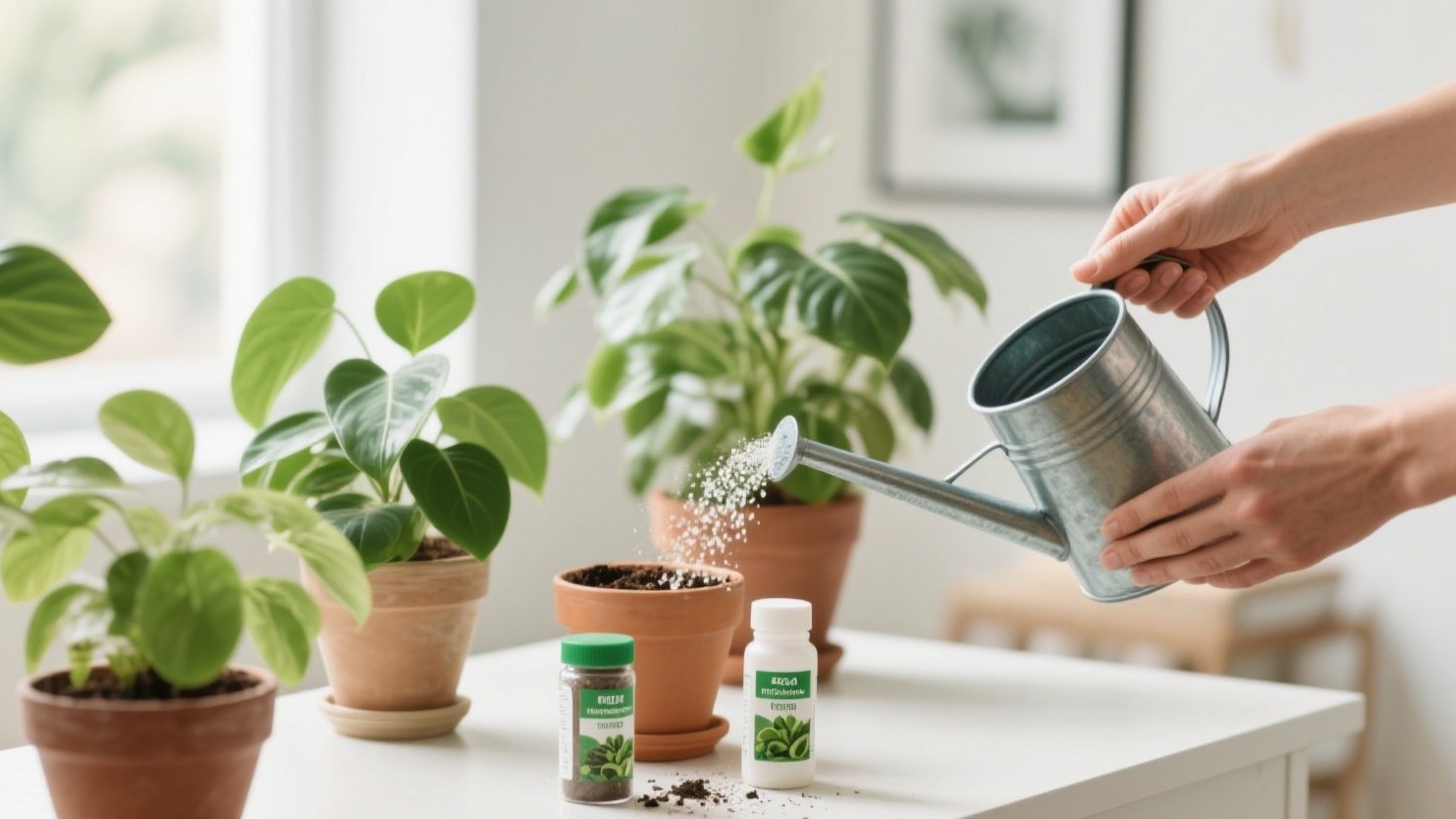
- Growing Season: Feed monthly with acid-loving plant fertilizer or a balanced formula.
- Bloom Enhancement: Use a bloom booster fertilizer as flower buds form.
- Organic Option: Incorporate compost into the soil annually in spring.
6. Pruning and Maintenance
- Pruning Time: Best done after flowering in late spring or early summer.
- Method: Lightly shape and remove any dead or crossing branches. Avoid heavy pruning.
- Regular Care: Remove spent flowers to encourage new growth and additional blooming.
7. Troubleshooting Common Issues
- Yellow Leaves: Often indicates overwatering or nutrient deficiency
- Poor Flowering: Usually due to insufficient light or improper pruning
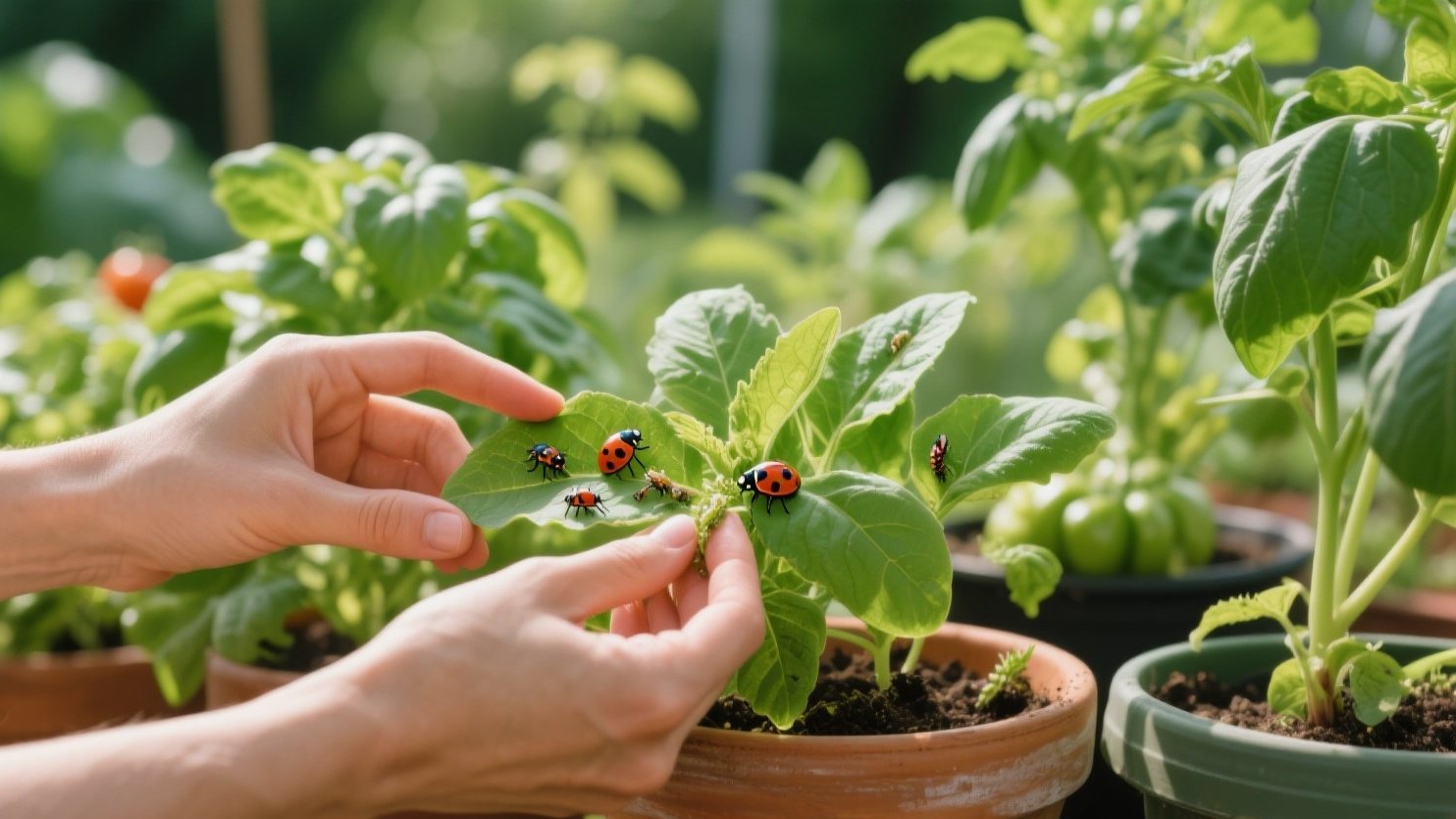
- Pest Issues: Watch for scale insects; treat with horticultural oil if needed
Why Sweet Olive is a Great Choice:
- Fragrance: The flowers produce an exquisite apricot-like scent
- Versatility: Can be grown as a shrub, small tree, or container plant
- Evergreen: Provides year-round interest with glossy green leaves
- Long-lived: With proper care, can thrive for decades
Pro Tip: The fragrance intensifies in the evening. Plant near patios, entryways, or windows where you can enjoy the scent during evening hours.
With proper sunlight, well-draining acidic soil, and protection from extreme cold, your Sweet Olive will reward you with years of beautiful foliage and unforgettable fragrance that makes this plant truly special in any garden.