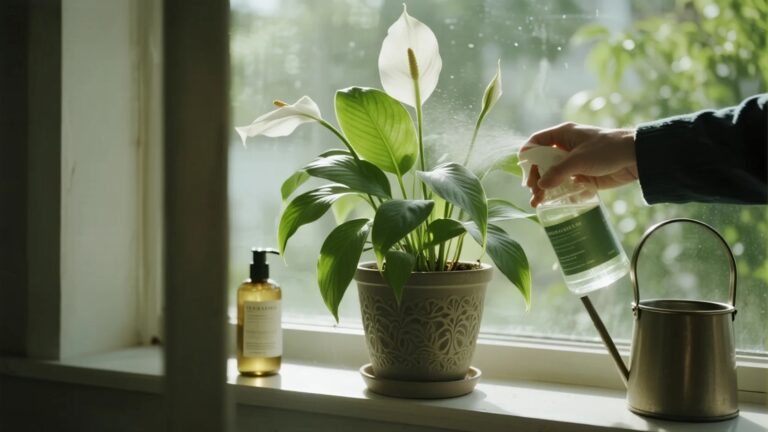
The Peace Lily (Spathiphyllum) is one of America’s most popular houseplants, known for its elegant white flowers and lush green leaves. While often considered a low-light plant, understanding its true needs will help it thrive and bloom repeatedly. Here’s your complete care guide.
1. Light: Bright, Indirect Light for Best Blooms
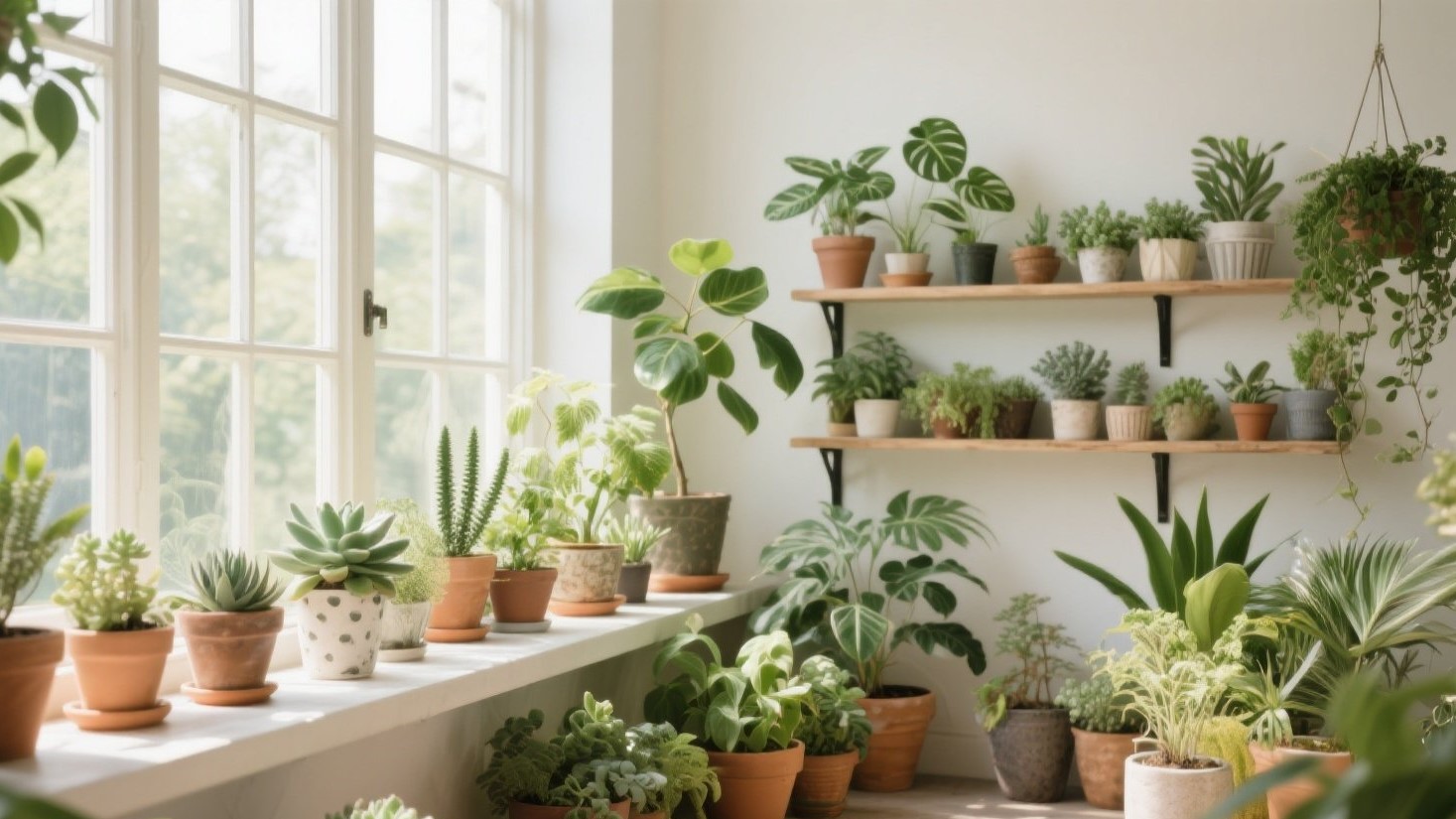
- Ideal Location: Near an east-facing window with morning light, or a few feet back from a south/west window.
- Light Requirements: Needs medium to bright indirect light to produce flowers. While it survives in low light, it likely won’t bloom.
- Avoid: Direct afternoon sun that can scorch leaves.
2. Watering: The “Wilting Signal” Method
- Best Indicator: Water when leaves just begin to droop slightly. This natural signal prevents overwatering.
- Traditional Method: Water when the top inch of soil feels dry.
- Water Quality: Use room-temperature water. If leaf tips brown, try filtered water to avoid chemical sensitivity.
3. Soil and Repotting
- Soil Type: Use a well-draining potting mix with peat moss.
- Acidity: Prefers slightly acidic soil. If leaves yellow, use an acid-loving plant fertilizer.
- Repotting: Repot every 1-2 years in spring when roots circle the pot. Move to a container 2 inches wider.
4. Humidity and Temperature
- Humidity: Prefers 40-50% humidity. Use a pebble tray or humidifier if leaves brown at tips.
- Temperature: Keep between 65-80°F. Avoid drafts from windows or air vents.
5. Feeding for Flowers
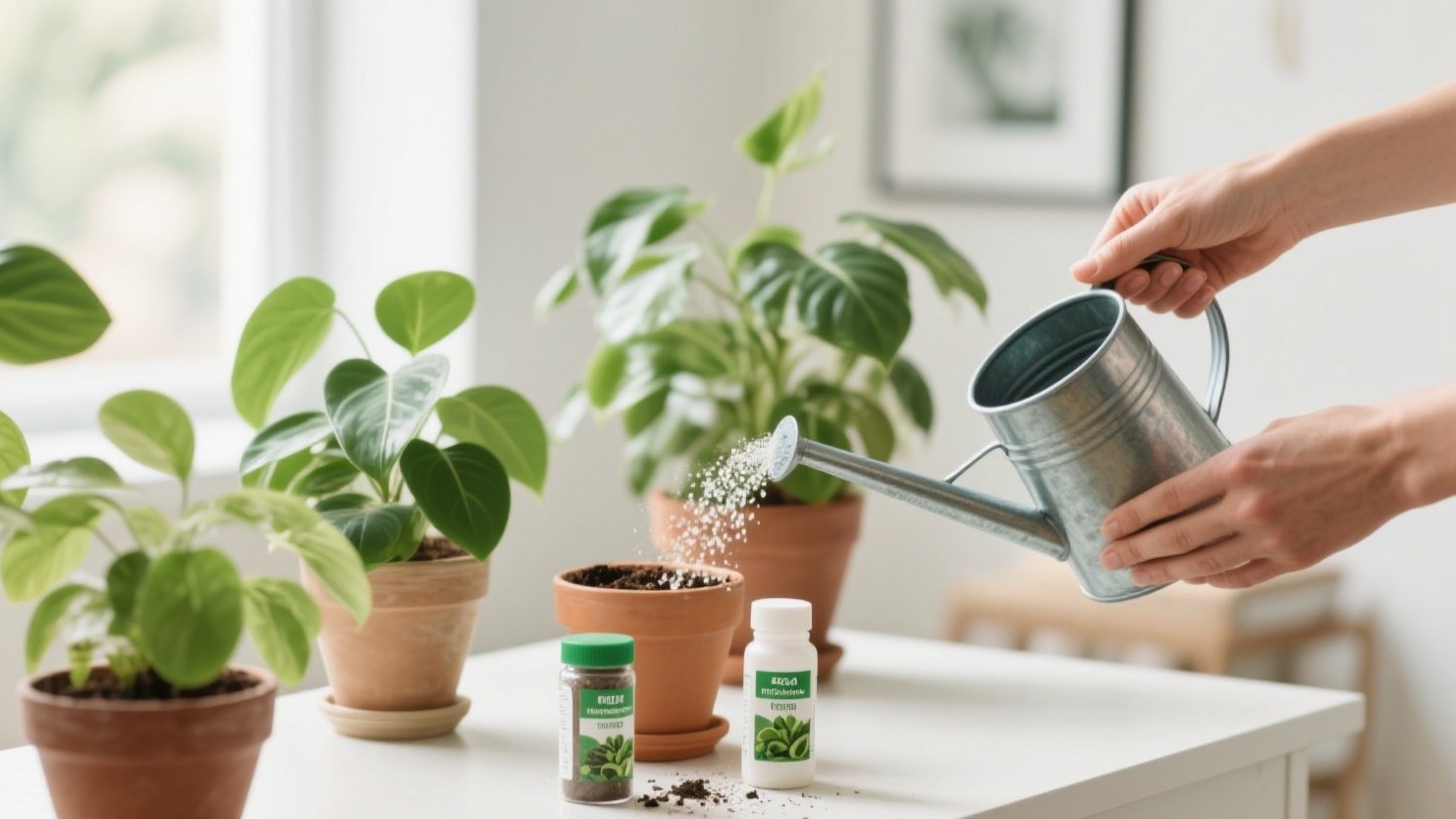
- Growing Season (Spring-Fall): Feed monthly with balanced liquid fertilizer at half strength.
- Blooming Tip: Use a ”bloom booster” fertilizer higher in phosphorus to encourage flowers.
- Winter: Reduce feeding to every 6-8 weeks.
6. Pruning and Maintenance
- Flower Care: Cut spent flower stems at the base when they turn green.
- Leaf Care: Remove yellow or brown leaves at the base to keep plant tidy.
- Cleaning: Wipe leaves monthly with a damp cloth to remove dust.
7. Easy Propagation
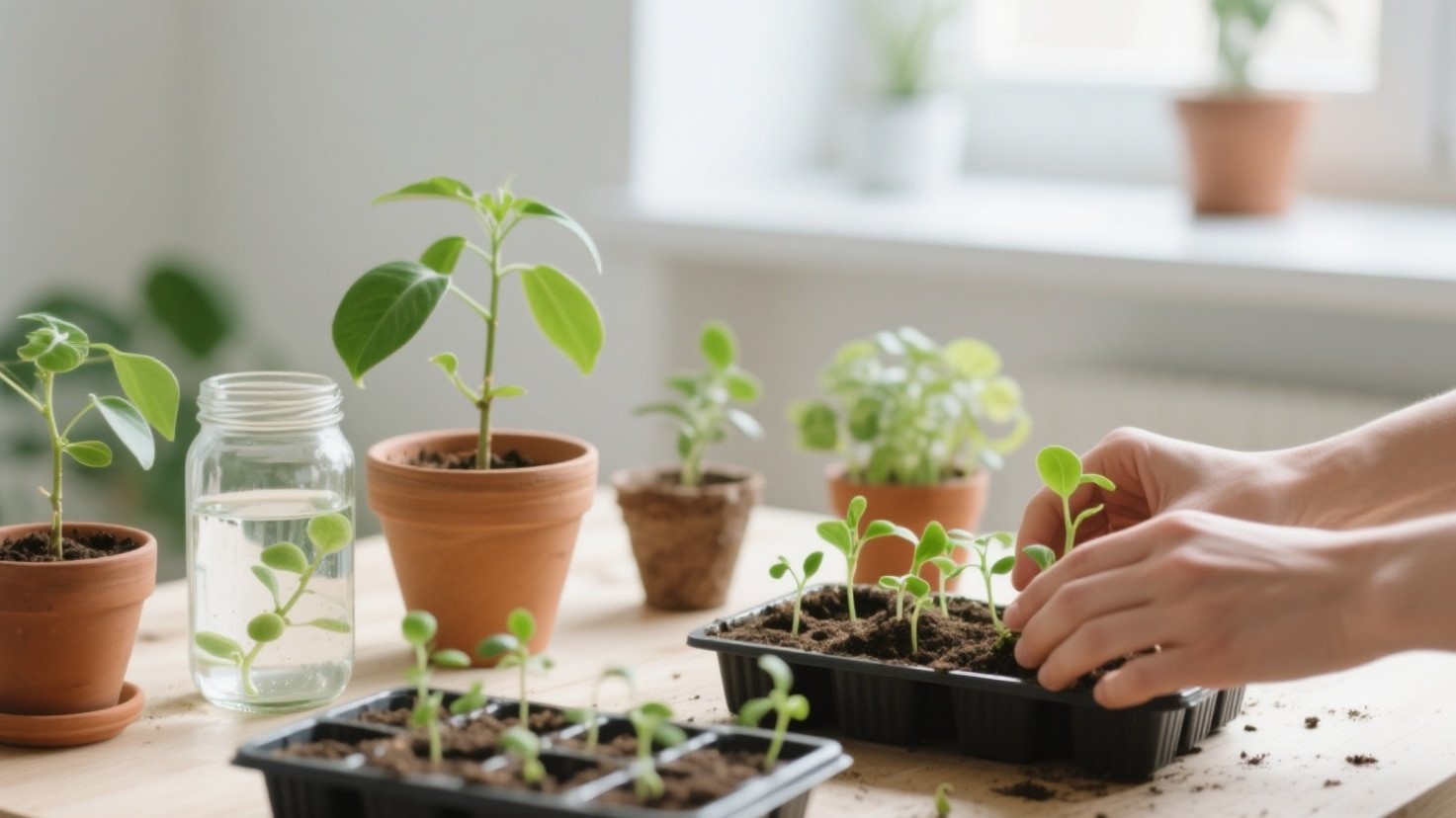
- Division Method: When repotting, gently separate root clumps into smaller plants.
- Timing: Divide in spring for best recovery.
- Planting: Ensure each division has both roots and leaves.
Troubleshooting Common Problems:
- No Flowers: Needs more light or fertilizer
- Yellow Leaves: Overwatering or natural aging
- Brown Tips: Low humidity or chemical sensitivity
- Drooping: Underwatering (usually recovers quickly)
Why Peace Lily is a Great Choice:
- Air Purifying: NASA-certified to remove indoor toxins
- Low Maintenance: Forgiving of occasional neglect
- Non-Toxic: Safe around pets (though may cause mild stomach upset if ingested)
Pro Tip: Peace lilies are excellent “tell-me” plants – they visibly droop when thirsty, making them perfect for beginners learning watering cues.
With consistent care and the right light conditions, your peace lily will reward you with beautiful white blooms and lush foliage year-round. Remember to rotate the plant occasionally for even growth, and enjoy this classic, elegant houseplant!