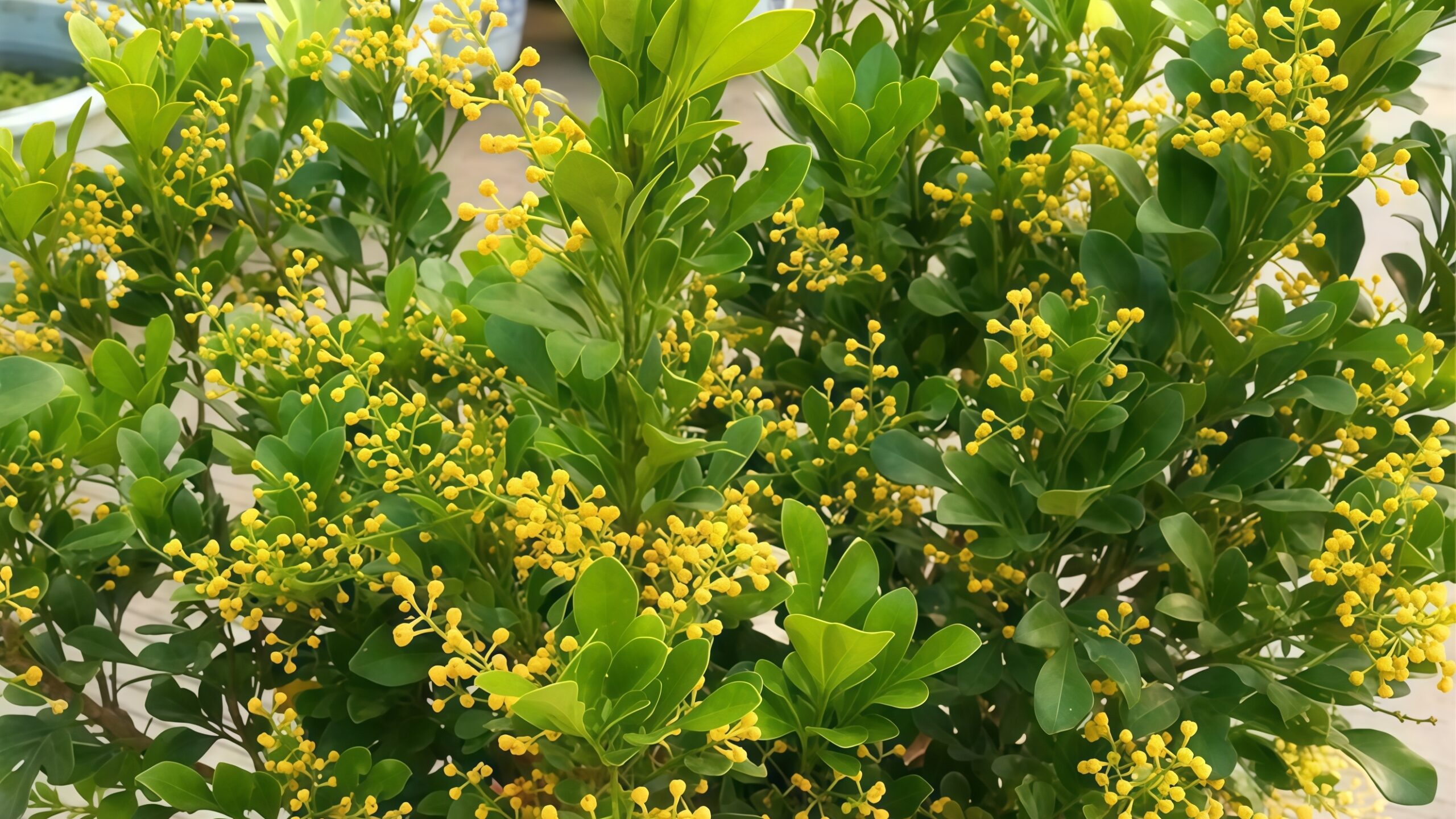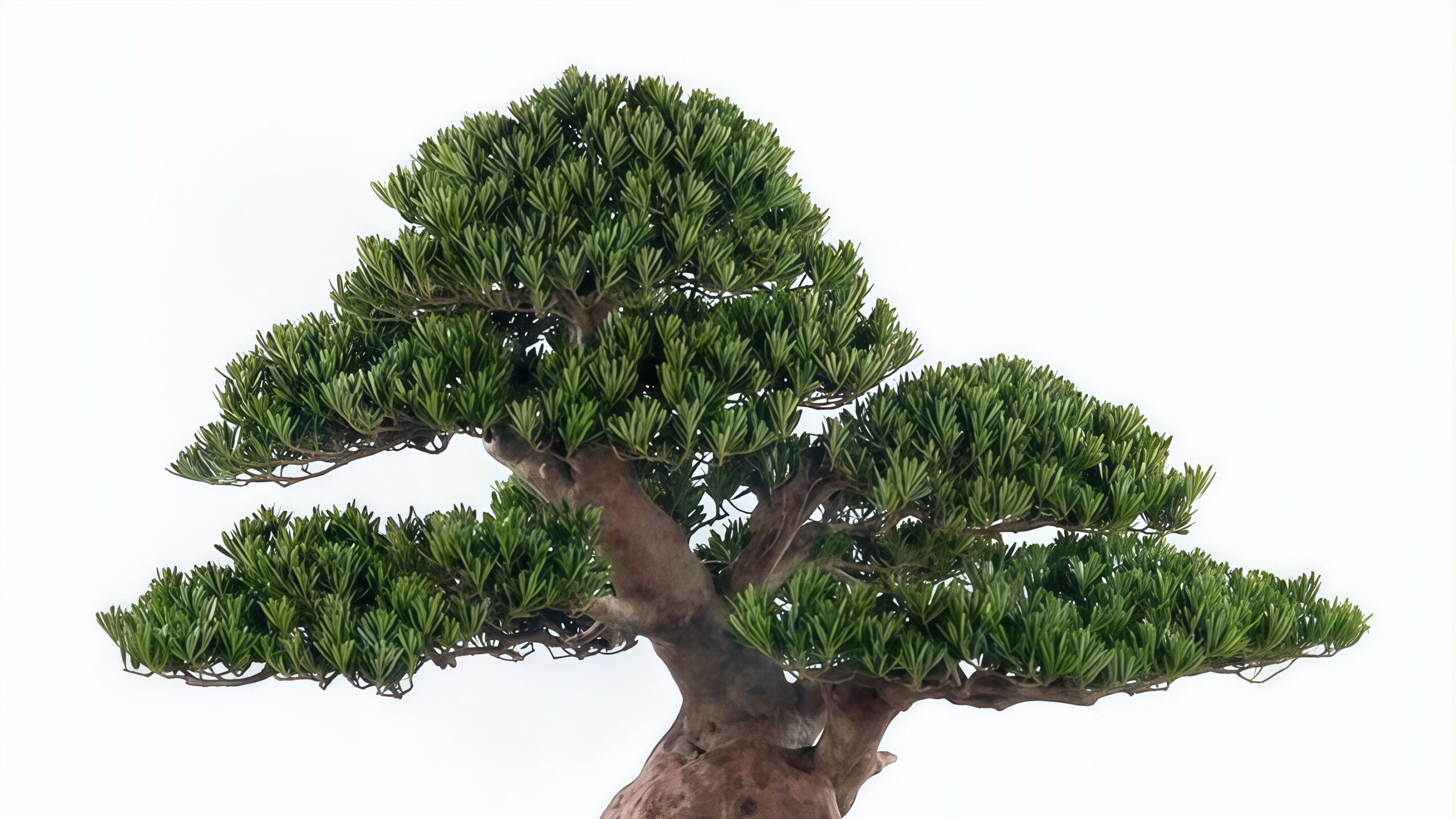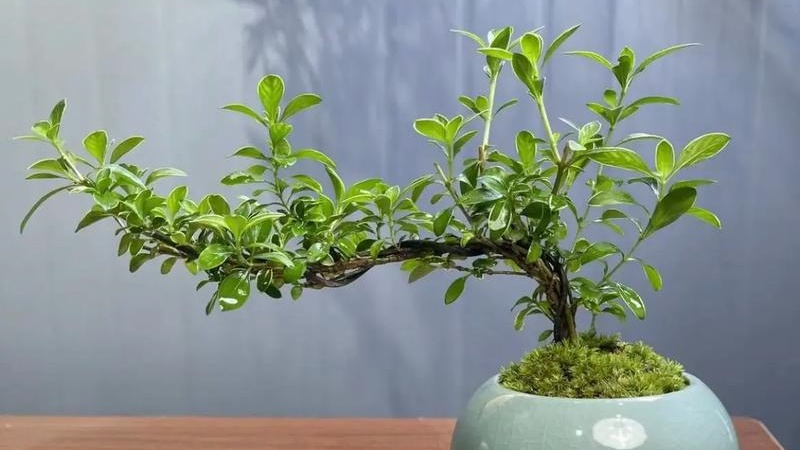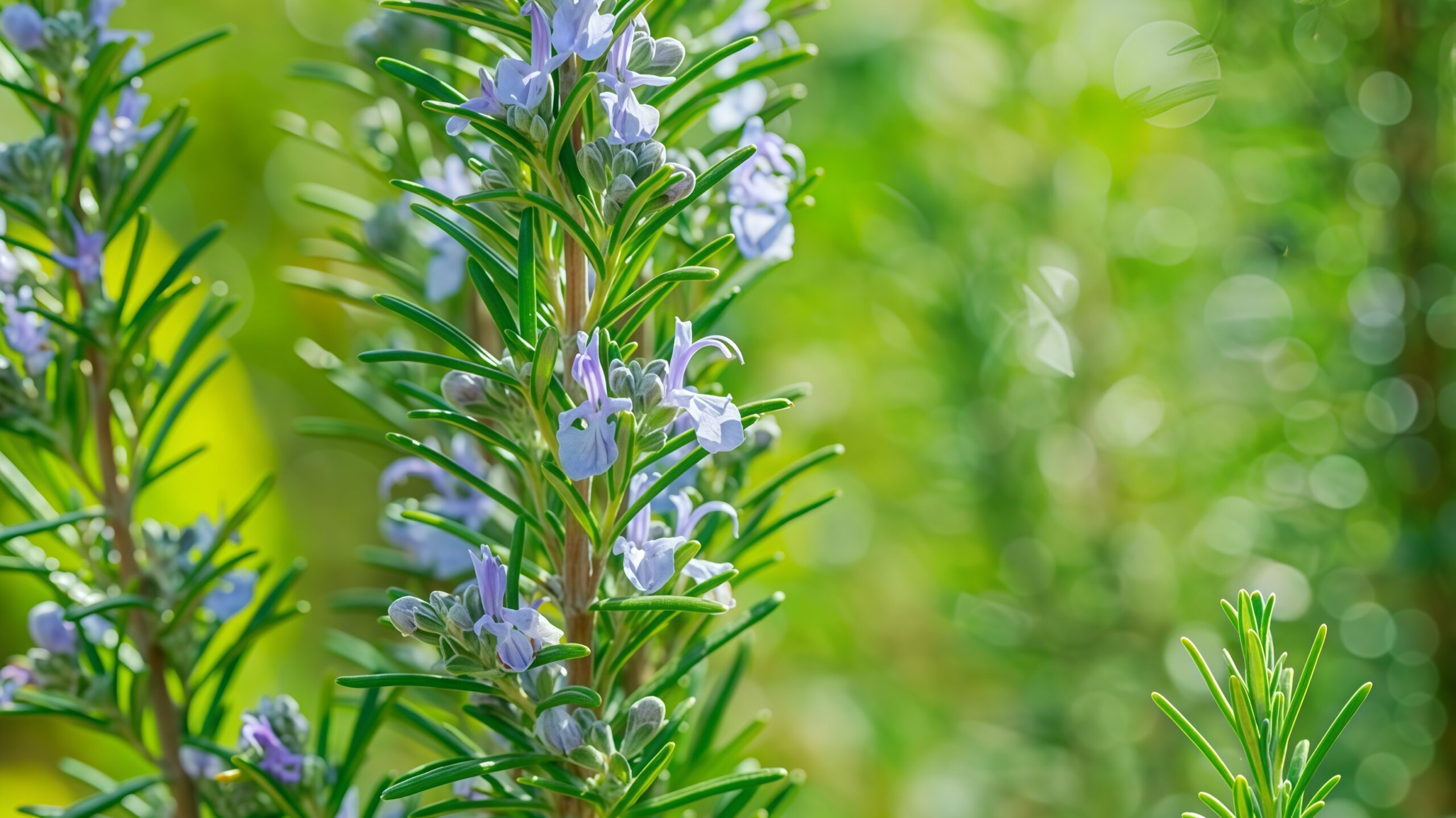
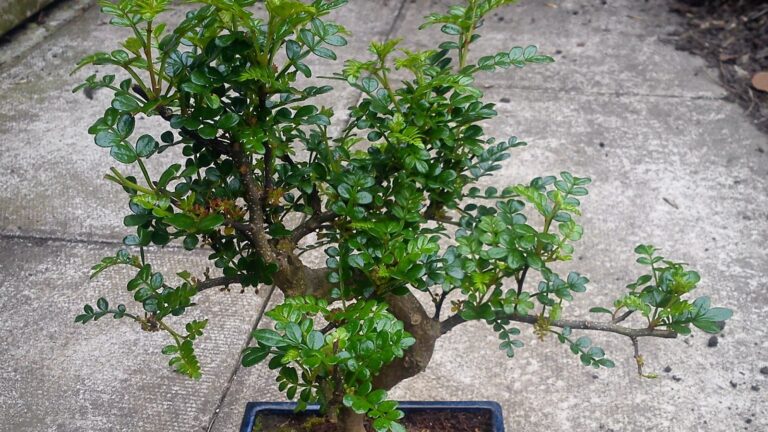
The Japanese Pepper Tree (*Zanthoxylum piperitum*), often sold as a fragrant ornamental plant, is prized for its lemon-pepper scented foliage and dense, bushy growth. While sometimes mistaken for a shade-loving plant, it actually thrives with plenty of light. Here’s how to keep your plant healthy and aromatic.
1. Light: Bright Light for Best Growth
This plant is a sun lover that needs ample light to maintain its dense foliage.
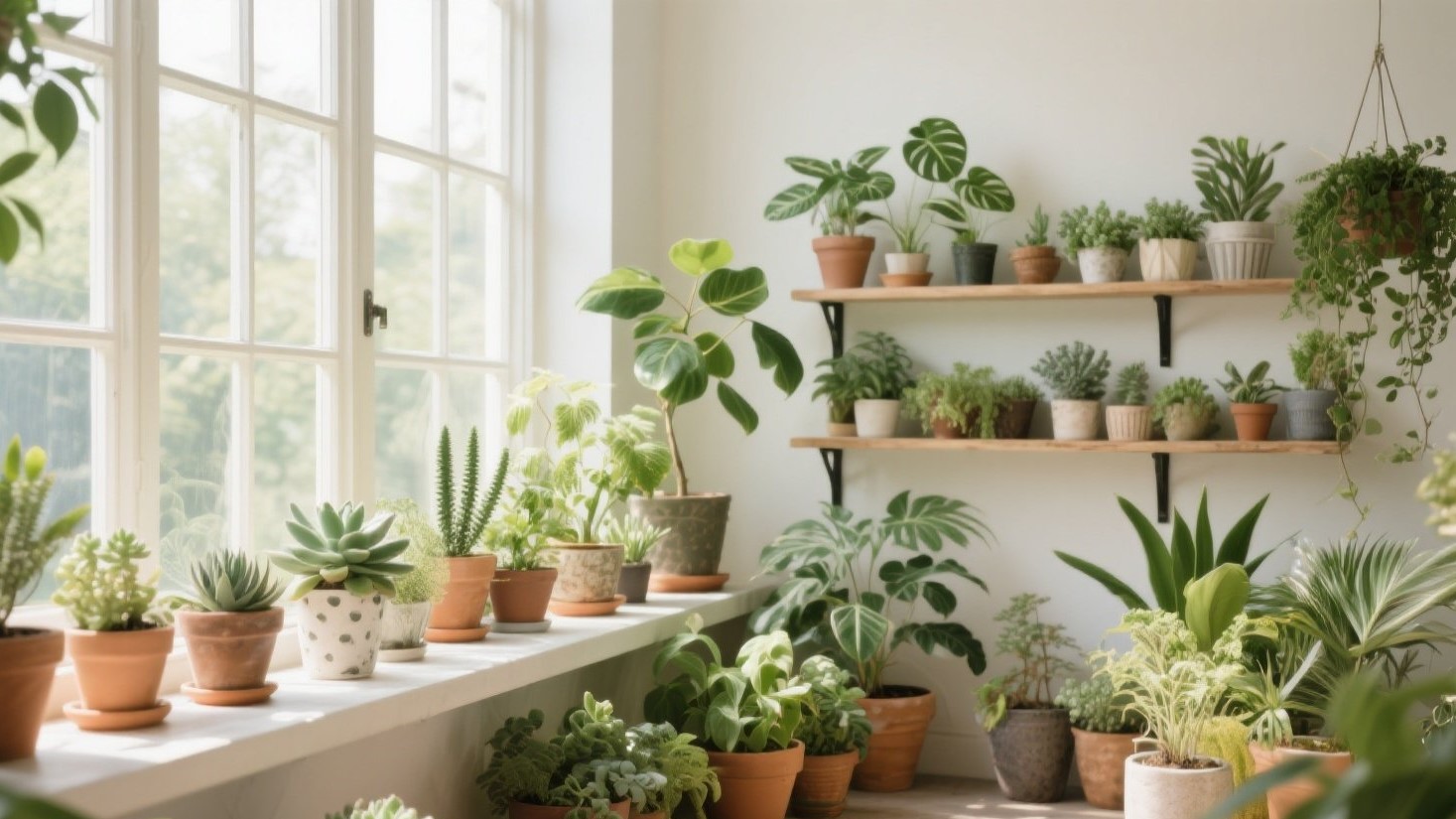
• Ideal Location: Place it near a south or west-facing window where it receives at least 4-6 hours of direct sunlight daily.
• Outdoor Growing: In summer, it enjoys a sunny patio spot but appreciates some afternoon shade in very hot climates.
• Signs of Insufficient Light: Sparse leaves, leggy growth, and leaf drop indicate it needs more light.
2. Watering: Consistent Moisture is Key
Unlike many succulents, this plant prefers evenly moist soil.
• Watering Rule: Water when the top inch of soil feels dry. Water thoroughly until it drains from the bottom.
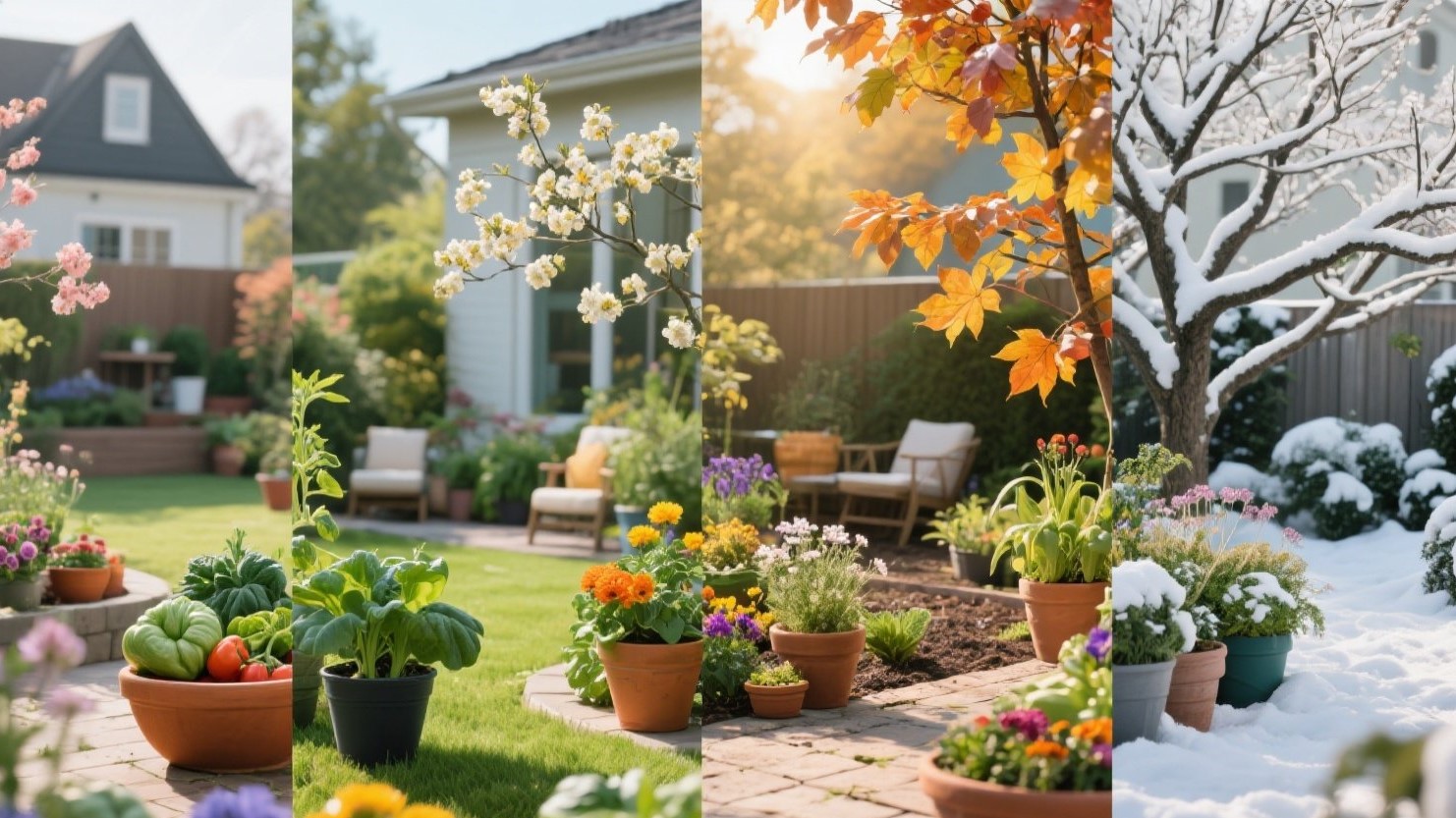
• Seasonal Adjustment: Water more frequently in warm months and reduce watering in winter when growth slows.
• Avoid: Both complete drying out and waterlogged soil.
3. Soil and Potting: Slightly Acidic and Well-Draining
• Soil Mix: Use a quality potting mix with good drainage. A mix containing peat moss helps maintain slight acidity.
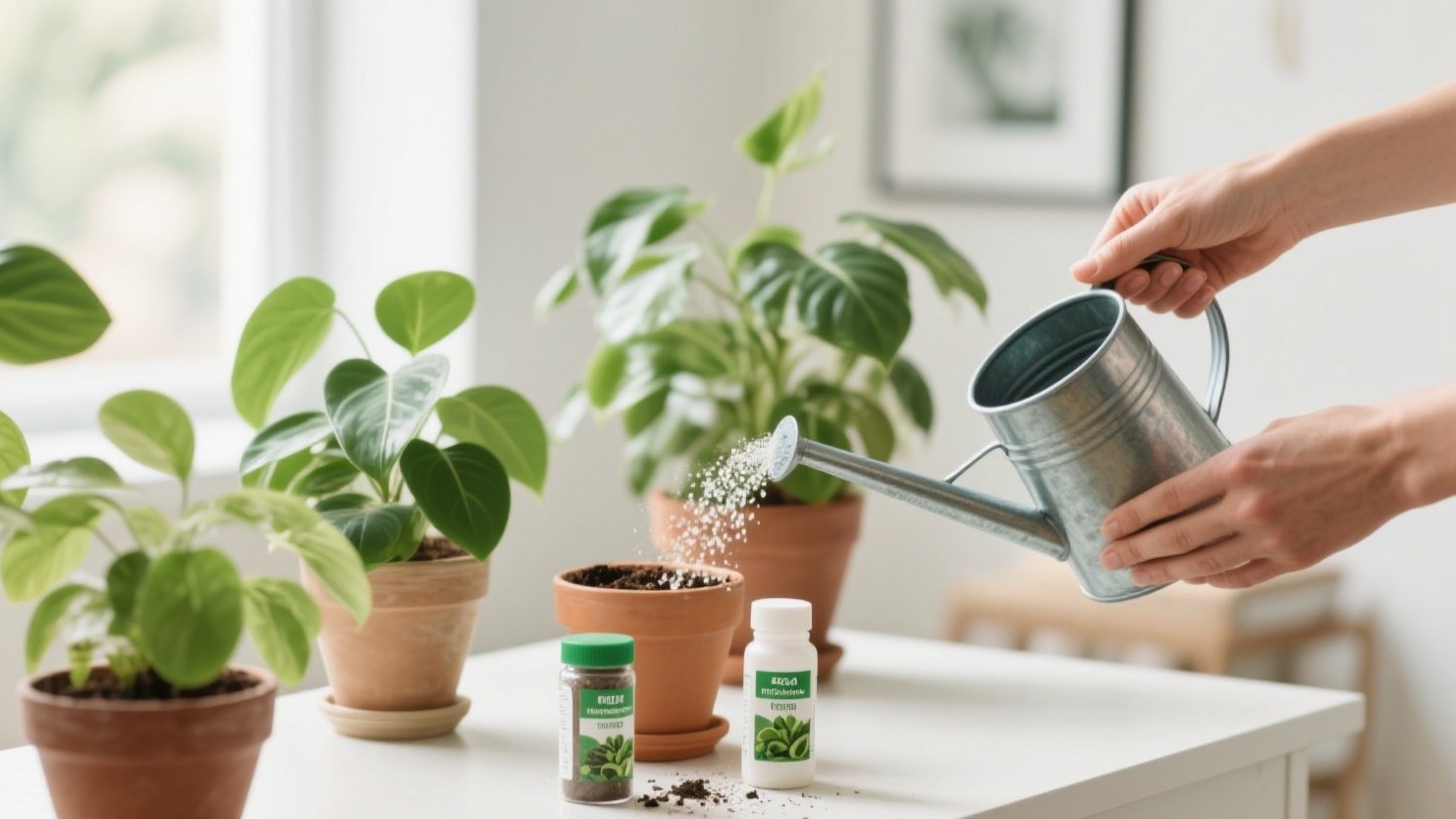
• pH Balance: If leaves yellow between veins, the soil may be too alkaline. Use an acid-loving plant fertilizer or occasional vinegar-water solution (1 tsp vinegar per gallon water).
• Repotting: Repot every 2-3 years in spring, moving to a container only 1-2 inches larger.
4. Temperature and Humidity: Warm and Humid
• Ideal Temperature: 60-80°F. Protect from temperatures below 45°F.
• Winter Care: Bring indoors before temperatures drop below 50°F. Place away from cold drafts.
• Humidity: Prefers moderate humidity. Mist leaves regularly or use a pebble tray to increase humidity.
5. Feeding: Regular Nutrition for Healthy Growth
• Growing Season (Spring-Fall): Feed every 2-3 weeks with a balanced liquid fertilizer.
• Dormant Season (Winter): Reduce feeding to once a month.
• Organic Option: Incorporate compost or worm castings into the soil annually.
6. Pruning and Maintenance
• Pruning: Trim regularly to maintain shape and encourage bushiness. Remove any dead or yellowing leaves.
• Cleaning: Wipe leaves occasionally to remove dust and maintain photosynthesis efficiency.
7. Propagation: Easy from Cuttings
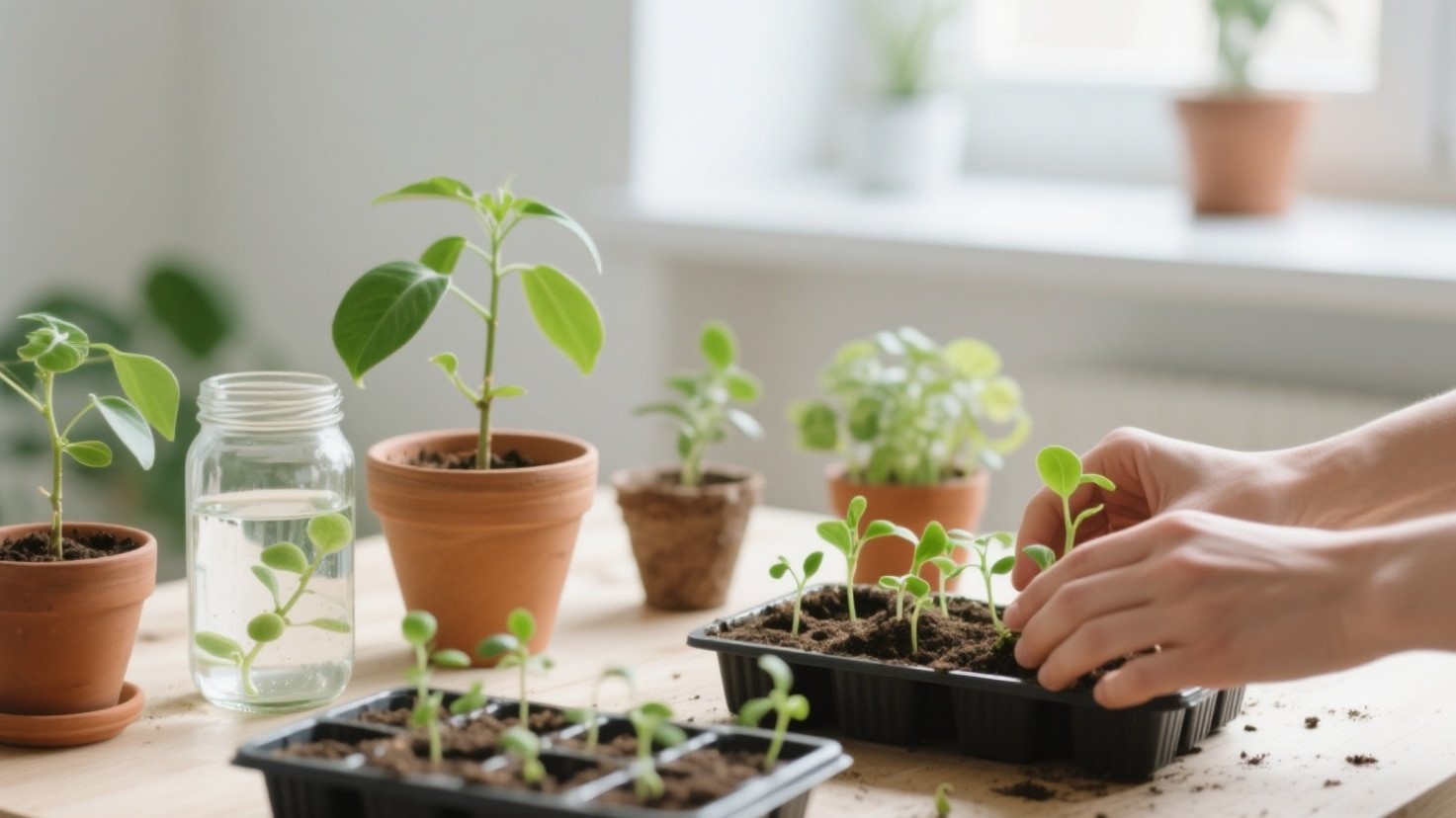
• Take 4-6 inch stem cuttings in spring
• Remove lower leaves and dip in rooting hormone
• Plant in moist potting mix and keep warm and humid until rooted
Troubleshooting Common Issues:
• Leaf Drop: Usually caused by overwatering, underwatering, or insufficient light
• Yellow Leaves: Can indicate overwatering or nutrient deficiency
• Sparse Growth: Needs more light and possibly fertilizer
With proper light, consistent moisture, and occasional feeding, your Japanese Pepper Tree will reward you with year-round fragrant foliage and attractive growth. Remember that this plant responds well to regular attention – the more consistent your care, the better it will grow.
Pro Tip: Crush a leaf between your fingers occasionally to release the delightful citrus-pepper scent that makes this plant so special!