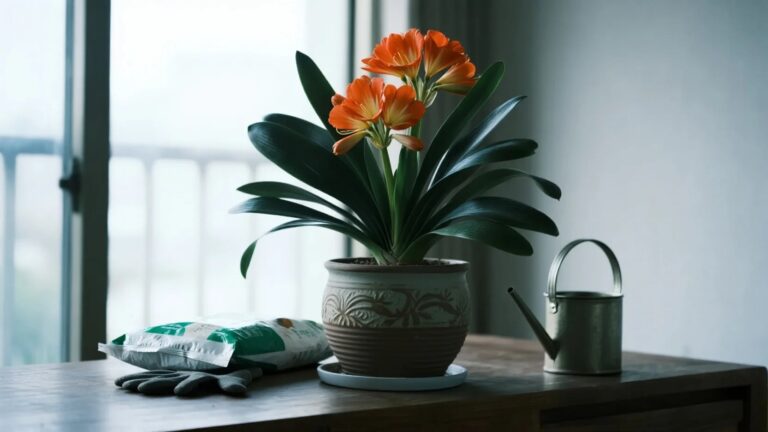
Welcome, fellow plant lovers! This guide will walk you through everything you need to know to keep your Clivia plant thriving. Known for its stunning clusters of trumpet-shaped flowers and deep green, arching leaves, the Clivia is a spectacular but easy-going houseplant when you understand its basic needs.
1. Light: Bright but Indirect is Best
Think of the dappled light under a tree canopy—that’s what your Clivia loves. It’s a sun-worshipper that can’t handle the harsh midday sun.
- Ideal Spot: Place it near an east-facing window where it gets plenty of bright, gentle morning light. A north-facing window can also work well.
- What to Avoid:
- Direct Hot Sun: Strong afternoon sun from a south or west window will quickly scorch the leaves, causing unsightly yellow or brown patches.
- Deep Shade: While it tolerates lower light, a dark corner (like a bathroom with no window) will stunt its growth and prevent it from flowering.
2. Pruning: Keep It Tidy and Healthy
A little simple grooming goes a long way.
- Remove Old Leaves: Regularly pull off brown or yellowing leaves at the base. This is normal aging and removing them keeps the plant clean and prevents mold or pests.
- Trim Leaf Tips: If the tips of the leaves turn brown or black (often due to dry air or over-fertilizing), simply snip off the damaged part with clean scissors to improve its appearance and stop the damage from spreading.
- Deadhead Flower Stalks: After the beautiful flowers fade, cut the entire flower stalk off at the base. This stops the plant from wasting energy on making seeds and encourages it to bloom again next year.
3. The Secret to Spectacular Blooms
Getting a Clivia to flower is a matter of meeting two key conditions:
- Maturity: The plant must be mature enough, typically having at least 14 pairs of leaves. If your plant is still small, be patient and focus on healthy leaf growth.
- A Cool Winter Rest: This is the most important trick! In the fall, your Clivia needs a ”chill period” to trigger flower buds. For about 6-8 weeks, place it in a cool spot (around 50-60°F / 10-15°C) and reduce watering. This mimics its natural dormant season. If you keep it in a constantly warm house (like with central heating), it may never bloom.
4. Watering: Less is More
Clivia has thick, fleshy roots that store water, making it prone to root rot. When in doubt, it’s safer to underwater.
- The Finger Test: Never water on a schedule. Instead, stick your finger about 2 inches into the soil. Water thoroughly only when the top few inches of soil are completely dry.
- Seasonal Changes: Water more frequently during spring and summer (growth season) and much less during the fall and winter (resting season).
5. Soil and Repotting: The Right Foundation
- The Perfect Potting Mix: Clivia needs a light, fast-draining mix that doesn’t stay soggy. A commercial orchid potting mix (made of bark chips) is an excellent choice. You can also use a mix designed for African Violets. Avoid heavy, dense garden soil, which will suffocate the roots.
- When and How to Repot: Repot only every 2-3 years, as Clivia actually blooms better when slightly pot-bound.
- Pot Size: Choose a new pot that is only 1-2 inches wider than the old one. A pot that’s too large holds excess moisture.
- Best Time: The ideal time to repot is right after it finishes flowering or in early spring.
6. Fertilizing: Gentle and Organic
Feed your Clivia to support its growth, but be gentle—its roots are sensitive to strong chemicals.
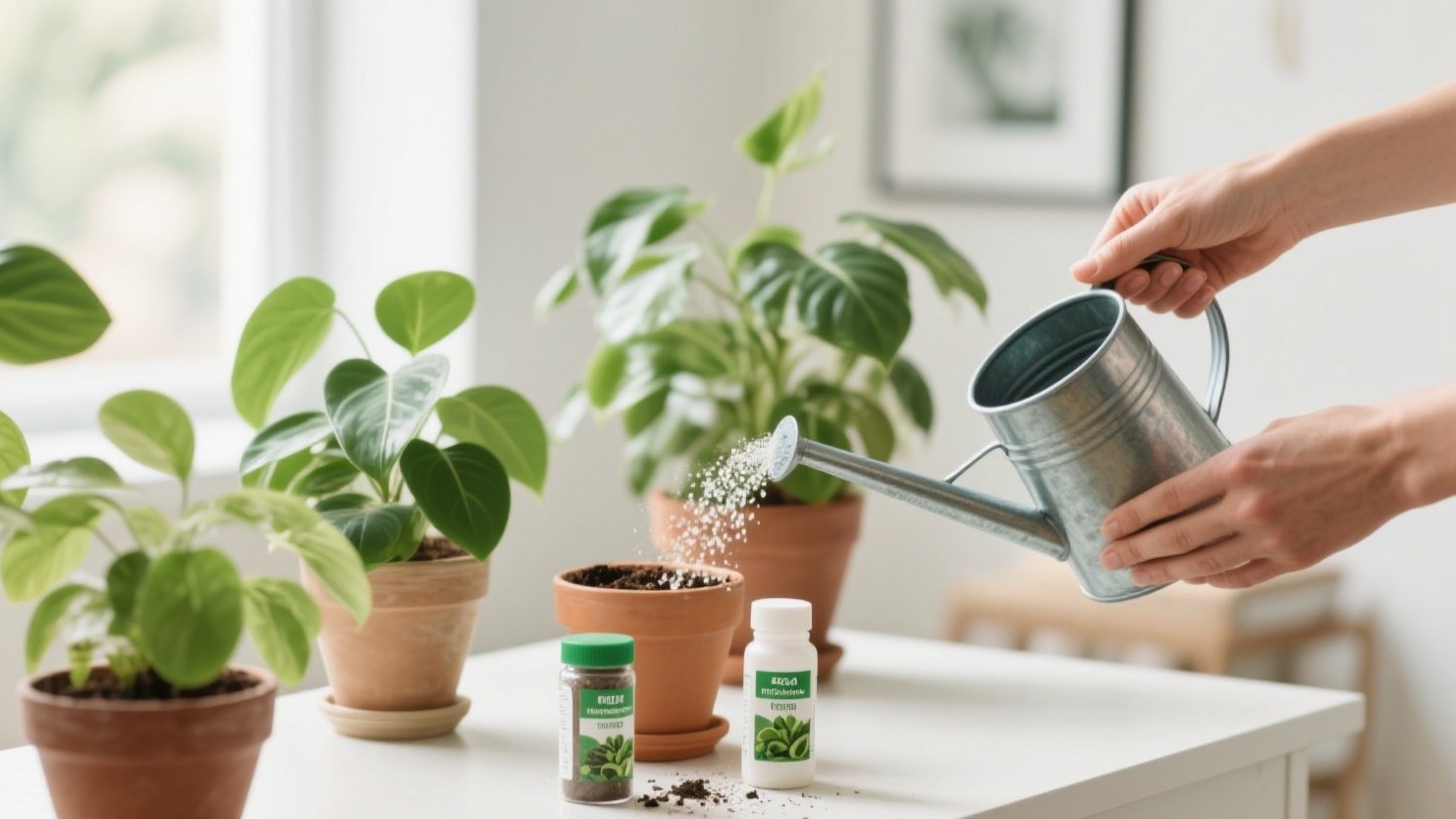
- What to Use: Organic fertilizers are the safest bet. Options like worm castings, compost, or a balanced organic liquid fertilizer are great. They release nutrients slowly and won’t “burn” the roots.
- When to Feed: Fertilize once a month during the spring and summer. Stop all feeding during the late fall and winter while the plant is resting.
7. Winter Care: Cozy and Humid
- Keep It Warm: Clivia is not frost-hardy. Keep it in a room where temperatures stay above 50°F (10°C). Avoid placing it near cold drafts or frosty windows.
- Boost Humidity: Winter indoor air can be very dry. Clivia appreciates extra humidity. Mist the leaves regularly with a spray bottle or place the pot on a tray filled with pebbles and water (make sure the pot sits above the water line).
8. Easy Propagation: Make New Plants
You can grow new Clivia plants in two ways:
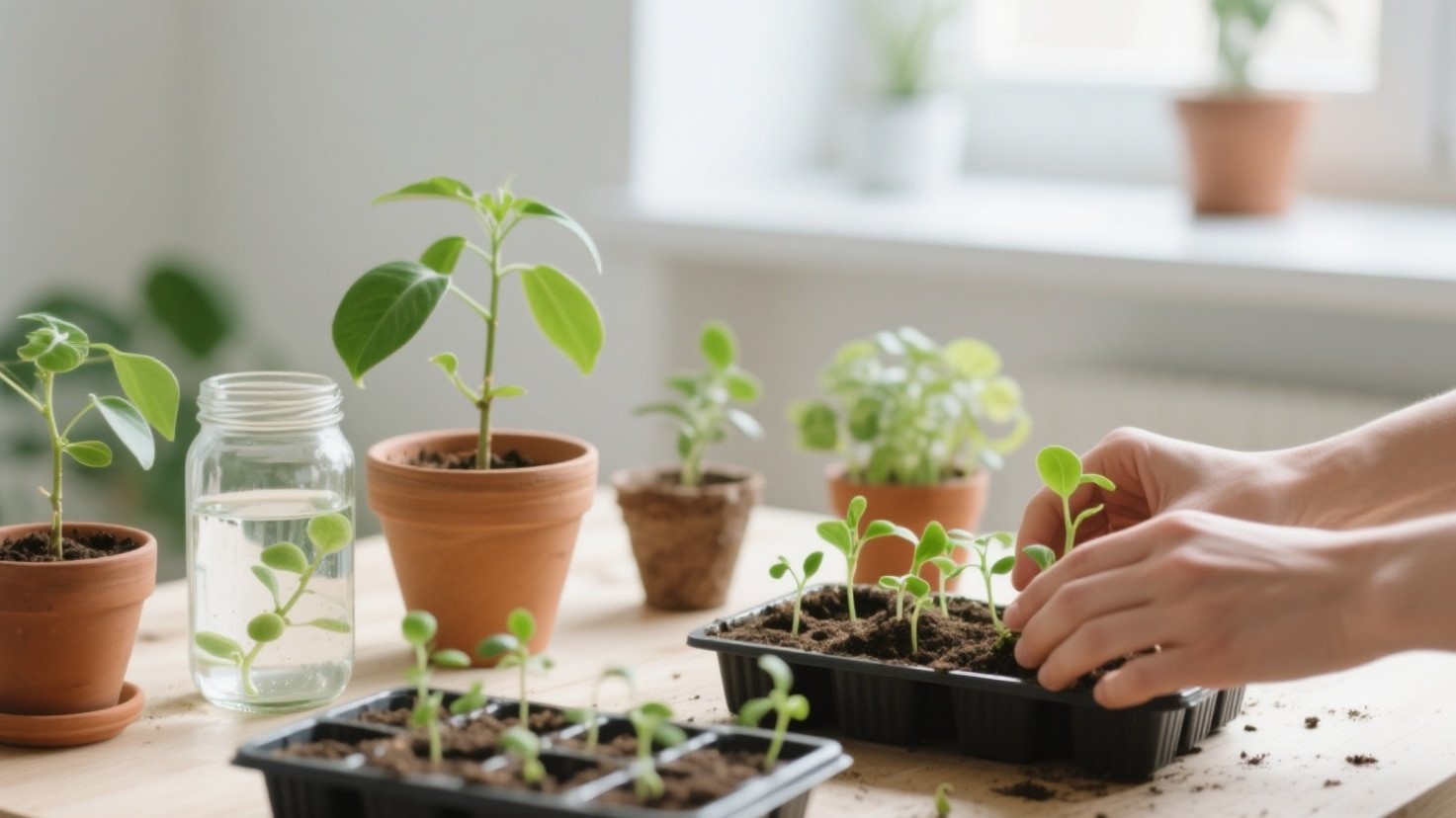
- Division (Easiest Method): When a mature plant produces “pups” or side shoots at its base, you can carefully separate them from the mother plant and pot them up individually once they have a few leaves of their own.
- Seed (For the Patient Gardener): You can grow Clivia from the red berries that form after flowering, but be warned—it can take 5-7 years for a seed-grown plant to flower!
9. Leaf Training for a Perfect Shape
Clivia leaves can grow unevenly, leaning toward the light. For a symmetrical, fan-shaped appearance, you can gently train them:
- Rotate the Pot: Every time you water, give the pot a quarter turn. This ensures all sides receive equal light.
- Gentle Ties: If a leaf is growing too high, you can use a soft plant tie to gently hold it in place alongside the others.
10. Pest and Disease Control
Clivia is generally pest-resistant but can occasionally have issues.
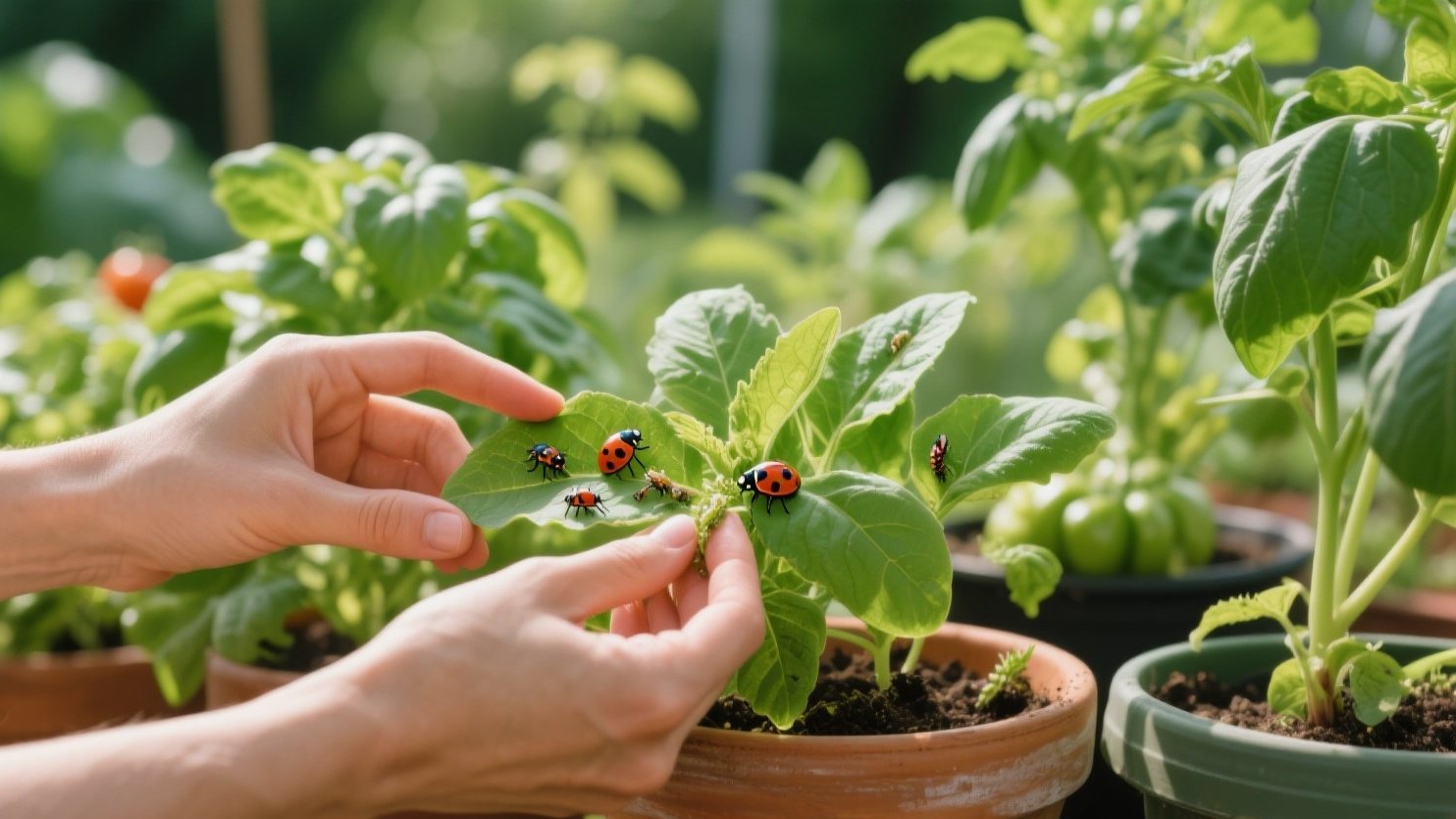
- Common Pests: Watch for mealybugs (look like small bits of white fluff) or scale (small, brown bumps on leaves). Wipe them off with a cotton swab dipped in rubbing alcohol or use an insecticidal soap.
- Fungal Issues: Brown spots on leaves can indicate fungus. Improve air circulation, avoid wetting the leaves when watering, and treat with a garden fungicide if necessary.
By following these tips, your Clivia will reward you with years of lush, architectural foliage and breathtaking annual blooms. Happy growing