Watering houseplants seems simple, but Reddit threads in r/houseplants reveal a surprisingly heated debate: bottom watering vs top watering. Gardeners and indoor plant enthusiasts argue passionately about which method encourages healthier roots, prevents overwatering, and keeps soil consistently moist.
Understanding the strengths and limitations of each approach — and knowing when to use them — can make the difference between thriving greenery and droopy leaves.
What Redditors Say About Top Watering
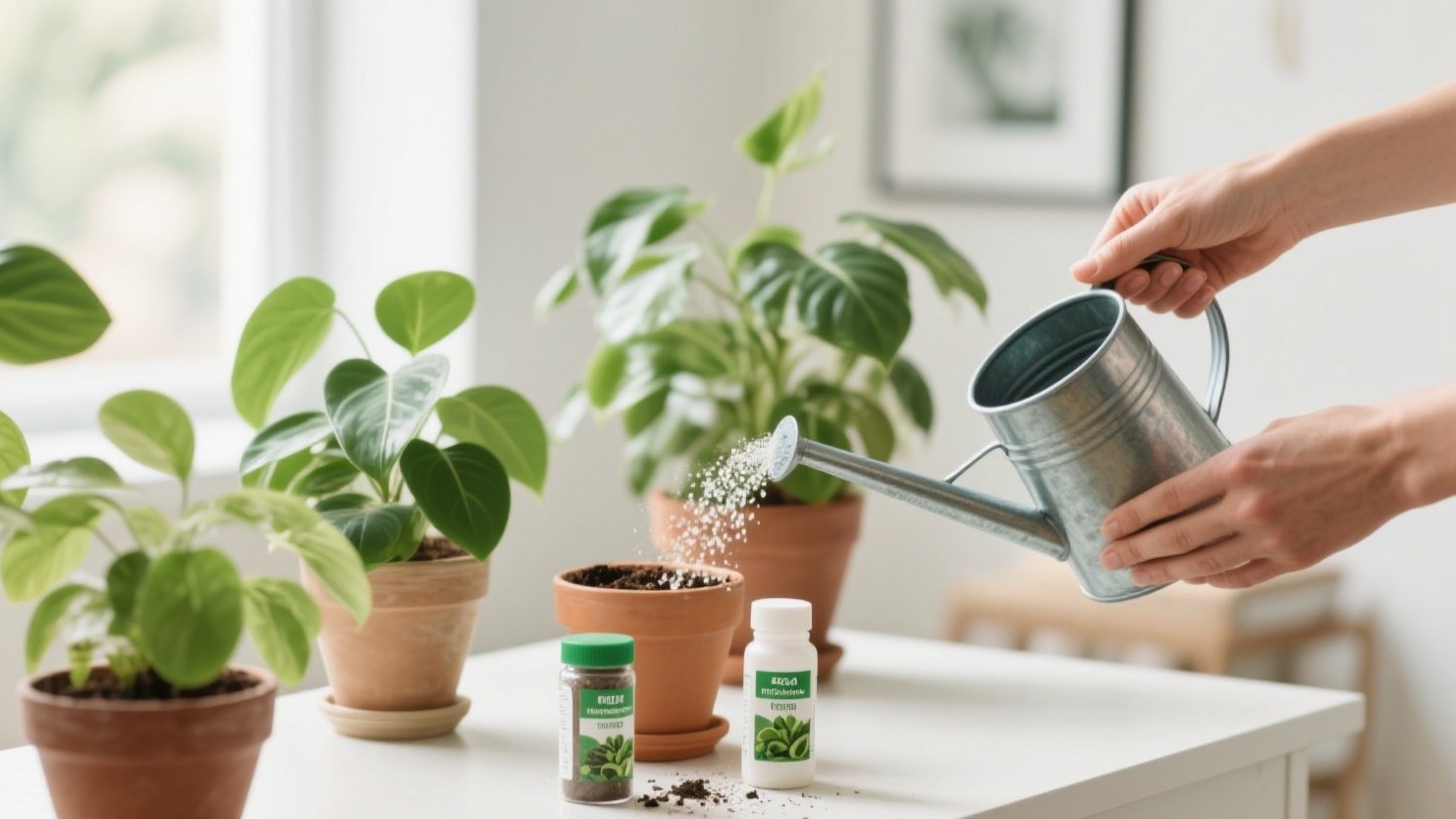
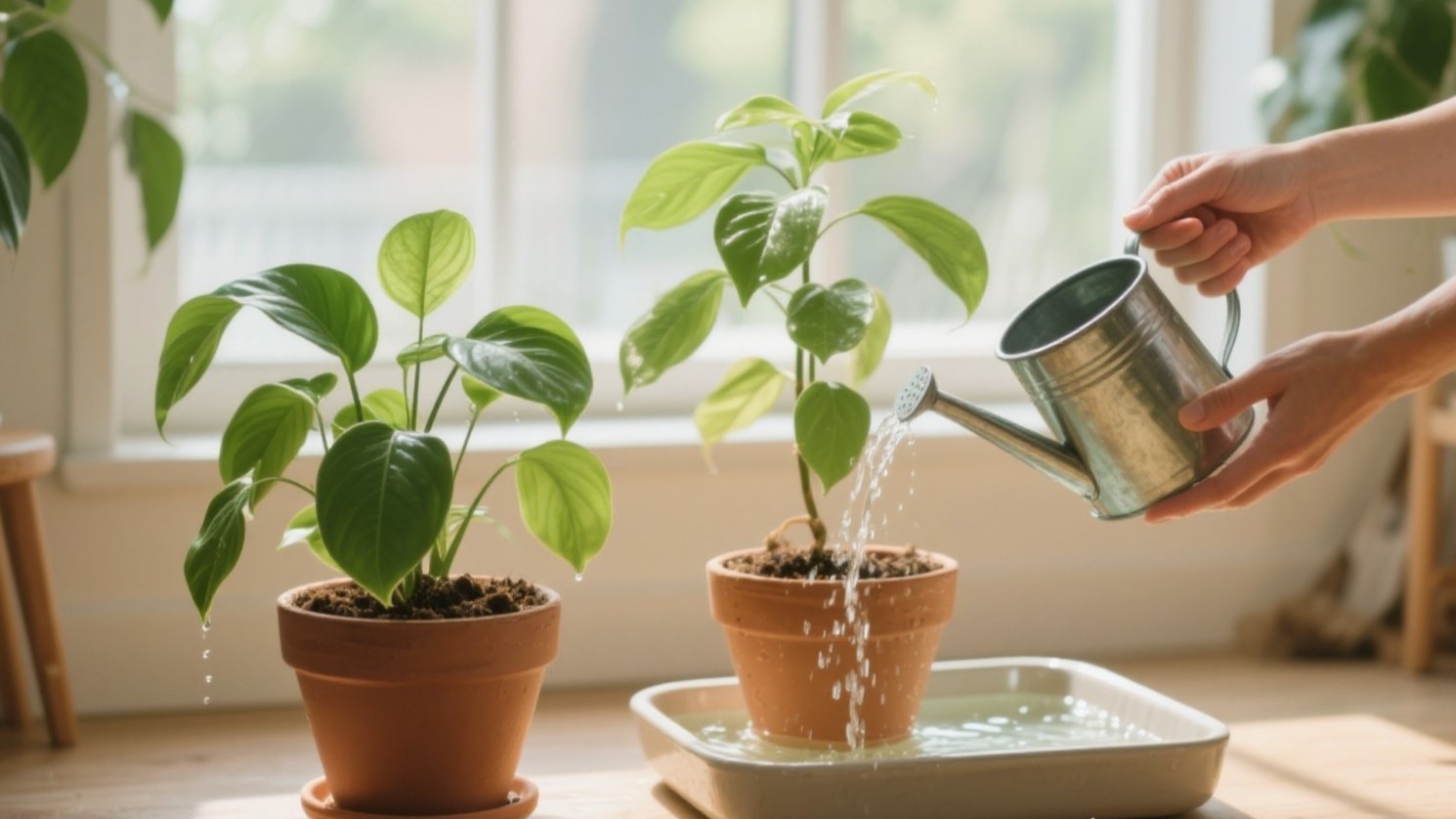
Top watering is the traditional method: pouring water onto the soil surface until it drains from the bottom of the pot.
Pros:
- Even water distribution: Ensures the entire root zone receives moisture.
- Flushing salts: Helps remove excess fertilizer salts that accumulate in the soil.
- Flexibility: Works for most plant types and pot sizes.
Cons:
- Surface wetting: Can lead to water sitting on the topsoil, promoting fungal growth.
- Potential for overwatering: Especially in dense soils or pots with poor drainage.
Reddit insight:
“I always top water my ferns because the soil surface absorbs the water better. But I make sure the pot drains well — otherwise, roots rot fast.”
Best for: Plants that benefit from surface moisture, like ferns, calatheas, and peace lilies.
What Redditors Say About Bottom Watering
Bottom watering involves filling a saucer or tray under the pot with water, allowing the soil to wick moisture up through drainage holes.
Pros:
- Encourages deep roots: Roots grow downward to access water.
- Prevents overwatering: Soil only absorbs what it needs, reducing the risk of waterlogging.
- Reduces leaf wetting: Ideal for plants prone to leaf rot or fungal issues.
Cons:
- Slower absorption: Can take 10–30 minutes for water to reach the topsoil.
- Doesn’t flush salts: Fertilizer buildup can occur if bottom watering is used exclusively.
- Not ideal for dry-surface-loving plants: Some plants prefer moisture near the surface.
Reddit insight:
“I use bottom watering for my African violets. The leaves never get wet, and the soil wicks up water just fine. I only flush the soil occasionally with top watering to prevent salt buildup.”
Best for: African violets, succulents in small pots, orchids, and any plant sensitive to wet foliage.
How to Decide Which Method Works for Your Plant
Redditors often recommend considering plant type, pot size, and soil moisture:
- Plant type:
- Shallow-rooted plants or those that like moist tops (ferns, calatheas) → top water.
- Deep-rooted or leaf-sensitive plants (violets, orchids, succulents) → bottom water.
- Pot size and drainage:
- Large pots or poorly draining soil → prefer top watering to ensure water reaches all roots.
- Small pots with excellent drainage → bottom watering works well.
- Soil moisture monitoring:
- Use your finger, moisture meter, or lift method to check soil.
- If surface soil is dry but bottom is moist, skip top watering.
- If soil is completely dry, top watering ensures thorough saturation.
Redditor Tips for Combining Methods
Many plant enthusiasts find hybrid approaches effective:
- Alternate watering: Bottom water weekly, top water monthly to flush salts.
- Spot water: Use top watering for thirsty areas, bottom watering for hydration maintenance.
- Adjust by season: Bottom watering in winter to prevent overwatering, top watering in summer when soil dries faster.
“I mix methods depending on the plant. Fiddle leaf figs get top water because they like moisture near the surface, but my African violets get bottom water every time — works like a charm.”
Practical Steps for Bottom Watering Success
- Place the pot in a shallow tray of water.
- Let water soak for 10–30 minutes, depending on soil type and pot size.
- Remove the pot once the soil surface feels moist.
- Allow excess water to drain completely before returning to its saucer.
Pro tip: Repeat top watering occasionally to flush salts and provide nutrients.
Practical Steps for Top Watering Success
- Pour water evenly over the soil surface until it drains from the bottom.
- Avoid pouring directly on the crown or leaves.
- Discard excess water from saucers to prevent root rot.
- Use room-temperature water to prevent shock.
Final Thoughts
Both top watering and bottom watering have their place in a houseplant care routine. Redditors emphasize observing your plants, understanding their natural preferences, and adjusting methods seasonally.
- Top watering → best for surface-loving or nutrient-flushing plants.
- Bottom watering → ideal for moisture-sensitive leaves, succulents, and small pots.
- Combination → often the healthiest solution for indoor greenery.
By using the right method at the right time, your plants thrive, roots stay healthy, and overwatering stress becomes a thing of the past.