Nothing beats the satisfaction of homegrown produce. But gardeners often encounter a familiar problem: harvest overload. You plant a bumper crop of lettuce, and suddenly, your fridge is overflowing, salad bowls are piling up, and much of your harvest risks going to waste.
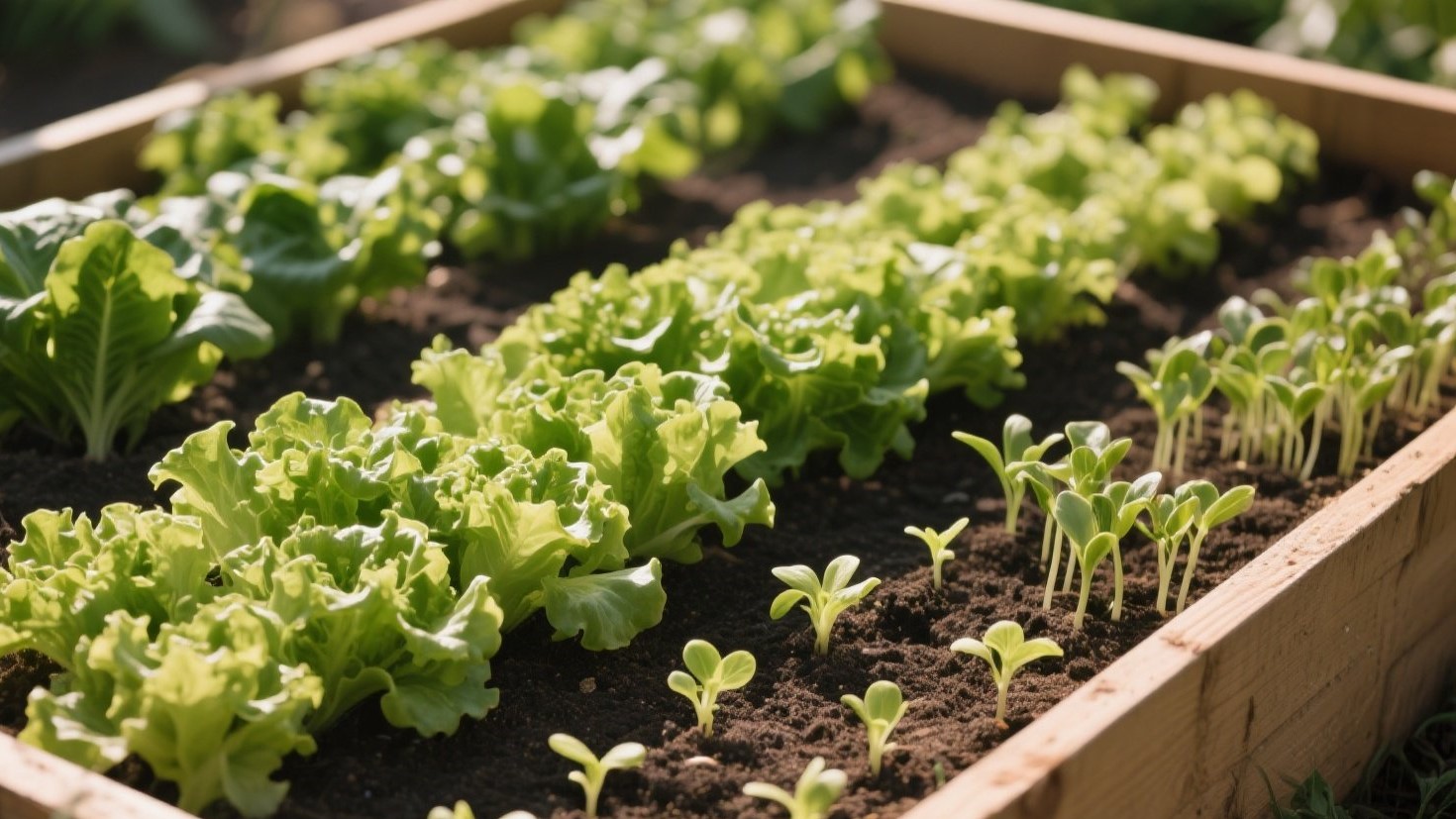
The solution lies in staggered planting, a simple gardening strategy that mirrors portion control — applied not to meals, but to your harvest cycles. By planning planting intervals and understanding growth patterns, you can enjoy a steady supply of fresh greens without drowning in lettuce all at once.
Why Staggered Planting Matters
- Reduces Waste
Lettuce and other leafy greens have a short shelf life. Staggering planting ensures you harvest manageable amounts at a time. - Ensures Continuous Freshness
Instead of eating wilted or over-mature leaves, you enjoy fresh, tender greens every week. - Makes Gardening Less Overwhelming
Smaller, regular harvests are easier to manage than one massive pick-your-own event. - Supports Sustainable Cooking
Staggered harvests align better with meal planning and storage capacity, reducing the likelihood of produce going bad.
How to Stagger Lettuce Planting
Step 1: Determine Your Variety and Growth Time
- Leaf lettuce: 30–45 days to maturity
- Romaine: 60–75 days
- Butterhead: 50–60 days
Step 2: Plan Planting Intervals
- Plant a small batch every 2–3 weeks instead of sowing everything at once.
- For larger beds, divide into sections and stagger sowing across them.
Step 3: Use Successive Planting Techniques
- Alternate plantings of fast-growing and slower-growing varieties to extend the harvest period.
- Consider interplanting with other crops to maximize space and reduce empty soil periods.
Step 4: Harvest Strategically
- Use the “cut-and-come-again” method: harvest outer leaves first while leaving the center to continue growing.
- Harvest only what you can use within a few days to maintain freshness.
Example Staggered Planting Schedule
| Week | Lettuce Variety | Bed Section | Notes |
|---|---|---|---|
| 1 | Leaf Lettuce | Section A | First batch planted |
| 3 | Romaine | Section B | Second batch starts |
| 5 | Butterhead | Section C | Third batch planted |
| 7 | Leaf Lettuce | Section A | Replant first section |
| 9 | Romaine | Section B | Rotate and extend harvest |
With this approach, you’ll enjoy continuous harvests every week or two, reducing the risk of excess and keeping salads fresh.
Tips for Success
- Track Your Planting Dates
A simple garden journal or calendar can prevent accidental simultaneous sowing. - Consider Growth Conditions
Lettuce prefers cooler temperatures; staggering plantings through early spring and late summer can extend availability. - Mix Varieties
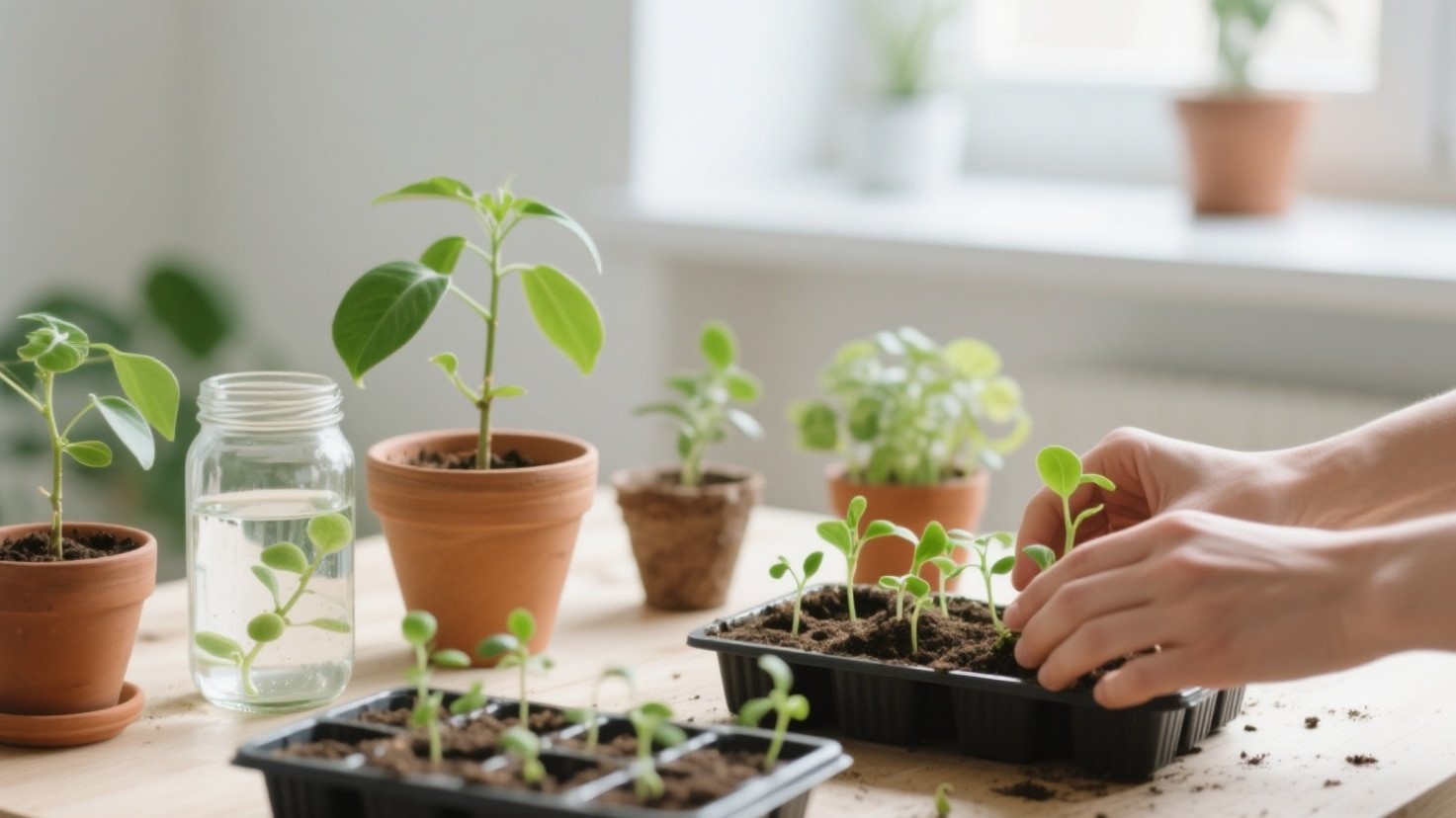
Combining fast- and slow-growing types helps balance harvest volume. - Use Containers for Smaller Batches
If bed space is limited, plant successive batches in pots or trays to control timing. - Plan Meals Around Harvest
Align harvest cycles with your weekly meal plan to ensure nothing goes to waste.
Real-Life Reflections
- Sarah, 47: Staggers her lettuce planting every 2 weeks and now has a weekly supply of salad leaves without leftovers wilting in the fridge.
- Mark, 52: Uses “cut-and-come-again” with Romaine, harvesting just enough for dinners while letting the center continue growing.
- Linda, 55: Combines staggered planting with companion planting, extending her harvest window and maximizing garden space.
Key Takeaway: Staggered planting isn’t just smart gardening — it’s the edible equivalent of portion control. By planning, timing, and harvesting thoughtfully, you can enjoy a continuous, manageable supply of fresh produce.
Final Thoughts
Avoiding lettuce overload is all about timing, planning, and strategy. By planting in intervals, choosing complementary varieties, and harvesting thoughtfully, you can transform your garden into a source of consistent, fresh greens. Staggered planting lets you enjoy the best of homegrown produce without the stress of surplus — the perfect recipe for sustainable, enjoyable gardening.