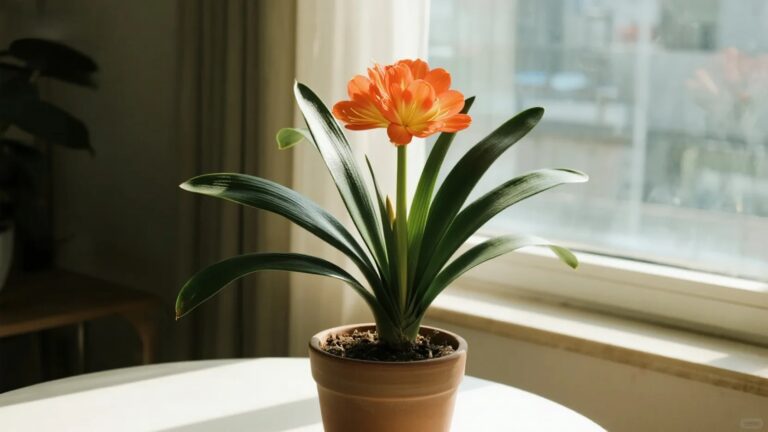
The Clivia, also known as the Kaffir Lily, is a beloved houseplant prized for its elegant strap-like leaves and spectacular clusters of orange or yellow flowers. While it has specific requirements, understanding its natural growth cycle will help you enjoy its beautiful blooms year after year. Here’s your complete care guide.
1. Light: Bright, Indirect Light is Ideal
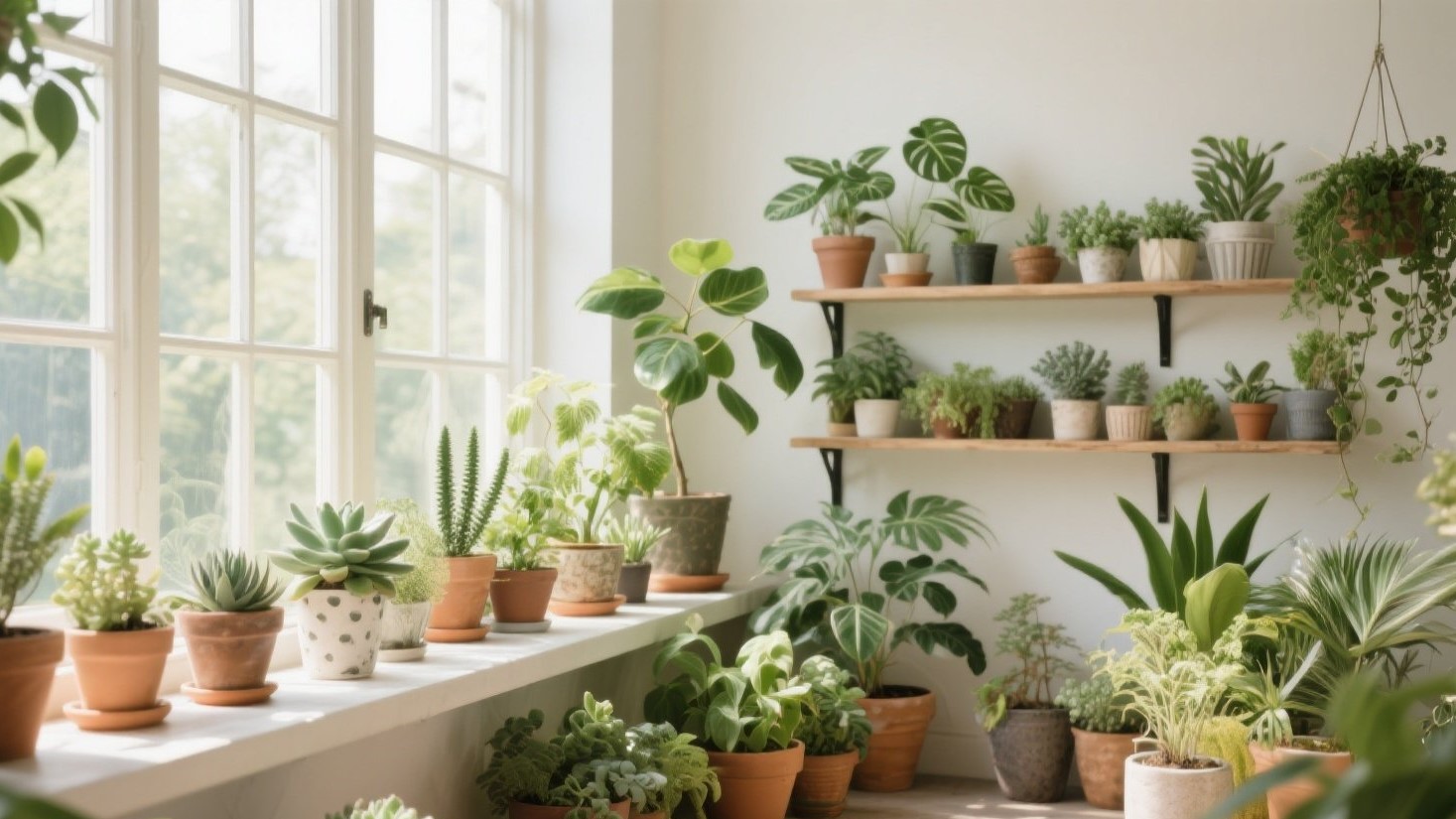
- Place your Clivia in a spot with bright, filtered light such as an east-facing window
- Can tolerate north-facing windows but may grow slower
- Avoid direct afternoon sun that can scorch the leaves
- Rotate the plant regularly for even growth
2. Watering: The “Soak and Dry” Method
- Water when the top 2-3 inches of soil feel dry
- Water thoroughly until it drains from the bottom, then empty the saucer
- Reduce watering significantly during winter dormancy
- Use room-temperature water to avoid shocking the roots
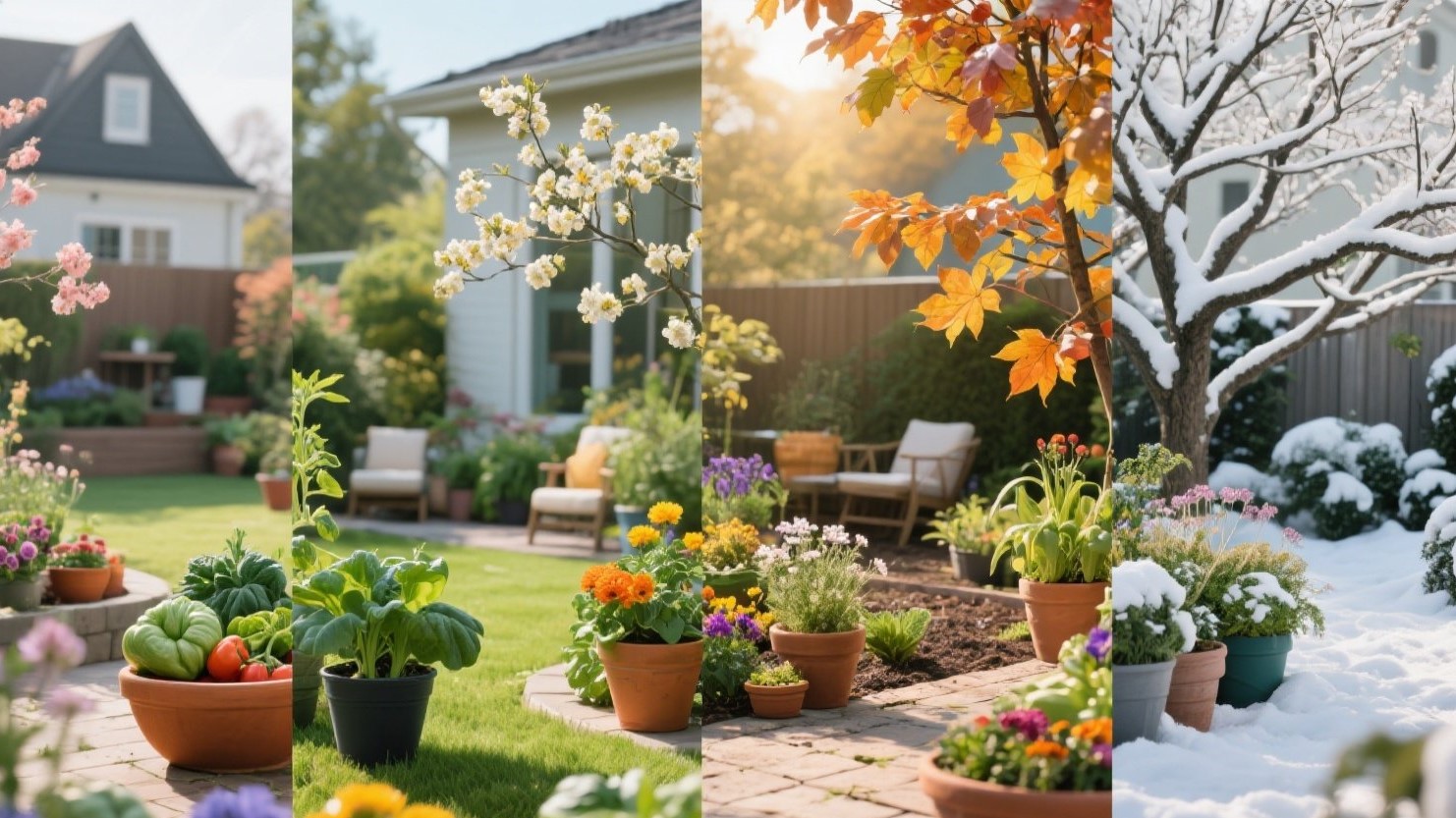
3. Temperature and Seasonal Care
- Ideal Temperature: 60-75°F during active growth
- Winter Rest: Needs 6-8 weeks of cooler temperatures (45-55°F) to trigger blooming
- Summer Care: Can be moved outdoors to a shady spot once temperatures stabilize above 50°F
4. Soil and Potting
- Use a well-draining potting mix with added perlite or orchid bark
- Repot every 2-3 years after flowering, using a container only slightly larger
- Clivias prefer to be slightly root-bound, which encourages blooming
5. Feeding for Healthy Growth
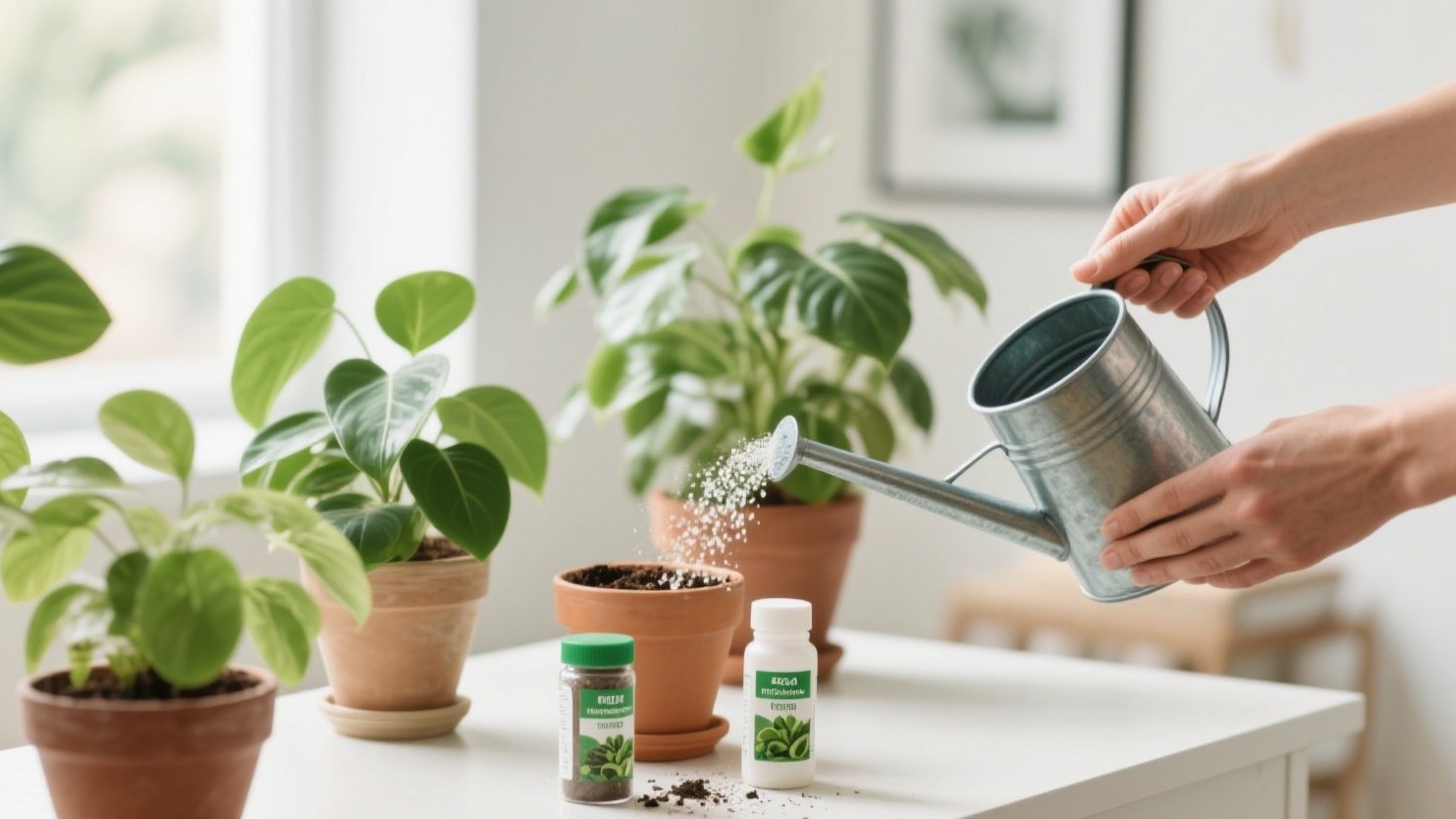
- Growing Season: Feed monthly with balanced liquid fertilizer from spring to fall
- Bloom Boosting: Use a high-phosphorus fertilizer as flower buds form
- Dormant Period: Stop fertilizing during winter rest period
6. Encouraging Blooms
- Maturity: Plants typically need to be 3-4 years old before flowering
- Winter Rest: Essential for flowering – provide cool, dry conditions for 6-8 weeks
- Light: Adequate light during growing season builds energy for flowering
7. Propagation Methods
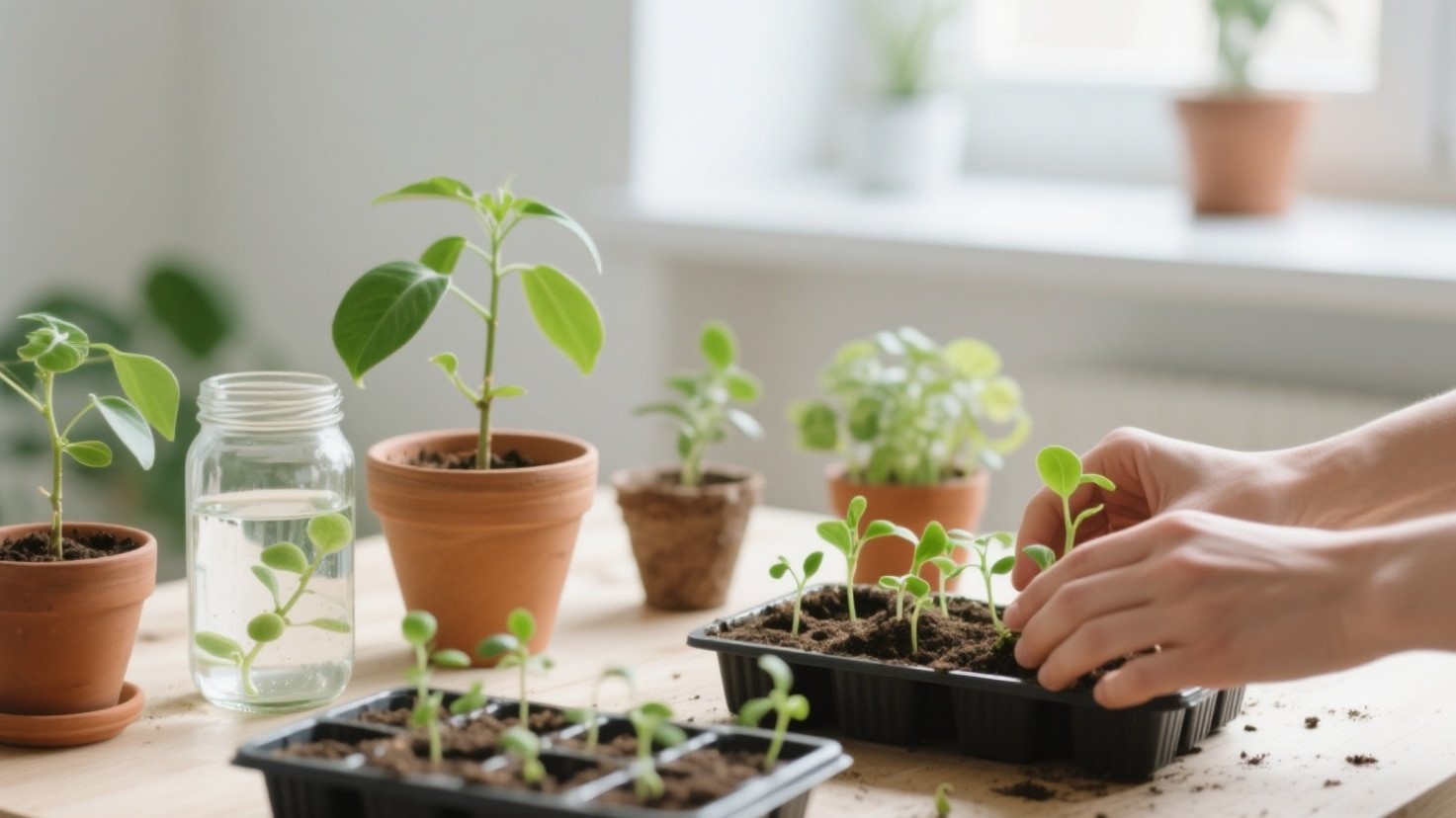
- Division: Separate offsets from parent plant when they have several leaves
- Timing: Best done during repotting after flowering
- Seed Propagation: Takes several years to reach flowering size
8. Common Issues and Solutions
- Yellow Leaves: Overwatering is the most common cause
- Brown Tips: Usually indicates low humidity or chemical sensitivity
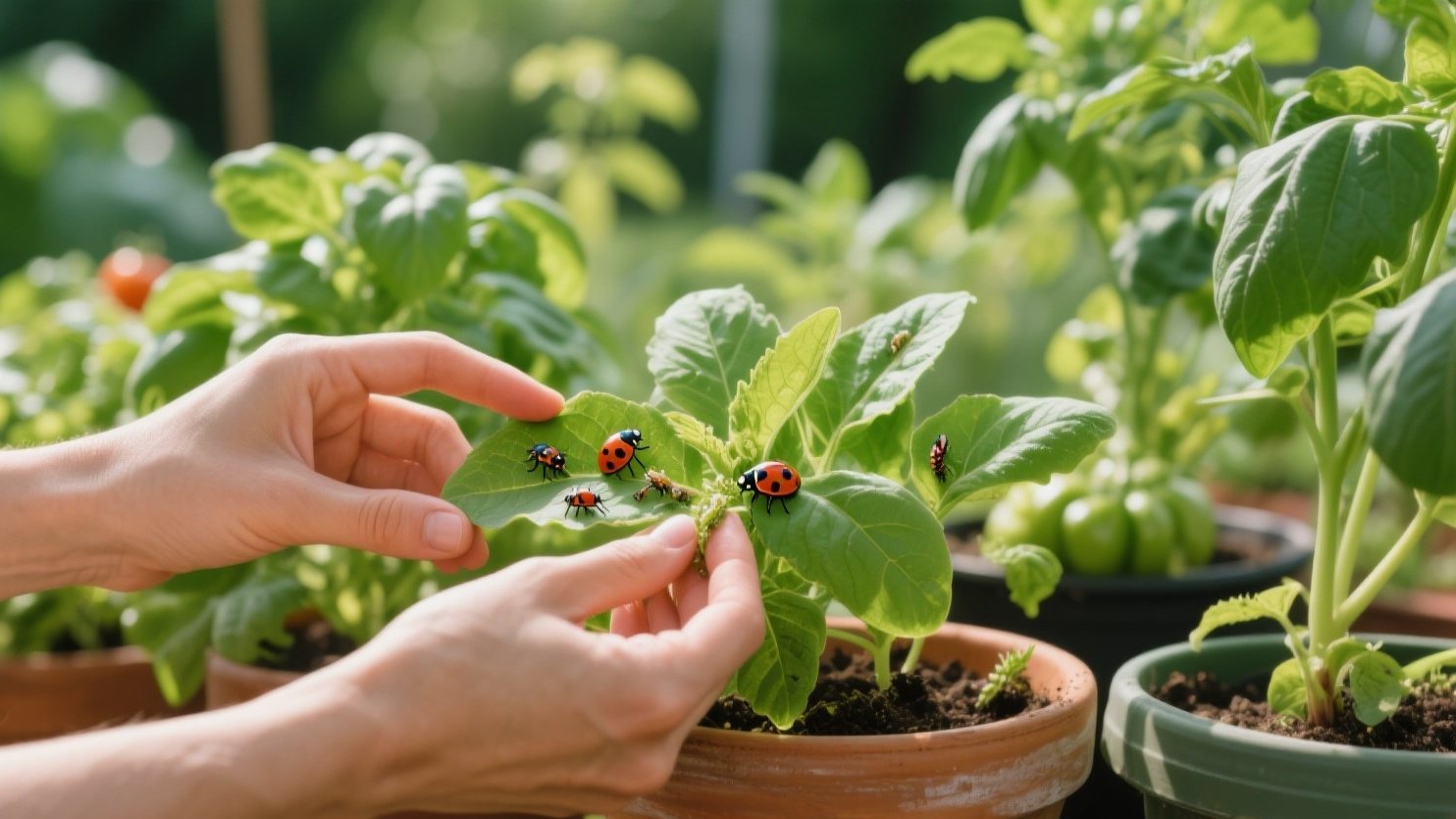
- Pests: Watch for mealybugs; treat with insecticidal soap
- No Flowers: Often due to insufficient winter rest period
9. Long-Term Care Tips
- Cleaning: Wipe leaves periodically to remove dust
- Support: Flower stalks may need staking if they become heavy
- Patience: Clivias are long-lived plants that improve with age
Why Clivia is a Special Houseplant:
- Long-lived: Can thrive for decades with proper care
- Seasonal Interest: Beautiful foliage year-round with spectacular spring flowers
- Air Purifying: Helps remove indoor toxins
- Non-Toxic: Safe around pets and children
Pro Tip: The key to success with Clivia is mimicking its natural seasonal cycle – active growth in warm months followed by a cool, dry rest period in winter. This seasonal rhythm is what triggers the beautiful spring flowering display.
With consistent care and attention to its seasonal needs, your Clivia will reward you with increasingly impressive floral displays each year, making it a truly rewarding plant for patient gardeners.