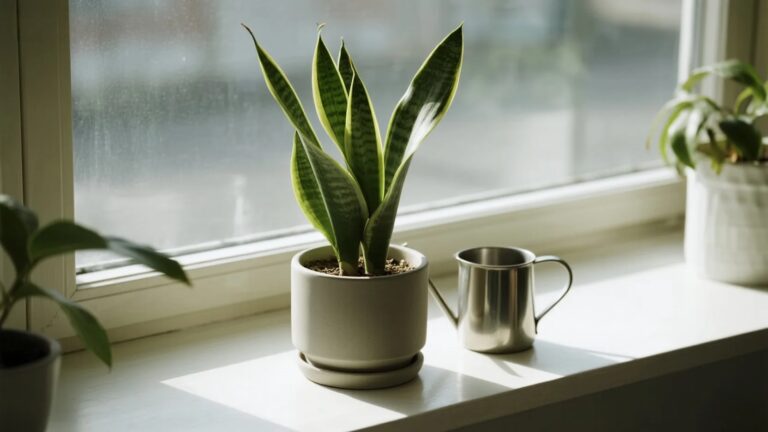
The Snake Plant (Sansevieria), also known as Mother-in-Law’s Tongue, is arguably one of the toughest and most popular houseplants in America. Famous for its striking upright leaves and incredible ability to survive low light and infrequent watering, it’s the perfect plant for beginners and busy plant parents. Here’s how to help your snake plant not just survive, but thrive.
1. Light: It Adapts, But Prefers Bright Light
While snake plants are famous for tolerating low light, they actually prefer bright, indirect light.
- Ideal Spot: Near an east or west-facing window is perfect. It can also handle some direct morning sun.
- Low Light Tolerance: It will survive in darker corners, but growth will be very slow.
- Sunburn Risk: Protect from intense, direct afternoon sun which can scorch the leaves.
2. Watering: The #1 Rule is Don’t Overwater
This is the most common mistake. Think of it as a desert plant.
- Watering Rule: Water only when the soil is completely dry all the way through. Stick your finger 2 inches into the soil; if it’s dry, water.
- How to Water: Water thoroughly until it drains from the bottom, then empty the saucer.
- Seasonal Guide: In summer, this might be every 2-3 weeks. In winter, it might only need water once a month or less.
3. Soil and Repotting: Well-Draining is Key
- Soil: Use a fast-draining cactus/succulent potting mix. Regular potting soil holds too much moisture.
- Repotting: Snake plants like to be slightly root-bound. Only repot every 2-3 years, or when you see roots coming out of the drainage holes. Choose a pot only 1-2 inches wider than the old one.
4. Temperature and Environment
- Ideal Temperature: 70°F to 90°F. Keep away from cold drafts and air conditioning vents.
- Winter Care: Bring indoors well before temperatures drop below 50°F. It will suffer damage if exposed to frost.
5. Feeding: Less is More
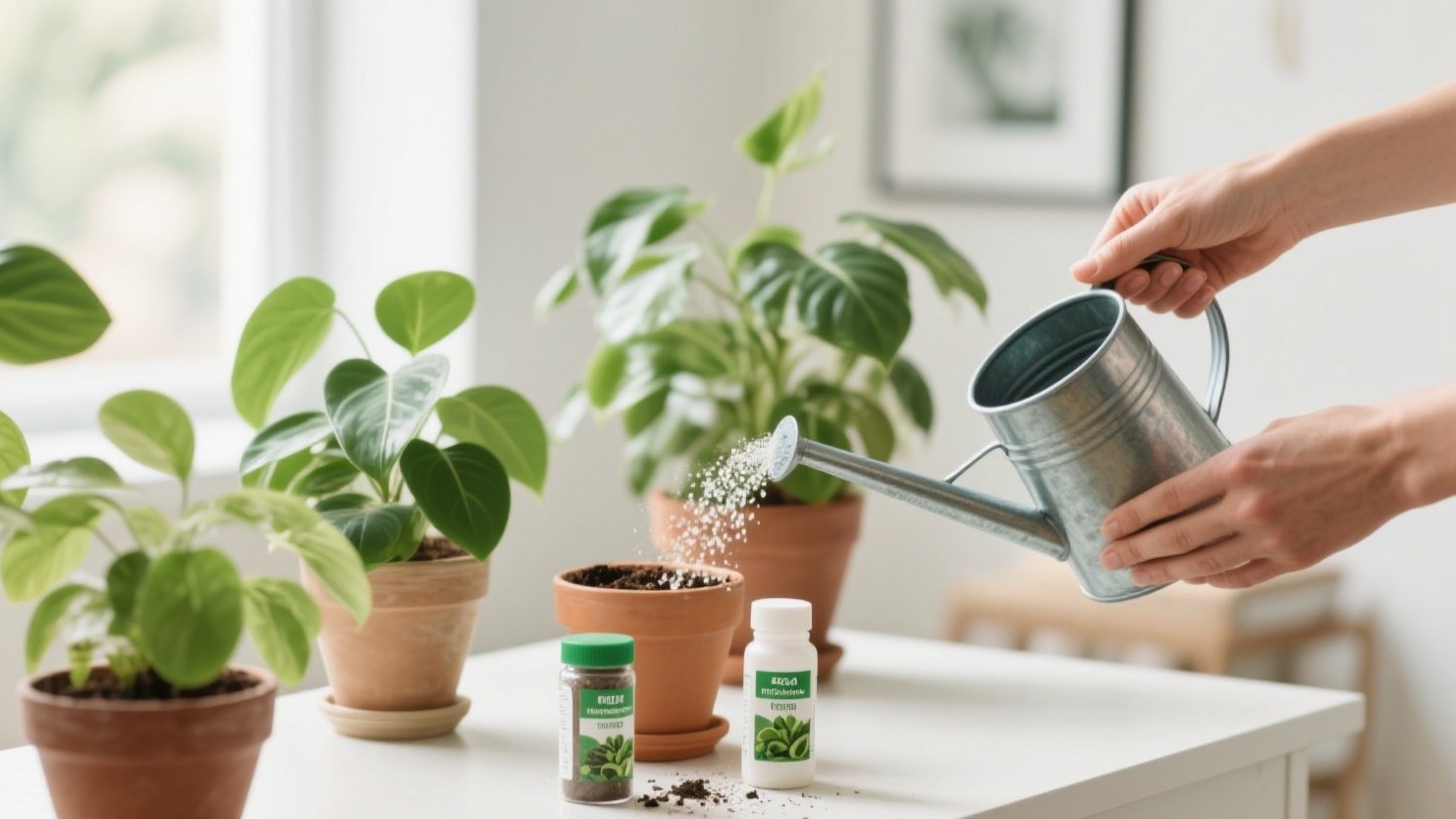
- Fertilizing: Feed lightly with a balanced houseplant fertilizer once in spring and once in summer. Do not fertilize in fall and winter.
- Organic Option: A light topping of compost in the spring provides gentle nutrients.
6. Pruning and Maintenance
- Simply cut off any damaged or overgrown leaves at the soil line using clean scissors.
- Wipe the leaves with a damp cloth occasionally to remove dust and keep them shiny.
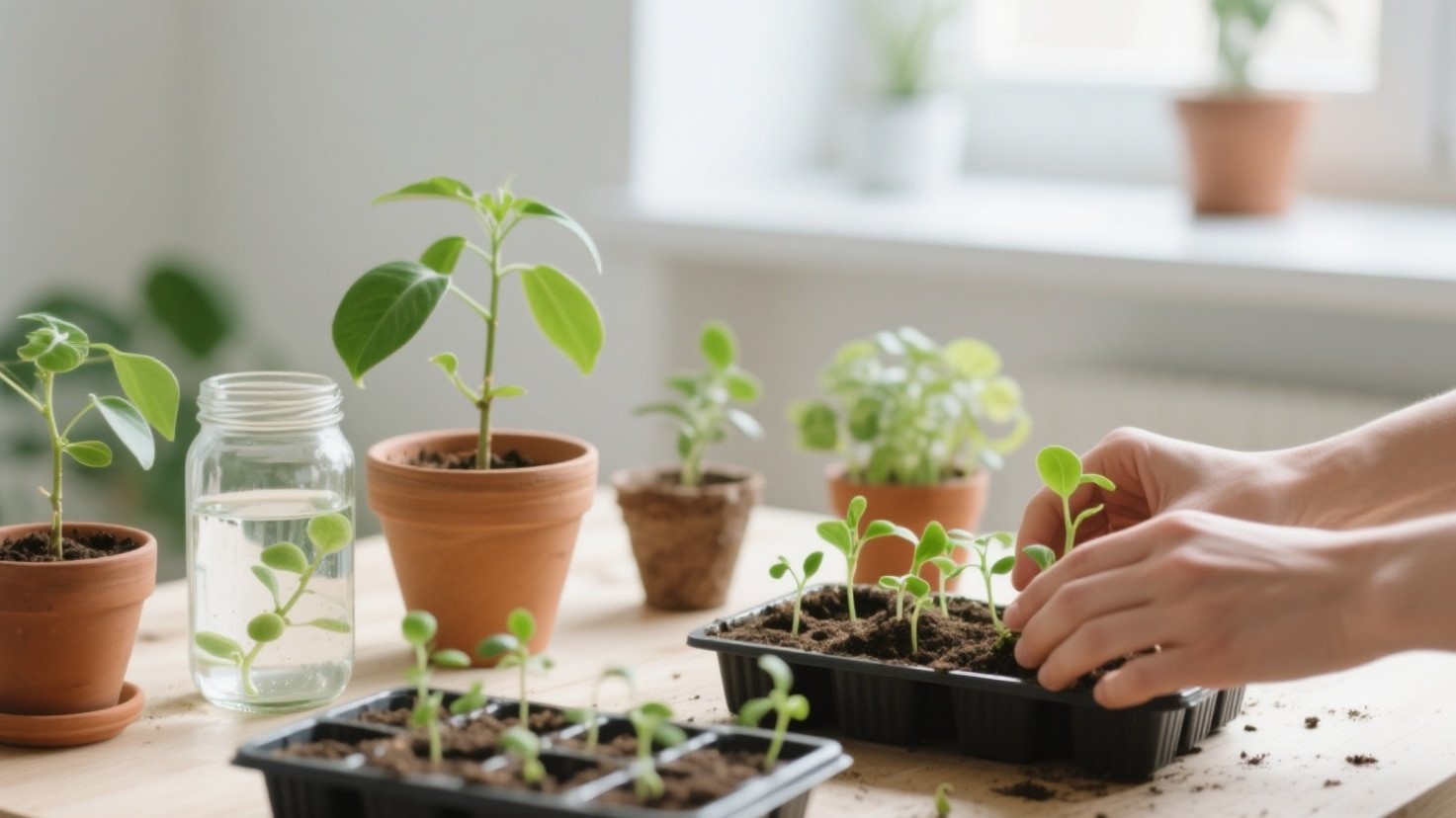
7. Easy Propagation: Make New Plants for Free
The easiest way to propagate is by division:
- When repotting, gently separate a section of the plant with its roots.
- Plant it in a small pot with fresh cactus mix.
- Water lightly and place in bright, indirect light.
You can also propagate from leaf cuttings:
- Cut a healthy leaf into 3-inch sections.
- Let the cut ends dry for a day to form a callus.
- Plant the cuttings in moist cactus mix.
- New roots and a small plant will grow from the base.
Why the Snake Plant is a Great Choice:
- Air Purifier: NASA studies found it helps remove toxins from the air.
- Pet Warning: Mildly toxic if ingested by cats and dogs. Keep out of reach.
- Nearly Bulletproof: It tolerates low light, drought, and generally thrives on neglect.
The secret to a happy snake plant is simple: plenty of bright light, minimal water, and a well-draining pot. With this easy care, your snake plant will be a beautiful, architectural addition to your home for years to come.