The Most Common Plant Owner Panic

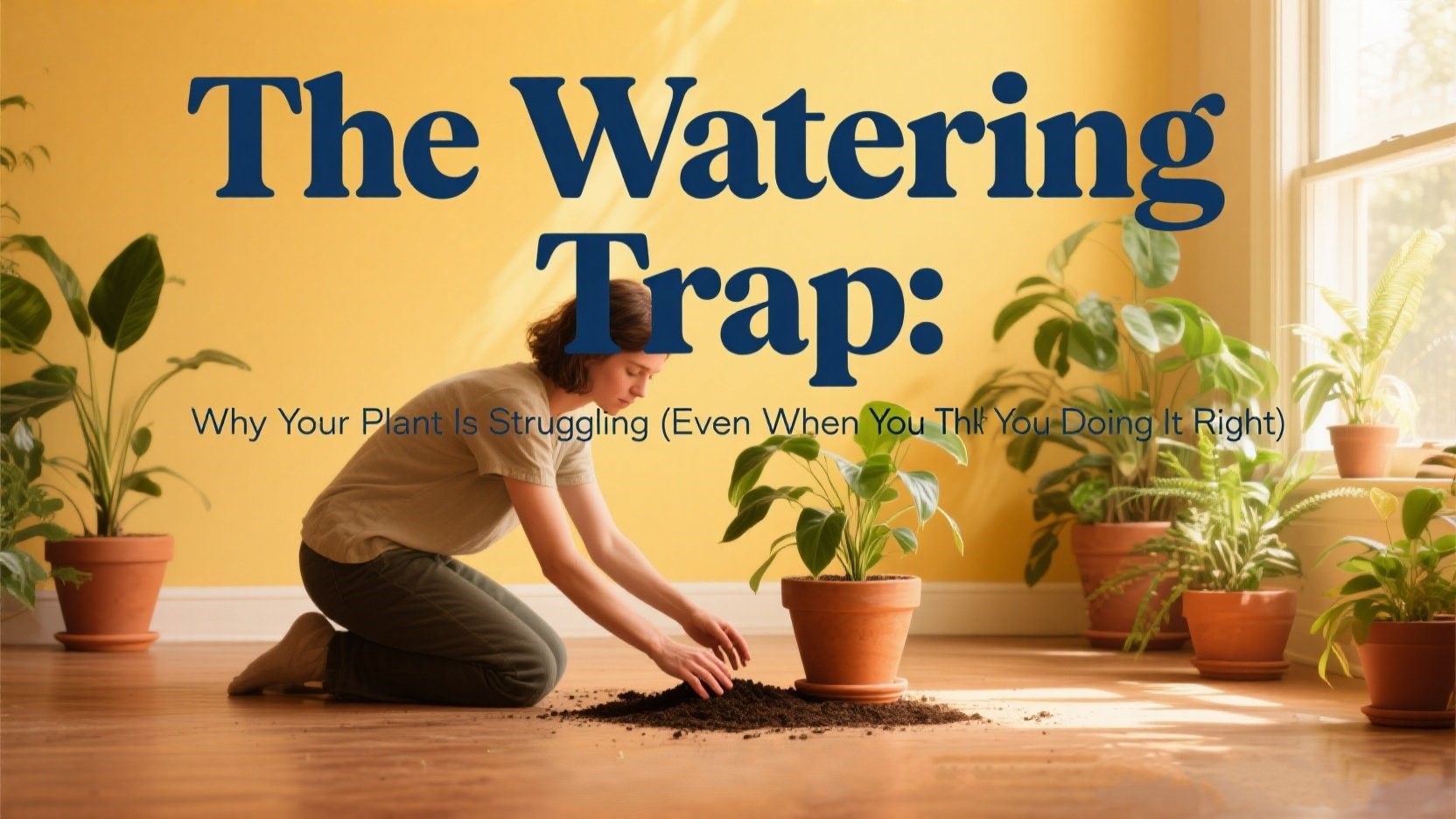
We’ve all been there: you spot droopy leaves, panic, and reach for the watering can. A few days later, your plant looks even worse. The next thought is inevitable — “But I swear I didn’t overwater!” 😩
If that line sounds familiar, you’re not alone. On Reddit’s r/houseplants and r/plantclinic, this is probably the most common cry for help. The truth is, most plants don’t die from neglect — they die from love. Or more precisely, from too much water given with the best intentions. 💔
Understanding why overwatering happens and how to tell it apart from dryness stress can save your plants (and your sanity). Let’s break it down clearly, simply, and with zero guilt.
🌱 1. The Core Problem: Roots Need Oxygen Too
Here’s the surprising truth: plants breathe through their roots. When you overwater, you fill every air pocket in the soil with water — suffocating the roots.
Without oxygen, roots start to rot, bacteria take over, and suddenly your plant can’t absorb nutrients anymore. Meanwhile, the leaves droop, curl, or yellow — looking exactly like they need more water. That’s how many plant owners accidentally make things worse. 😬
💡 Think of it this way:
Overwatered roots = drowning.
Underwatered roots = thirst.
Both cause “sad leaves,” but for totally different reasons.
🌤️ 2. Overwatering vs. Underwatering — The Visual Guide
Let’s make it super easy. When your plant looks sick, check for these clues before grabbing the watering can:
| 💧 Overwatering Signs | 🌵 Underwatering Signs |
|---|---|
| Leaves look yellow or pale | Leaves look dry, crispy, or curled |
| Soil feels wet or heavy even days after watering | Soil feels light, cracked, or dusty |
| Leaves are soft and mushy | Leaves are stiff or brittle |
| You might notice a musty smell | The pot feels feather-light |
| New growth appears stunted or translucent | Growth may pause but leaves remain firm |
🪴 Tip: If you’re unsure which side you’re on, check the soil first — not the leaves. The leaves only tell you something’s wrong; the soil tells you what.
⚖️ 3. The Drainage Test (Your Plant’s Lifesaver)
Before watering again, check your drainage system. Most plant problems start at the pot’s bottom, not the top.
✅ Make sure your pot has drainage holes.
If water pools at the bottom, roots sit in a swamp, even if the top looks dry.
✅ Use breathable soil.
A good mix should feel airy, not compact. Add perlite, coco coir, or bark chips depending on your plant type.
✅ Empty saucers after watering.
Never let your plant “stand” in leftover water.
🌿 Pro tip: You can even lift the pot slightly after watering — if it drips a little, drainage is working.
🧠 4. The Touch & Weight Method — No Fancy Tools Needed
You don’t need a moisture meter to know when to water (though they help). Use your senses:
👉 Finger Test: Stick your finger 2 inches into the soil.
-
Feels damp? Wait.
-
Feels dry? Water.
-
Feels soggy? Drain and let dry out completely.
👉 Weight Test: Pick up the pot.
-
Heavy? It’s still moist.
-
Light? Time for water.
After a few weeks, you’ll recognize the difference instantly — it becomes second nature.
🌿 5. The Rescue Plan: Fixing Waterlogging
If you suspect you’ve overwatered, don’t panic. Here’s how to rescue your plant step-by-step:
-
Stop watering immediately. Give the soil time to breathe.
-
Check drainage holes. Ensure they’re not blocked by compact soil or roots.
-
Gently remove the plant from its pot if rot smells are strong.
-
Inspect roots:
-
Healthy roots = firm and white.
-
Rotten roots = brown, mushy, and smell bad. Trim them carefully. ✂️
-
-
Repot in fresh, dry soil. Use a mix that drains fast but still holds slight moisture.
-
Place in indirect sunlight — avoid harsh rays while it recovers.
🌞 Within a week or two, you’ll notice improvement: leaves will perk up, color returns, and growth resumes.
🌵 6. Bonus: Avoid the Opposite Extreme
Some plant owners, after overwatering once, go too far the other way — they stop watering altogether. The result? The soil becomes hydrophobic (repelling water).
If water runs straight through without soaking in, your soil is too dry. Fix it by:
-
Soaking the pot base in a bowl of water for 10–15 minutes.
-
Letting the soil rehydrate evenly before resuming normal watering.
Balance, as always, is the secret. 🌿⚖️
🌸 7. Prevention = Peace of Mind
Here’s your quick mental checklist:
-
✅ Always test soil moisture before watering.
-
✅ Use breathable pots (terracotta > plastic for airflow).
-
✅ Match watering habits to plant type (cacti ≠ ferns).
-
✅ Monitor environmental shifts — heat, humidity, and light all change moisture needs.
-
✅ Trust patterns, not strict schedules.
Watering is less about routine and more about relationship — learning your plants’ rhythms until care feels intuitive, not stressful. 🌱💚
💬 Final Thought: The Calm in Observation
Every plant teaches patience.
When you stop guessing and start observing, watering becomes an act of connection — not anxiety.
So next time your plant droops, pause before watering. Touch the soil. Feel the weight. Listen. Your plant’s already telling you what it needs. 🌿✨