🌼 Introduction: Why Your Watering Schedule Might Be Wrong
If you’ve ever thought, “I water every Sunday, so my plants should be fine,” — it’s time to rethink that habit. Plants don’t follow calendars — they follow their own natural rhythms. 🪴
Many beginners (and even seasoned plant lovers) make the mistake of watering on a set schedule, not realizing that soil moisture can change daily depending on sunlight, temperature, and humidity. The truth? Learning when your plant actually needs water isn’t about routine — it’s about observation and responsiveness.
So instead of guessing or sticking to “once a week,” let’s learn the real, science-backed ways to tell when your plant is thirsty — without drowning or dehydrating it.
🧠 Step 1: Understand What “Thirst” Looks Like

Plants communicate — just not in words. Here’s how they tell you they’re thirsty (or not):
-
🌿 Drooping Leaves: A classic sign, but check carefully. Some plants naturally “rest” their leaves during the day.
-
🍂 Crispy or Curling Edges: This often signals dehydration — but if the leaves are mushy instead, that’s overwatering.
-
🪵 Light, Dry Soil Surface: Soil that looks pale and crumbly is often dry below, too.
-
🍃 Leaf Dullness or Wrinkling: Many leafy plants lose their shine and firmness when low on moisture.
Remember: symptoms can look similar for underwatering and overwatering, so never assume — always test before adding water.
💡 Step 2: Try the Finger Method — Simple and Reliable
The easiest way to check your soil’s moisture is to get your hands dirty. Literally.
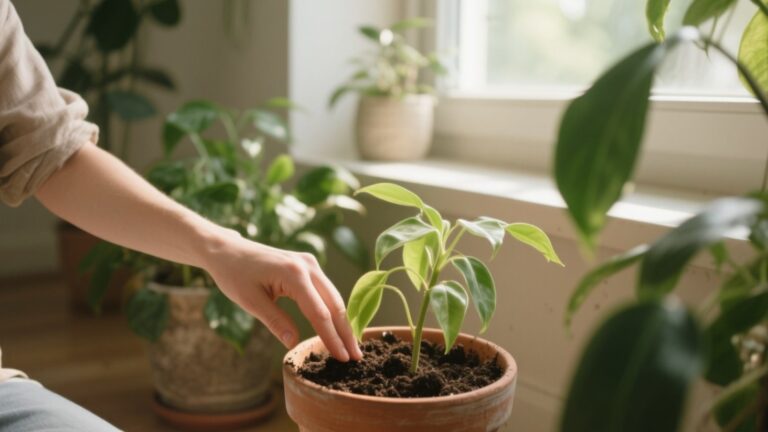
👉 Insert your finger about 2 inches deep (roughly the first knuckle) into the soil.
-
If it feels cool and slightly damp, your plant’s fine — wait before watering.
-
If it feels dry or powdery, it’s time to water.
-
If it feels soggy or sticky, you may need to improve drainage before watering again.
For small pots or delicate plants, use a wooden stick or chopstick instead. If it comes out dark or with soil sticking to it, the plant still has enough moisture.
⚖️ Step 3: Learn the Weight Test — A Game-Changer
This method is popular on Reddit because it works across all plant types.
Pick up your pot after watering and remember its heaviness. Then, lift it again after several days.
-
A light pot means the soil has dried out — time to water.
-
A heavy pot means moisture is still trapped below the surface.
🪴 Pro tip: Plastic pots make this test easier to feel. If your plant is in a large ceramic container, try gently tilting instead of lifting.
Over time, your hands will develop an instinct — you’ll “feel” the right time to water without even testing.
🌤️ Step 4: Observe the Environment
Even perfect technique fails if you ignore context. Environment dictates water needs more than anything else:
-
☀️ Hot, Dry Days = Faster Drying. You might water every 3–4 days.
-
🌧️ Cool, Humid Days = Slower Evaporation. Once every 1–2 weeks might be enough.
-
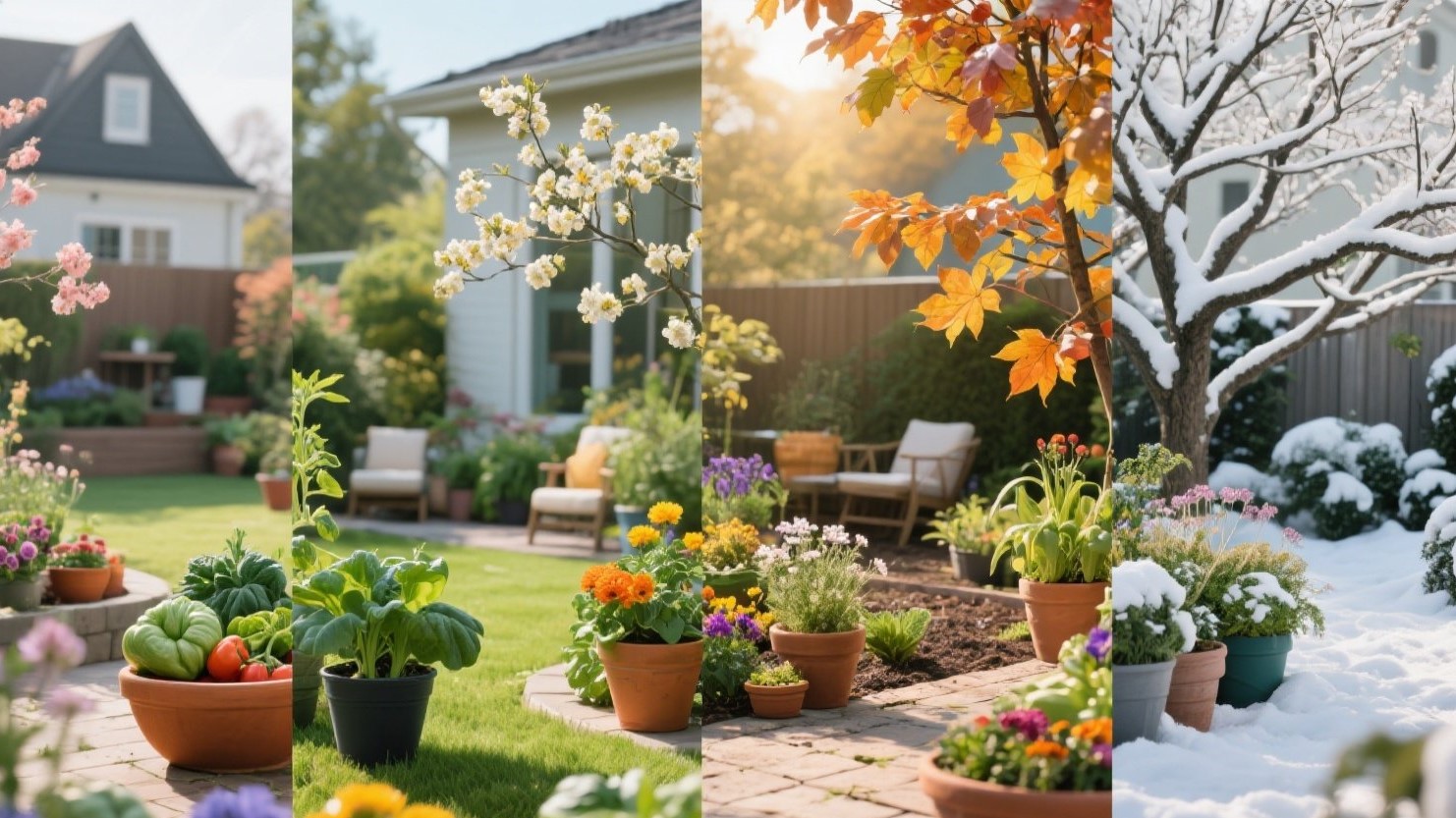
🌿 Active Growth Season = Thirstier Plants. Spring and summer increase demand.
-
🍂 Dormant Season = Reduced Watering. Autumn and winter require restraint.
If your plant sits near a window, heater, or air conditioner, expect different watering needs than a plant in a shaded, stable spot.
🧪 Step 5: Use Tools Wisely (But Don’t Depend on Them)
Moisture meters are convenient but not foolproof. Many Reddit users find them inconsistent because cheap models can corrode or misread mineral-heavy soil.
✅ Best practice: Use your meter as a confirmation tool, not a replacement for touch tests.
✅ Alternative: Smart sensors or hygrometers can offer digital readings for serious plant parents, but they still require observation.
🌿 Step 6: Timing & Technique Matter
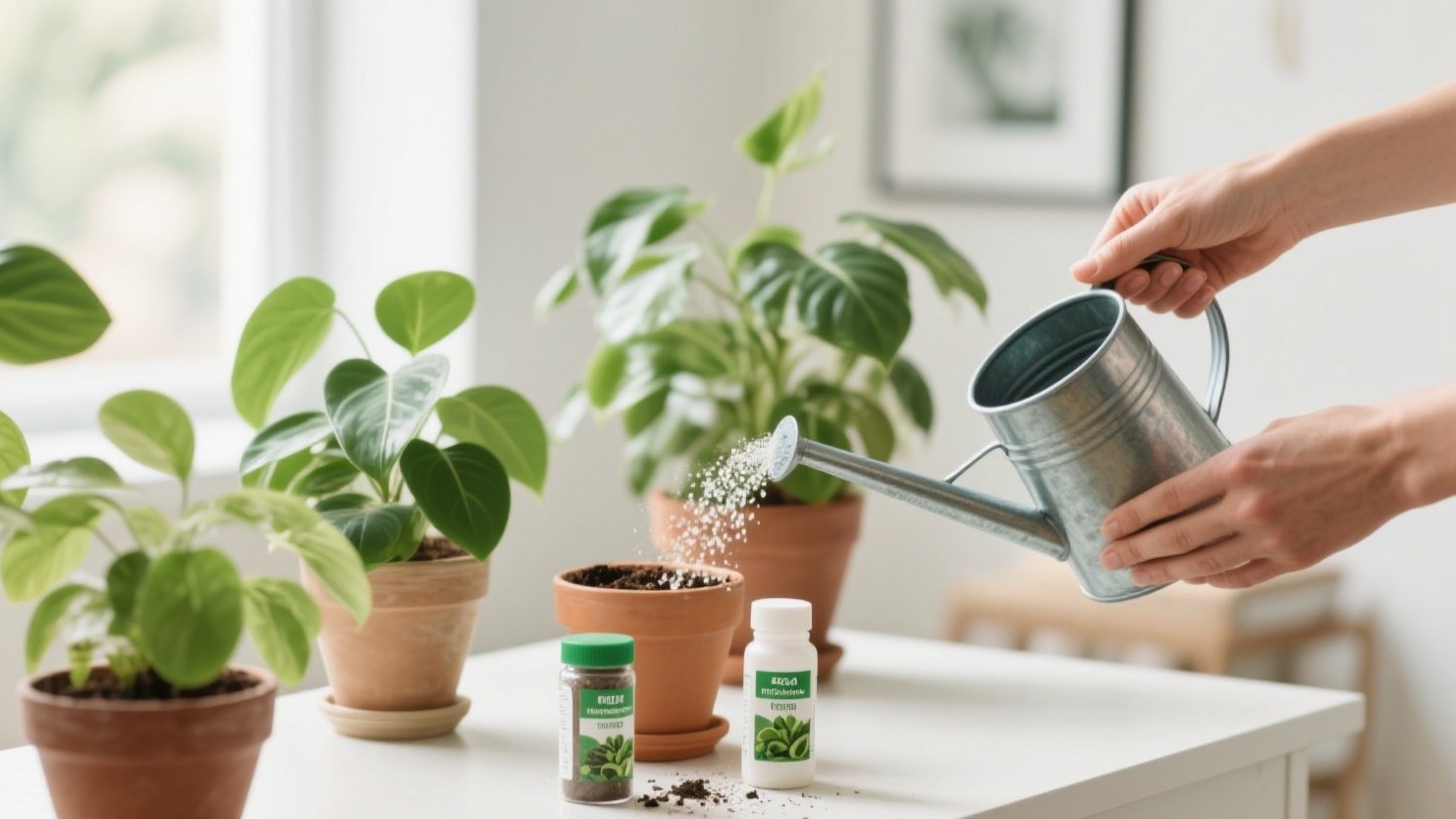
When watering, go slow. Pour gradually until water drains from the bottom holes — this ensures deep hydration. Empty saucers after 10–15 minutes to prevent root rot.
💧 Golden Rule: “Water deeply, but less often.”
Shallow, frequent watering encourages weak roots, while deep, spaced-out watering builds resilience.
🌻 Step 7: Track and Adjust
Keep a watering journal for your plants. Note dates, weather, and plant reactions. You’ll start to notice patterns — for example, “My Monstera droops after 8 dry days in summer but lasts 12 in winter.”
Soon, you’ll stop relying on strict rules and instead trust your growing intuition — that’s when you’ve mastered watering. 🌱
💬 Final Thoughts
Your plants don’t want routine — they want attention.
By tuning into their cues through soil feel, pot weight, and environmental shifts, you’ll water smarter, not harder. Forget the Sunday schedule — your plants will thank you for it. 💧🌿