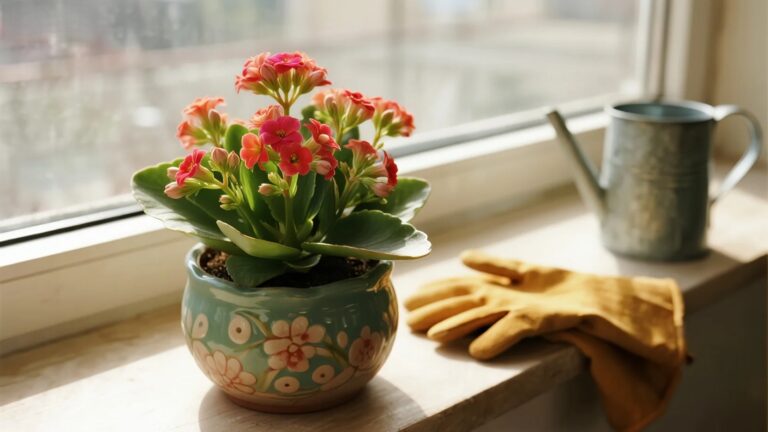
This comprehensive guide delves into the specific cultivation techniques for Kalanchoe blossfeldiana, commonly known as Christmas Kalanchoe. Renowned for its prolific winter blooms and symbolic association with longevity, this plant is a rewarding specimen for dedicated gardeners.
1. Botanical Profile
Originally named the Christmas Kalanchoe, it belongs to the Crassulaceae(Stonecrop) family and the Kalanchoegenus. Its propensity to flower around the Christmas season, coupled with its auspicious symbolism, has cemented its popularity among plant enthusiasts worldwide.
2. Light Requirements: A High-Light Plant
Kalanchoe is an obligate sun-loving plant. For optimal growth and flowering, it requires the highest light intensity available in a household setting.
- Ideal Placement: A south-facing windowsill is paramount. Insufficient light, common in indoor locations away from windows, leads to a cascade of problems:
- Leaf Chlorosis: Loss of rich green color.
- Etiolation: Abnormal, weak growth characterized by elongated stems and wide internodal spacing, making the plant leggy and prone to lodging (falling over).
- Inhibition of Flowering: Significantly reduced bud formation or a complete failure to bloom.
- Summer Management: During the intense summer months, providing partial shade can prevent potential leaf scorch (sunburn). However, it is noteworthy that this plant is remarkably resilient and can often tolerate full sun without permanent damage.
3. Watering Technique: The “Soak and Dry” Method
The cardinal rule is ”When in doubt, wait to water.” Overwatering is the primary cause of failure. Adhere to the following protocol:
- Assessment: Do not water on a fixed schedule. Instead, physically inspect the soil moisture.
- Actionable Rule: Water thoroughly only when the entire soil volume, including the bottom layer, is completely dry to the touch. If the soil is still moist, regardless of how many days have passed, withhold water.
- Seasonal Adjustment: The rate of soil drying varies dramatically with seasons (faster in warm spring/summer, slower in cool autumn/winter). Therefore, adaptive judgment is essential, and rigid “X-day” watering intervals should be avoided.
4. Soil and Repotting Protocol
- Soil Medium: While tolerant of various soil types, including heavy garden loam, it thrives best in a well-aerated, fast-draining potting mix. For container cultivation, a commercial succulent/cactus mix is highly recommended for its optimal porosity and ease of management.
- Repotting Cycle: Repotting every 1 to 2 years is sufficient. Key repotting principles include:
- Soil Consistency: The new potting medium should be similar in composition and density to the old one to avoid moisture management issues (e.g., if the plant was in a porous mix, do not repot into a water-retentive loam).
- Pot Size Increment: Select a new pot only one size larger than the previous one. An excessively large pot holds a greater soil volume that retains water beyond what the root system can absorb, creating a high risk of root rot.
- Timing: Never repot during the flowering period. The stress can cause bud and flower drop. The ideal time is after the blooming cycle is complete.
5. Fertilization Strategy
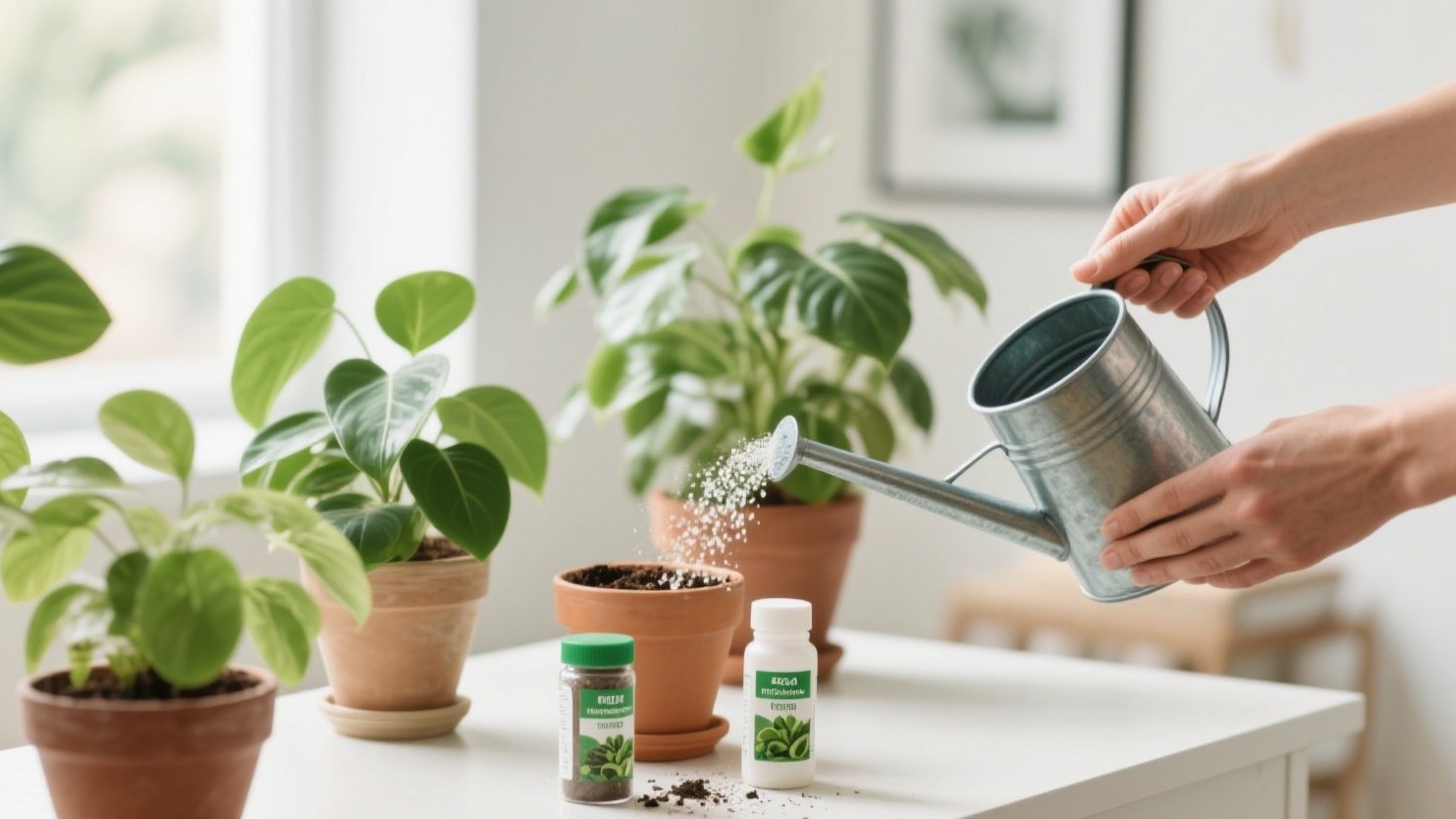
- Active Growth Phase (Leaf, Stem, and Root Development, and Flowering): Apply a fertilizer with a high Phosphorus (P) and Potassium (K) formulation, such as Monoammonium Phosphate (KH₂PO₄). A standard dilution ratio is 1 teaspoon per gallon (approximately 4.5 liters) of water. Apply this solution every 10-15 days to support continuous growth and encourage multiple flushes of blooms.
- Dormancy Phase (High-Temperature Summer): When ambient temperatures consistently exceed 35°C (95°F), the plant’s metabolic activity slows. Cease all fertilization during this period. Concurrently, reduce watering frequency, providing only minimal hydration when the soil is completely dry.
6. Cold Protection
As a plant of tropical origin, Kalanchoe is highly susceptible to cold injury.
- Critical Temperature: When outdoor temperatures fall below 10°C (50°F), the plant must be moved indoors to a protected environment.
- Lethal Temperature: Prolonged exposure to temperatures below 5°C (41°F) will likely cause severe chilling injury or death from freezing.
7. Post-Bloom Pruning for Enhanced Flowering
To promote a bushier habit and more prolific flowering, deadhead spent blooms correctly.
- Technique: Make a clean cut on the flower stalk, just above the first or second leaf node below the withered flower cluster.
- Physiological Effect: This removal of the apical meristem (growing tip) signals the plant to break dormancy in lateral buds, resulting in the development of new flowering shoots—a practice that leads to “more blooms the more you prune.”
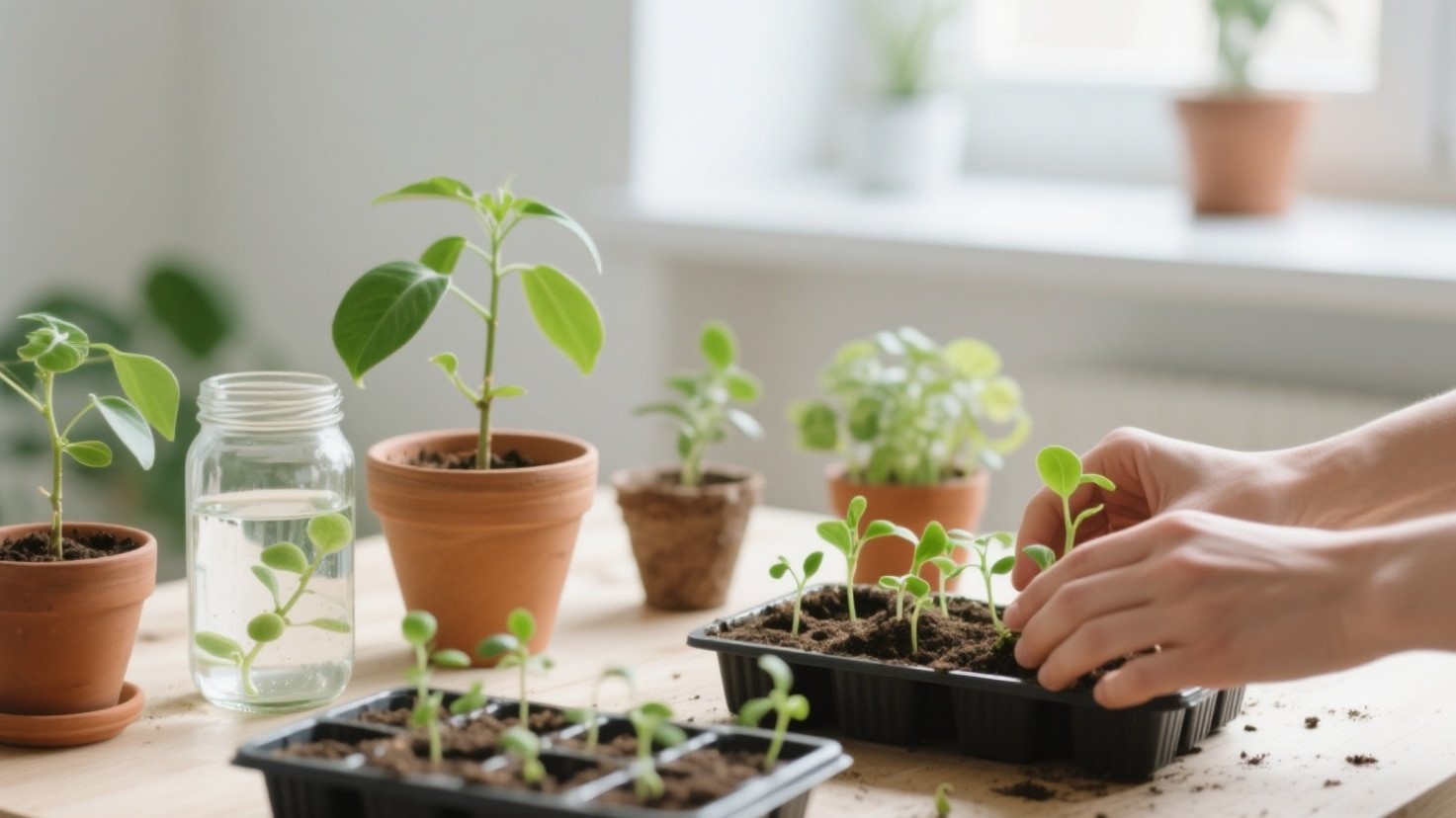
8. Propagation via Leaf or Stem Cuttings
Vegetative propagation is straightforward. Key steps for success:
- Sterile Medium: Always use fresh, sterile potting soil to prevent pathogenic infection.
- Callusing: After taking a cutting (leaf or stem), allow the wound to air-dry for 5-6 hours to form a protective callus. This step is critical to prevent rot.
- Rooting Hormone (Optional but Beneficial): Dipping the cut end in a rooting hormone solution can accelerate root initiation.
- Post-Propagation Care: Insert the callused cutting into moist soil, water thoroughly once, and place the container in a location with bright, indirect light and good ventilation. Maintain a “dry-wet cycle” watering regimen thereafter.
By meticulously following these detailed horticultural practices, you can ensure your Kalanchoe remains vigorous and delivers a spectacular floral display season after season.