🌱 Introduction: The Hard Truth About Plant Growth
It’s natural to want to shelter your plants from the elements — warm them, water them gently, avoid the harsh sun, and shield them from every breeze.
But on Reddit gardening communities like r/IndoorPlants, r/ContainerGardening, and r/PlantNursery, there’s a growing trend that challenges this instinct: stress-conditioning — exposing plants to controlled environmental stress to promote stronger, bushier growth.
Why? Because plants evolved to thrive under stress. Too much pampering, and you get tall, weak stems, floppy leaves, and poor structural growth.
This article dives into why plants need stress, how to apply it safely, and how Reddit gardeners are hardening their plants for optimal growth.
💪 1. The Science of Stress-Conditioning
Stress isn’t harmful in moderation. In fact, it triggers plants to adapt, strengthen, and survive. Key benefits include:
- Thicker Stems: Mechanical stress, like wind or gentle shaking, stimulates lignin production, which strengthens the stem.
- Bushier Growth: Mild stress encourages lateral branching, producing fuller plants.
- Improved Root Systems: Temperature swings and light fluctuations encourage roots to grow more deeply for stability.
- Stress Resilience: Plants that experience varied conditions tolerate drought, heat, and pests better.
Redditors describe it as “plant boot camp”: a little discomfort leads to more robust, happy plants.
“I used to keep my tomatoes under a constant 75°F. Now, I let them experience morning chills and stronger sun, and the stems are twice as thick.” — r/ContainerGardening user
🌬️ 2. Types of Stress Plants Benefit From
✅ a. Wind
- Gentle airflow encourages stem thickening.
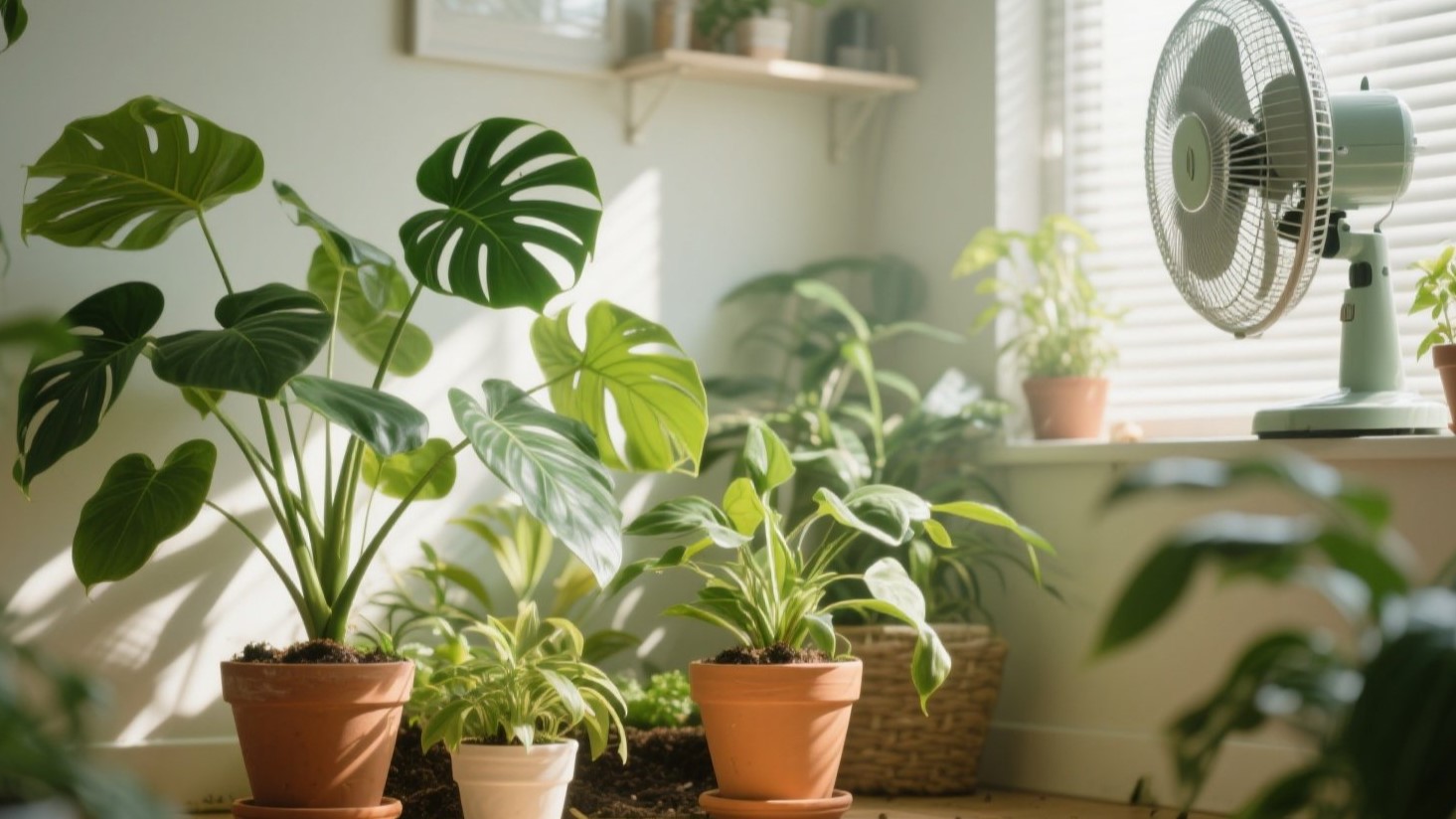
- Indoors: a fan on low speed for a few hours a day works.
- Outdoors: let plants sway naturally; avoid extreme gusts.
🌡️ b. Temperature Swings
- Slight drops or rises mimic natural seasonal shifts.
- Helps plants develop hardier tissues and improves dormancy cycles for perennials.
- Example: Moving potted plants outside for a few hours in cooler mornings.
☀️ c. Light Variability
- Alternating sun exposure strengthens leaves and stems.
- Gradual acclimation prevents sunburn (aka “hardening off” seedlings).
💧 d. Water Fluctuations (Controlled)
- Occasional mild drought trains roots to explore deeper.
- Avoid extremes; the goal is challenge, not shock.
🪴 3. Reddit’s Favorite Stress-Conditioning Techniques
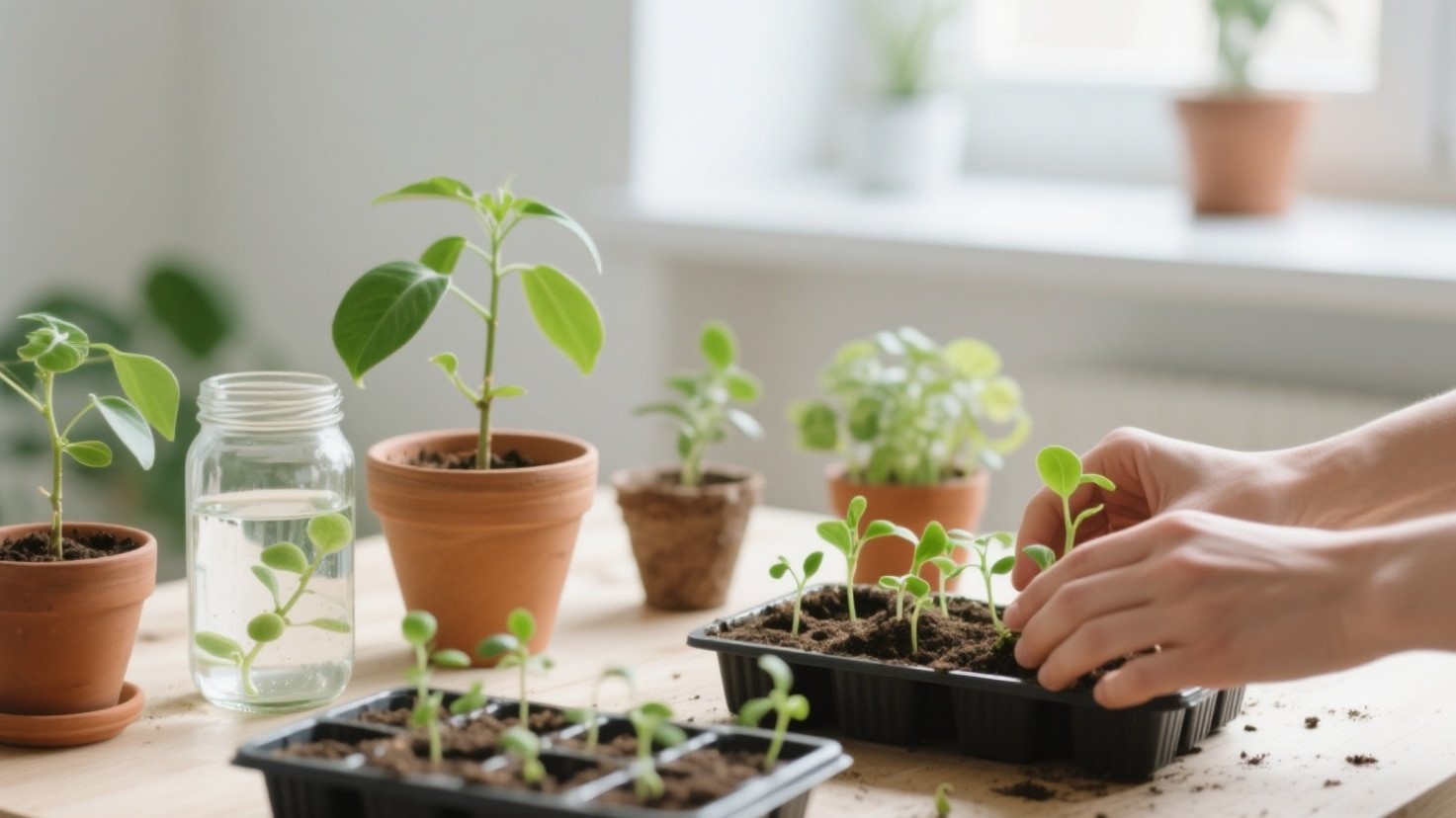
- Hardening Off Seedlings:
- Gradually expose indoor seedlings to outdoor conditions over 7–10 days.
- Start with 1–2 hours of sun or wind, increasing daily.
- Result: sturdier stems, better survival rates.
- Gentle Mechanical Stress:
- Tap or shake stems lightly once a day (Reddit calls it “plant push-ups”).
- Improves lignin production and prevents leggy growth.
- Alternating Sun and Shade:
- Rotate pots to simulate natural light changes.
- Prevents elongated growth from one-direction light sources.
- Temperature Fluctuations Indoors:
- Move plants near slightly cooler windows at night.
- Simulates natural diurnal cycles.
“I started giving my peppers a morning chill and slight fan breeze. Stems thickened within two weeks. It’s addictive watching them toughen up.” — r/IndoorPlants
🌿 4. How Stress Leads to Bushier Plants
Redditors often notice: the more a plant experiences mild, manageable stress, the fuller it becomes.
Mechanism:
- Stress signals trigger auxin and cytokinin regulation → promotes lateral growth.
- Plants shift energy from height to structural robustness.
- Leaves become thicker and stems stronger, reducing breakage risk.
Example: Tomato plants kept in stable indoor conditions vs. slightly stressed outdoors:
- Indoor: 5 ft tall, thin stems, floppy branches.
- Stress-conditioned: 4 ft tall, thick stems, multiple strong lateral branches.
⚠️ 5. Safety Tips for Stress Conditioning
- Start Small: Gradually increase exposure; avoid extremes.
- Monitor Responses: Wilting, yellowing, or leaf scorch = too much stress.
- Know Your Species: Some tropical plants are more sensitive; adapt techniques.
- Water Wisely: Stress-conditioning doesn’t mean starving plants. Keep them nourished.
“I always tell new growers: stress is good, but neglect is not. There’s a line.” — r/PlantNursery
🧠 6. Why This Trend Exploded on Reddit
Reddit gardeners love experimentation. Micro-dosing fertilizer, pruning, and now stress-conditioning all follow the same philosophy:
- Observe carefully
- Introduce small challenges
- Track growth improvements
It’s about science-backed intuition — not just aesthetics. Users share photos of “before and after” plants with thicker stems, bushier foliage, and sturdier growth patterns.
“Watching a plant respond to a fan breeze feels like seeing it hit the gym.” — r/IndoorPlants
🌱 7. Quick Stress-Conditioning Checklist
| Technique | Frequency | Goal |
|---|---|---|
| Fan or gentle breeze | 2–4 hours/day | Thicker stems |
| Morning cool exposure | Daily, short duration | Hardier tissue |
| Gradual sunlight increase | 30 min → full sun | Leaf and stem strength |
| Light water stress | 1–2 days between waterings | Root growth |
| Mechanical touch | 1–2 min/day | Lateral branching |
Consistency is key. Small, repeated stress events trump occasional extremes.
🌿 Final Thoughts: Tough Plants Are Happy Plants
Pampering plants feels right — warm rooms, consistent watering, gentle light — but overprotection leads to weak growth.
Reddit’s hardening trend shows that plants thrive when challenged: they develop thicker stems, bushier foliage, and more resilient roots.
The takeaway?
Stress your plants just enough to strengthen them — your future garden will thank you.