🌸 Introduction: Your Plants Are Talking — Are You Listening?
Ever walked past your plant and thought, “Why do the leaves look a little off today?” 🤔 Maybe they’ve turned a bit yellow, developed brown edges, or started curling at the tips. These are not random quirks — they’re SOS signals from your plants saying, “Hey, I’m hungry!” 🌿💬

Understanding nutrient deficiency signs is one of the most valuable skills a home gardener can learn. Instead of panicking or guessing, you’ll be able to read your plant’s visual cues and respond with the right fix — before it’s too late.
Let’s decode these signs together, color by color. 🎨
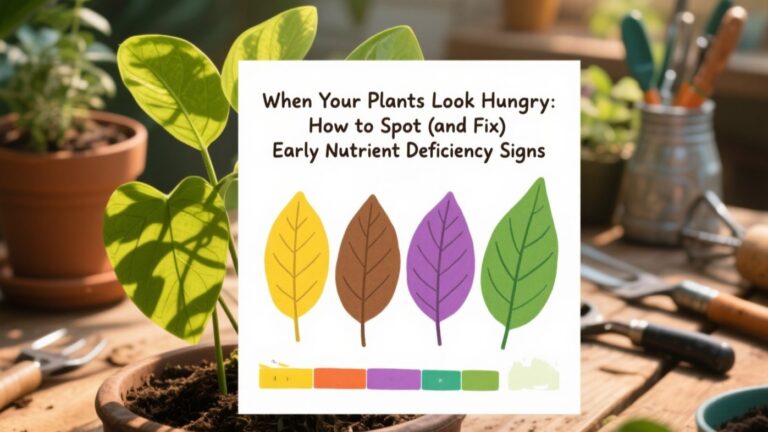
🟡 1. Yellowing Leaves — “I Need Nitrogen!”
When leaves start turning pale yellow, especially the older, lower ones, it often points to a nitrogen deficiency. Nitrogen is vital for chlorophyll production — the pigment that makes leaves green and drives photosynthesis. 🌿☀️
Visual cue:
-
Older leaves turn yellow while new growth stays green.
-
Slow overall growth or smaller leaves.
Quick fix:
-
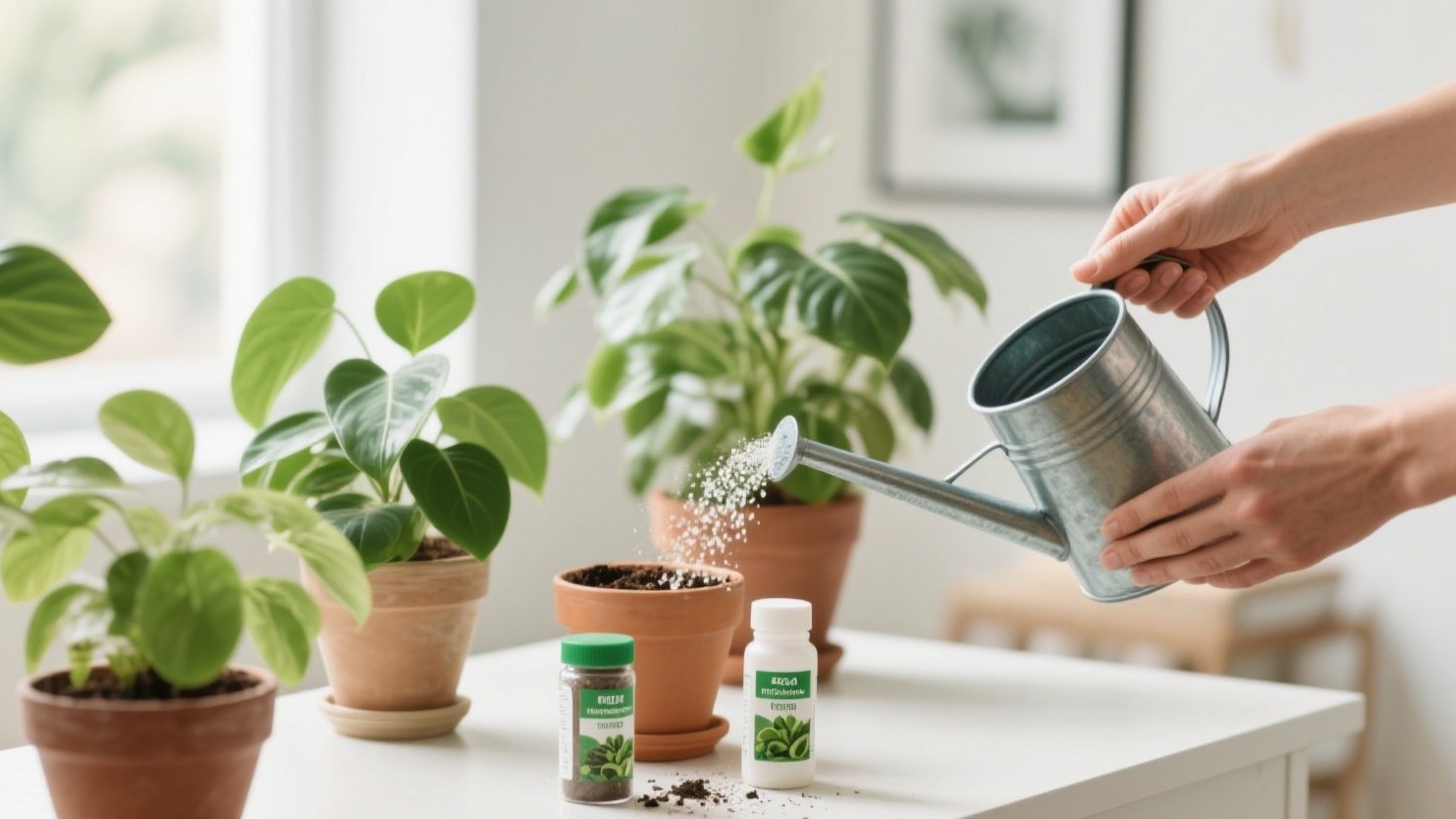
Add a nitrogen-rich fertilizer like fish emulsion, blood meal, or composted manure.
-
For indoor plants, use a balanced liquid fertilizer (10-10-10).
💡 Pro tip: Don’t overdo it — too much nitrogen can make your plant lush but weak, attracting pests.
🟢 2. Pale Green or Translucent Leaves — “I’m Missing Iron or Magnesium!”
If your new leaves are pale green with darker veins, your plant may be lacking iron or magnesium — key nutrients that help chlorophyll formation and energy transfer. 🌱⚡
Visual cue:
-
Yellowing between leaf veins (interveinal chlorosis).
-
Affects newer leaves first (iron deficiency) or older ones first (magnesium deficiency).
Quick fix:
-
For iron, try chelated iron supplements or acidify your soil slightly (pH too high locks iron away).
-
For magnesium, sprinkle Epsom salt (magnesium sulfate) in water — 1 tablespoon per gallon once a month.
💡 Pro tip: Cal-mag supplements are a great one-step solution for hydroponic and indoor setups.
🟤 3. Brown, Crispy Edges — “Too Little Potassium or Too Much Salt”
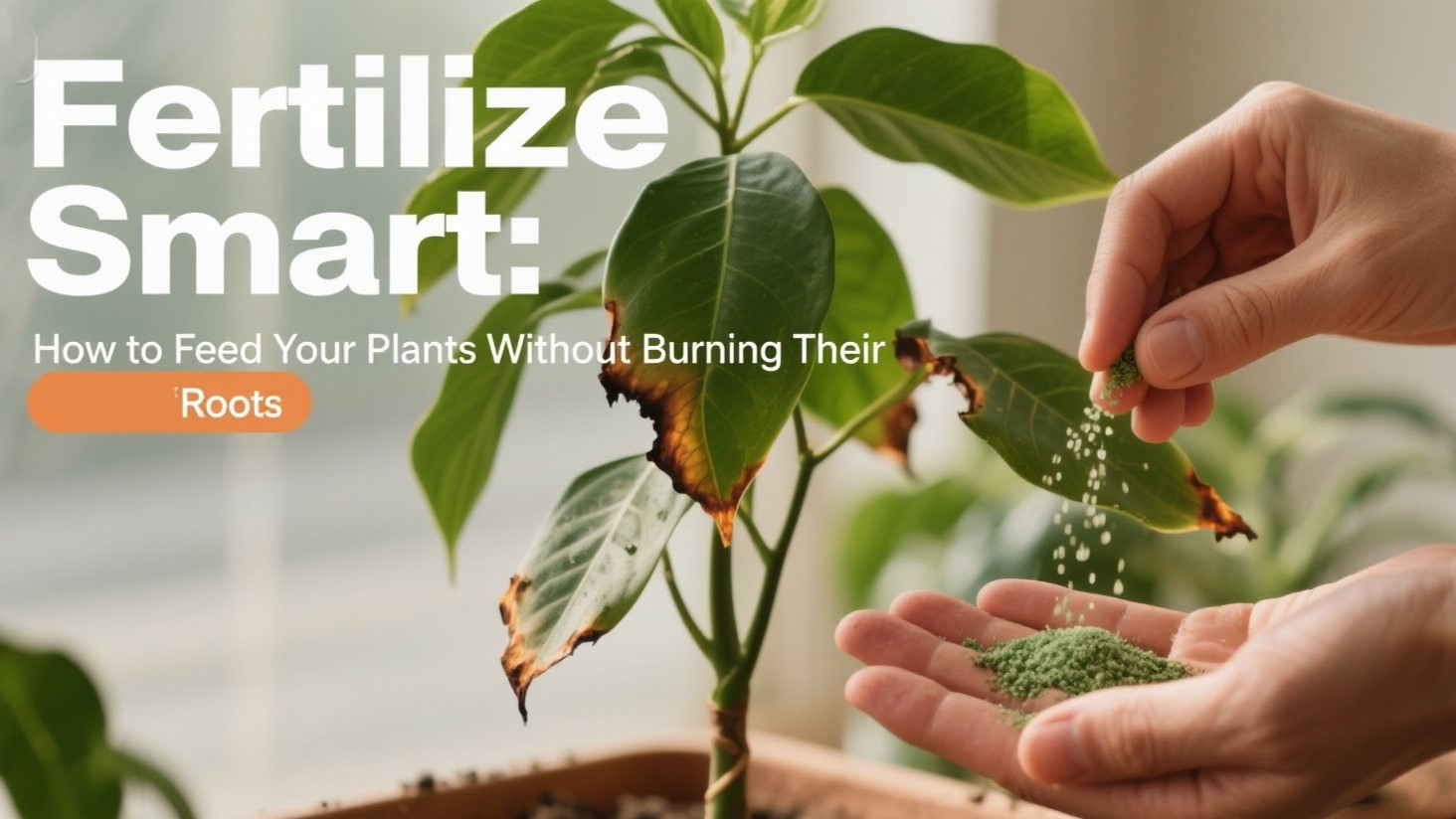
If leaf edges are turning brown or crispy, but the center remains green, this usually signals potassium deficiency 🪴 — though sometimes overfertilizing or salt buildup is to blame too.
Visual cue:
-
Brown or burnt-looking leaf edges.
-
Weak stems, fewer blooms, poor fruiting.
Quick fix:
-
Add a potassium source like kelp meal, banana peel water, or sulfate of potash.
-
Flush soil with clean water to remove excess fertilizer salts.
💡 Pro tip: Plants like tomatoes, peppers, and roses are heavy potassium users — feed them regularly during blooming. 🌺
🟣 4. Purplish Tint on Leaves or Stems — “I Need Phosphorus!”
A subtle purple hue on stems or undersides of leaves is often a phosphorus deficiency indicator — common in cold or compacted soils. 🌾
Visual cue:
-
Leaves may look dark green with purple veins or blotches.
-
Stunted growth or delayed flowering.
Quick fix:
-
Add bone meal, fish meal, or composted manure.
-
For potted plants, try a bloom booster fertilizer with higher middle number (e.g., 5-10-5).
💡 Pro tip: Keep roots warm — cold soil makes it harder for plants to absorb phosphorus.
⚪ 5. Deformed or Curled New Leaves — “I’m Missing Calcium or Boron”
Twisted or crinkled young leaves often point to calcium or boron deficiency, nutrients that regulate cell wall strength and new tissue development. 🌿
Visual cue:
-
Misshapen new leaves, weak stems, or black spots on fruit ends (like blossom end rot).
Quick fix:
-
Add crushed eggshell powder, gypsum, or liquid calcium supplements.
-
Avoid inconsistent watering — it disrupts calcium uptake.
💡 Pro tip: Foliar sprays (spraying diluted nutrients directly on leaves) give faster results for micronutrient deficiencies.
🧪 6. How to Confirm What’s Missing
Visual signs are helpful, but they can overlap. To be sure:
✅ Check your watering habits — overwatering can mimic nutrient problems.
✅ Use a soil test kit — it reveals exact nutrient levels and pH.
✅ Keep a plant journal — record what fertilizer you applied and when.
A quick soil test can save weeks of guessing and revive your plants faster. 🌱🔍
🌼 7. Prevention Is the Best Fertilizer
Healthy plants rarely show deficiency symptoms if you maintain:
-
A balanced feeding routine (every 2–4 weeks during growth).
-
Good-quality potting mix with organic matter.
-
Occasional soil refresh or repotting to restore nutrients.
Remember, plants don’t need constant feeding — they need consistent balance. Think of fertilizer like vitamins: helpful, but only in the right dose. 🌿✨
🌾 Final Takeaway: Learn the Language of Leaves 🍃
Plants speak in color. Once you know what yellow, purple, or brown truly means, you’ll never have to panic over droopy leaves again. Reddit gardeners often say,
“Every plant tells a story — you just need to learn its accent.” 🌱💚
So, next time your Monstera or basil looks “off,” take a closer look — your plant is probably whispering exactly what it needs.