Watering seems like the simplest part of plant care. Yet, for many gardeners, it’s the number one cause of plant decline. The line between a thirsty plant and a drowned one can be surprisingly thin. This guide cuts through the confusion, offering a comprehensive look at how to water correctly, tailored to your plants and your environment.
Part 1: Know Your Plant’s Language (Watering Needs by Type)
There is no one-size-fits-all schedule. The first rule of watering is to understand what your specific plant needs.
- Succulents & Cacti: These desert natives are built to store water. They thrive on a “soak and dry” method.
- How to water: Drench the soil completely until water runs out the drainage holes. Then, allow the soil to become completely dry all the way to the bottom of the pot before watering again. This could take weeks or even months in winter.
- Signs of trouble: Overwatering causes mushy, translucent, yellowing leaves. Underwatering causes shriveled, wrinkled leaves.
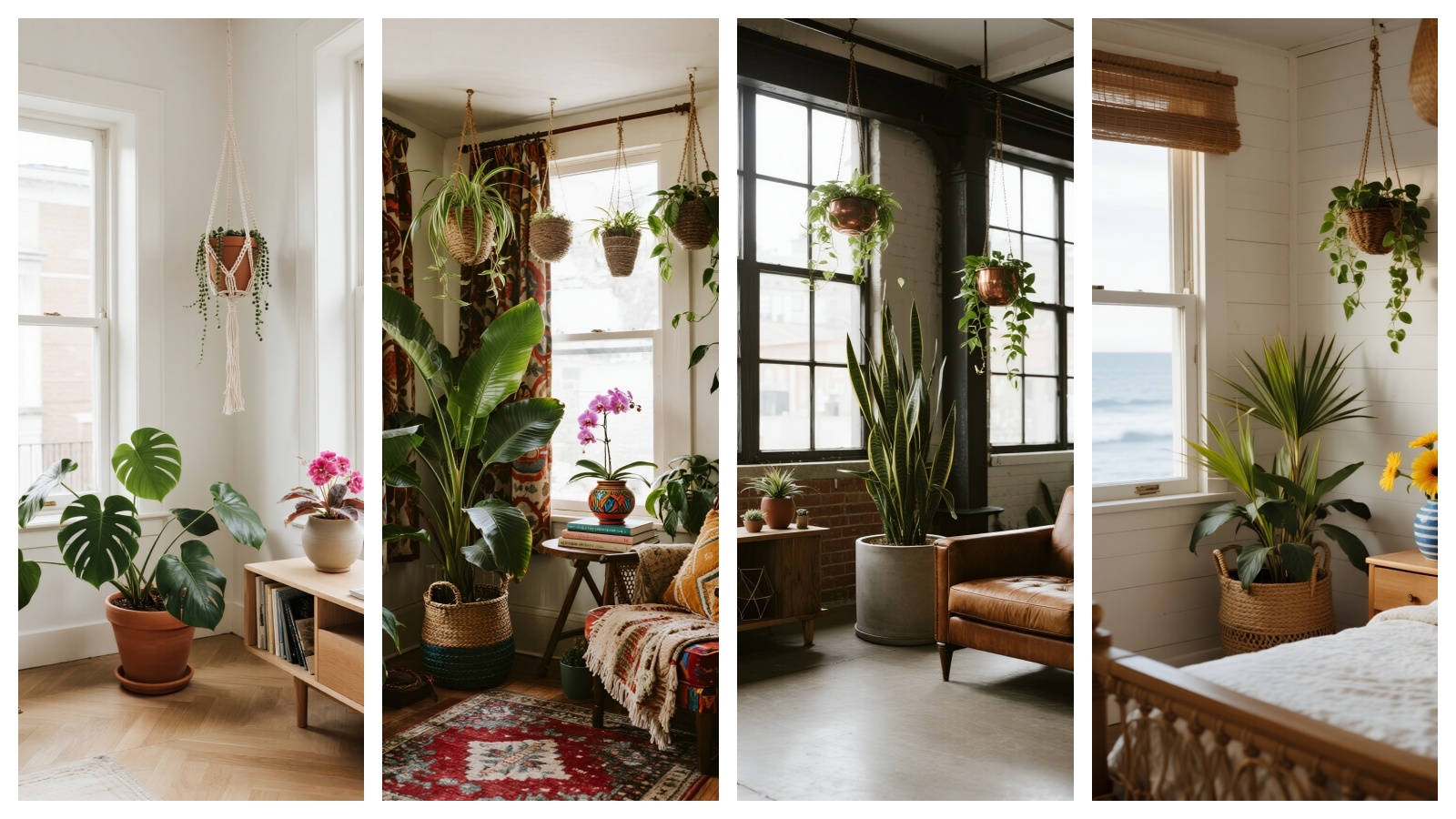
- Tropical Foliage Plants (e.g., Monsteras, Pothos, Philodendrons): These plants prefer consistently moist but never soggy soil. Think of the moisture level of a well-wrung-out sponge.
- How to water: Water thoroughly when the top 1-2 inches of soil feel dry to the touch.
- Signs of trouble: Overwatering leads to yellowing leaves and soft, black stems (root rot). Underwatering causes drooping, brown crispy leaf edges, and dry soil that pulls away from the pot’s edge.
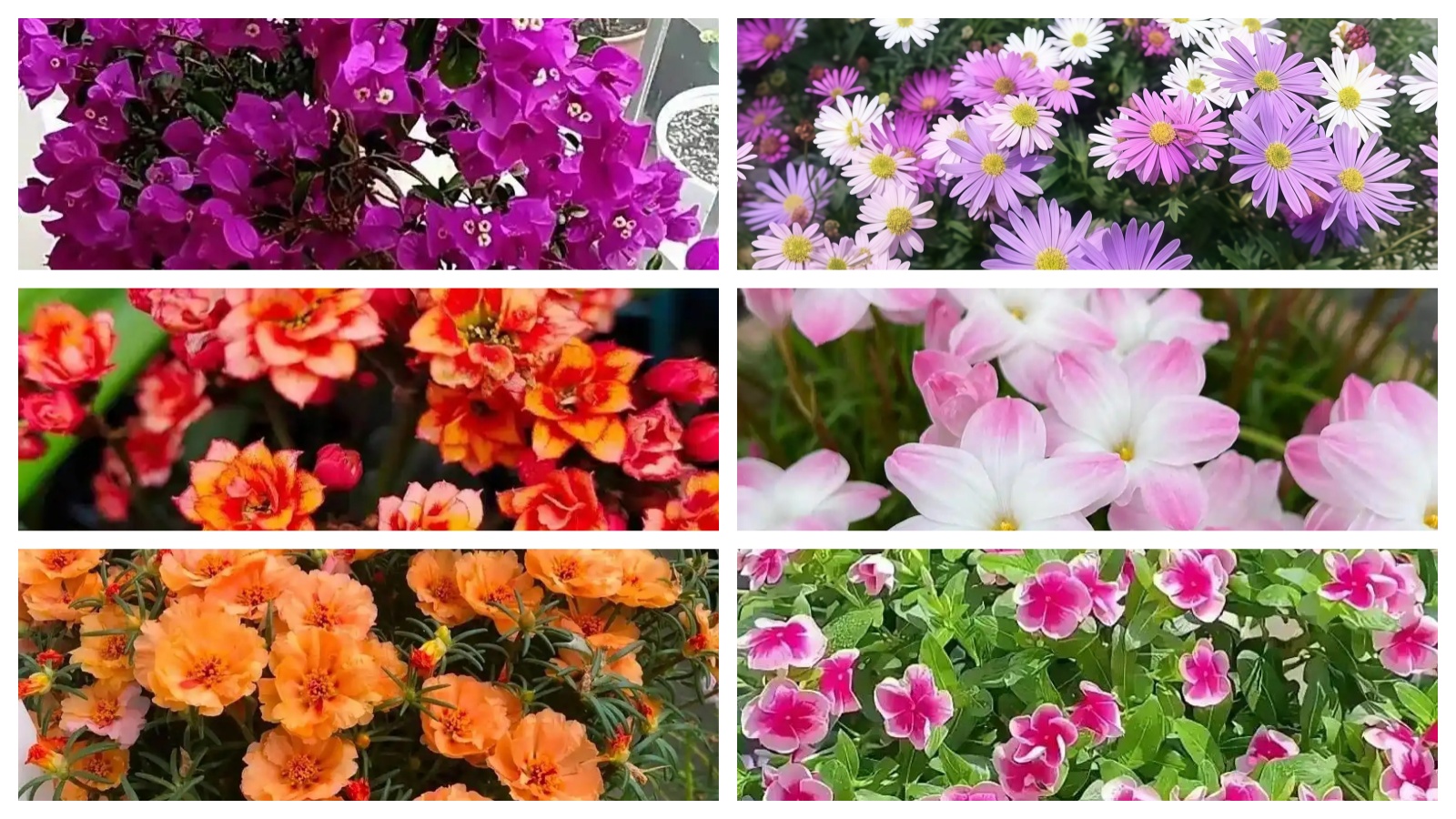
- Flowering Plants & Annuals: These heavy bloomers are often thirstier, as they expend a lot of energy. They generally prefer consistently moist soil.
- How to water: Check frequently and water when the top inch of soil is dry. Hanging baskets, especially, can dry out very quickly in the sun.
- Signs of trouble: Wilting and drooping are the first signs of thirst. Overwatering can cause buds to drop and flowers to mold.
Part 2: Listen to Your Environment (The External Factors)
Your home environment is just as important as your plant’s type. A fixed schedule (e.g., “water every Tuesday”) is a recipe for disaster because these factors are always changing.
- Light: A plant in bright, direct sunlight will photosynthesize faster and use water more quickly than the same plant in a low-light corner. Adjust your watering frequency based on light exposure.
- Temperature & Humidity: Warm temperatures and low humidity (common with air conditioning or heating) cause soil to dry out faster. High humidity and cooler temperatures slow down evaporation. Water less in winter when plants are often dormant and growth slows.
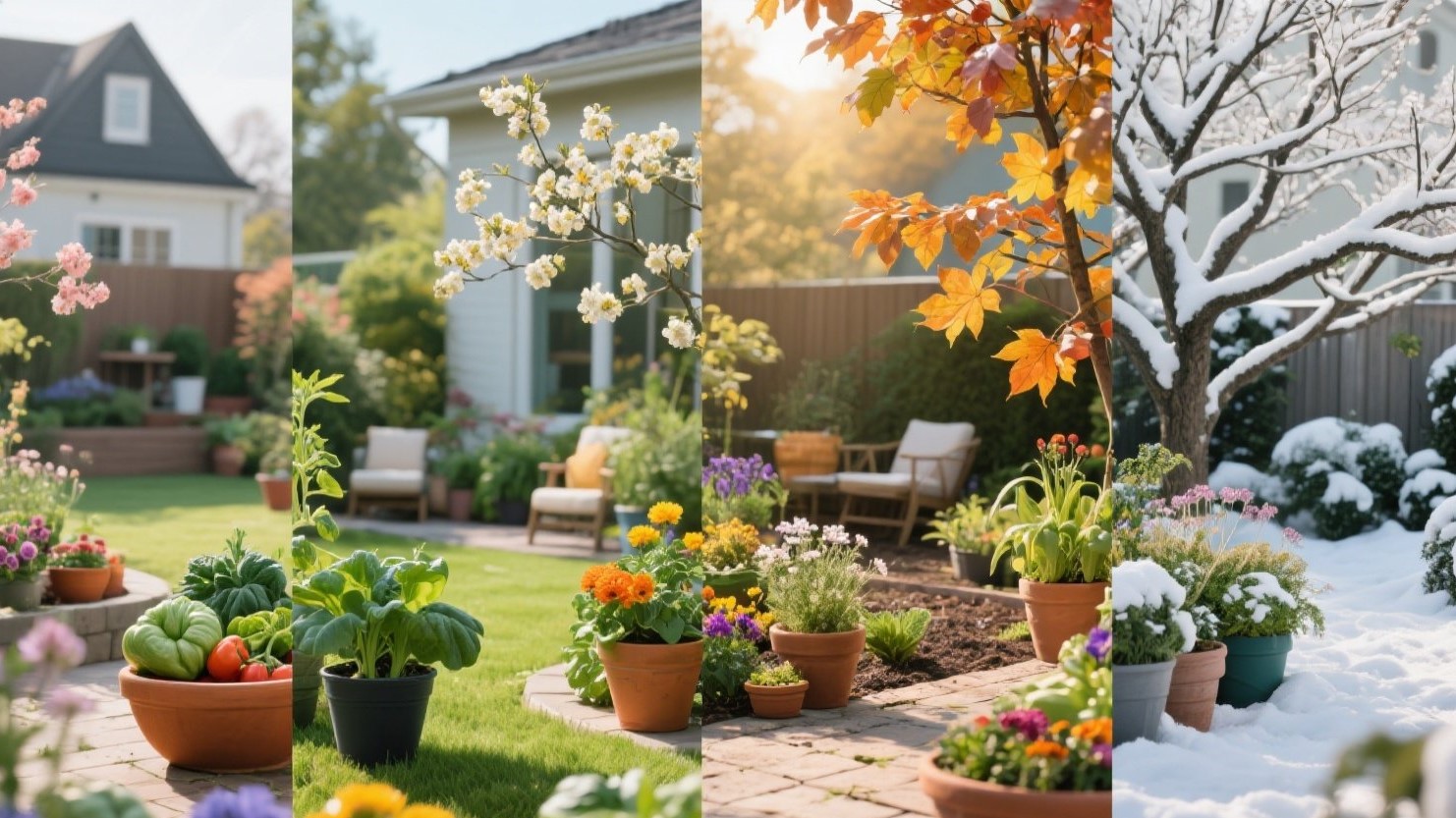
- Season: Plants are actively growing in spring and summer, demanding more water. In fall and winter, most plants enter a rest period and need significantly less water. Always check the soil before watering, regardless of the season.
- Pot Type & Size:
- Terracotta/Clay Pots: Are porous and allow water to evaporate through the walls. They dry out much faster.
- Plastic/Glazed Ceramic Pots: Are non-porous and retain moisture for much longer.
- Pot Size: A small pot dries out faster than a large pot holding a large volume of soil.
Part 3: How to Water Correctly: Technique Matters
- The Gold Standard: The Finger Test. Forget the calendar. Push your finger 1-2 inches into the soil. If it feels dry, it’s time to water. If it feels damp, wait and check again in a few days.
- Water Thoroughly. When you water, do it properly. Slowly pour water over the soil until you see it escaping freely from the drainage holes. This ensures the entire root ball is hydrated.
- Avoid Leaf Splash. Water the soil, not the leaves. Wet foliage can encourage fungal diseases and sunburn (if in direct sun).
- Use Room Temperature Water. Ice-cold water can shock the roots of sensitive plants.
- Empty the Saucer. Never let your plant sit in a saucer full of water for more than 30 minutes. This is the fastest way to cause root rot. Always discard the excess water.
Part 4: Must-Have Tools to Take the Guesswork Out
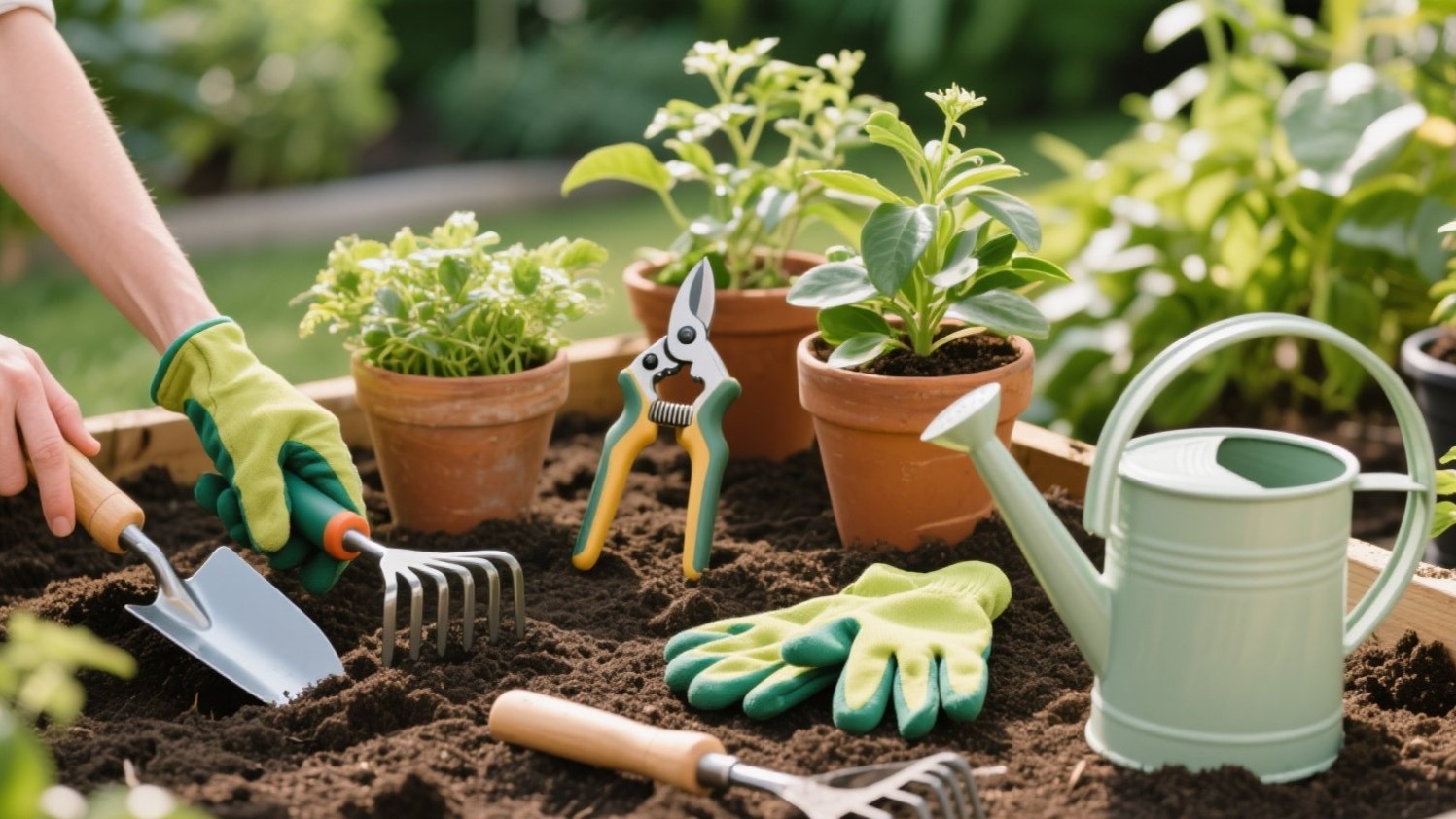
If you’re tired of second-guessing, these tools are worth the investment.
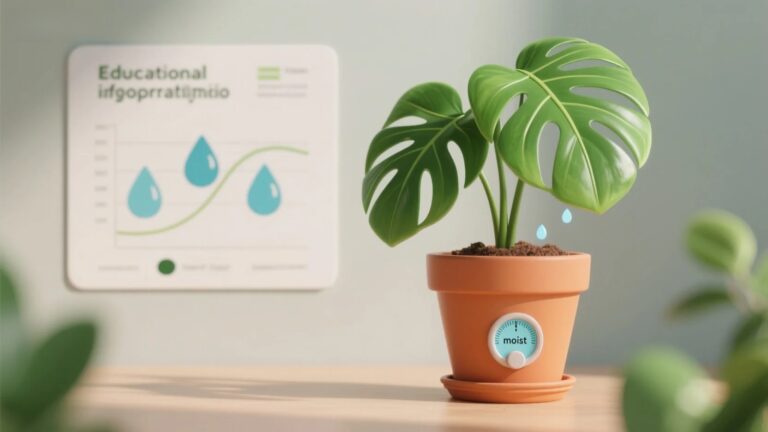
- Soil Moisture Meter: This is the ultimate tool for beginners and experts alike. You simply insert the probe into the soil, and it gives you a reading of the moisture level at the root zone. It completely eliminates the guesswork of the finger test.
- Self-Watering Pots: These pots feature a water reservoir at the bottom and a wicking system. The plant draws up the water it needs through the soil, drastically reducing the frequency of watering and the risk of overwatering. Excellent for consistent moisture-loving plants and busy plant parents.
- Pots with Drainage Holes: This isn’t just a tool; it’s a non-negotiable requirement. Proper drainage is critical for plant health. If you have a decorative pot without a hole, use a plastic nursery pot with drainage inside it.
The Bottom Line
Mastering watering is about becoming an observer. Pay attention to your plant’s cues and your home’s environment. Ditch the strict schedule, embrace the finger test or a moisture meter, and always err on the side of underwatering—it’s much easier to save a dry plant than a waterlogged one.
By understanding these principles, you can confidently give your plants the hydration they need to thrive, not just survive. Happy growing