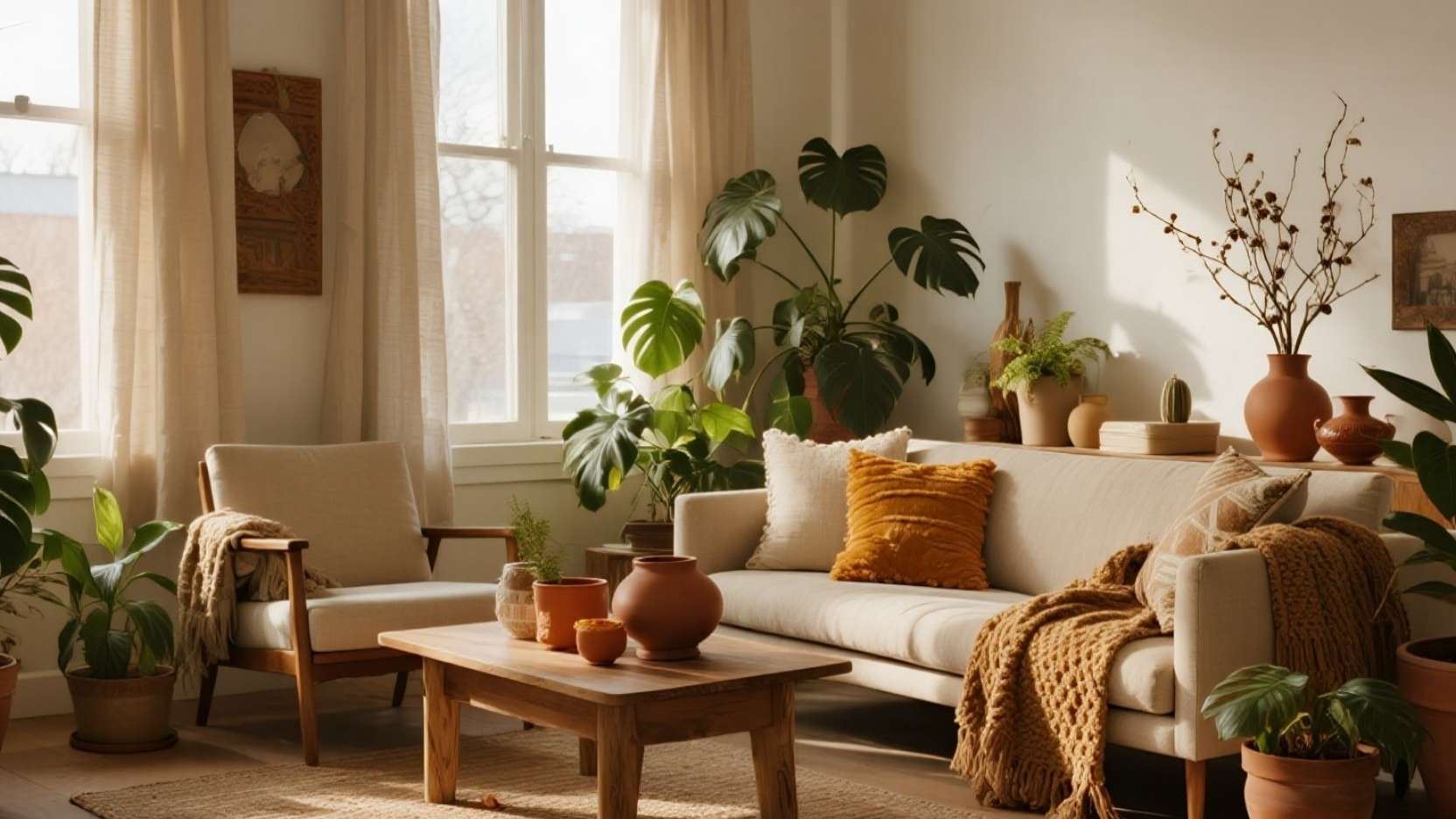
Introduction: Full, but calm 🌱
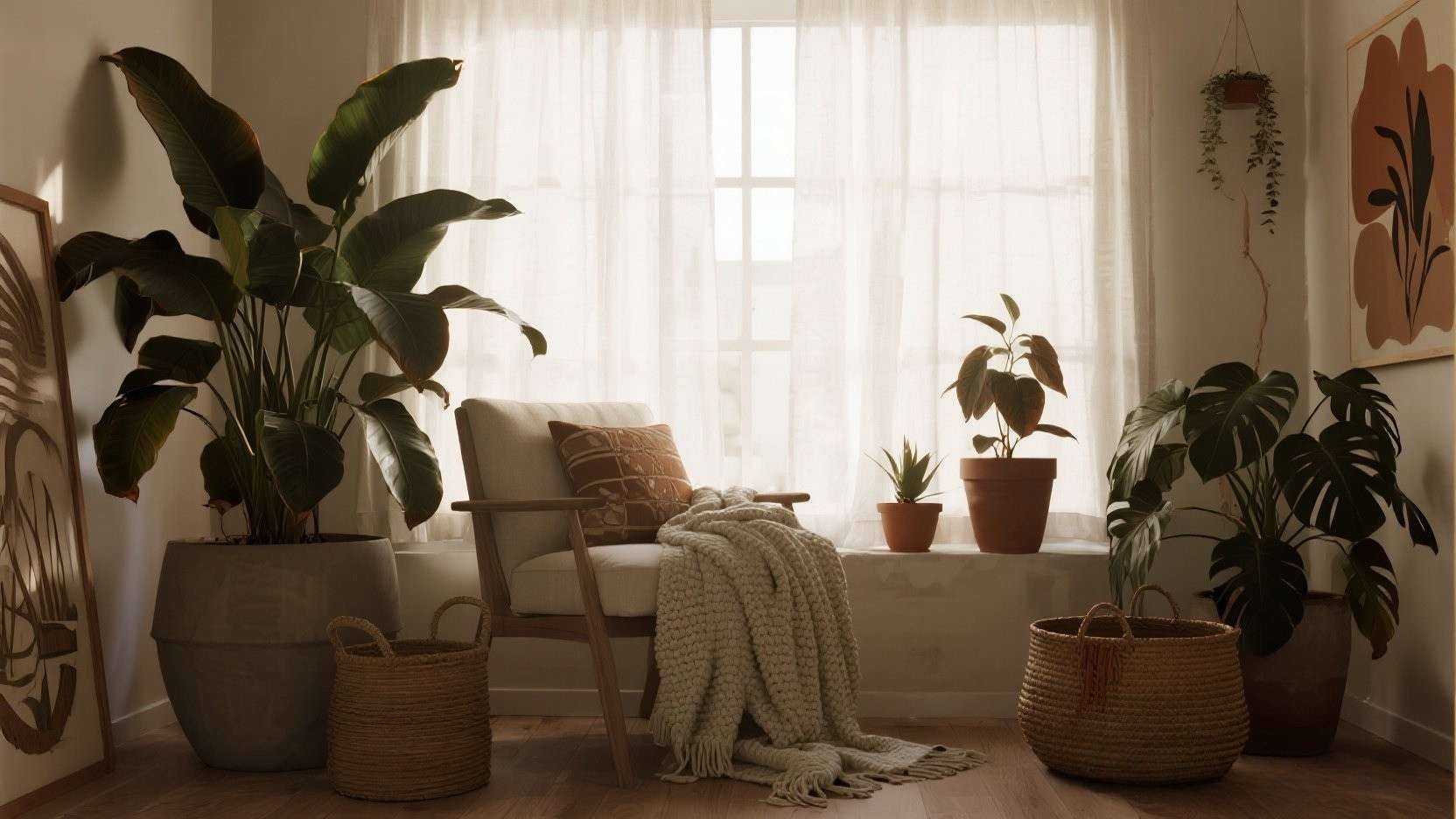
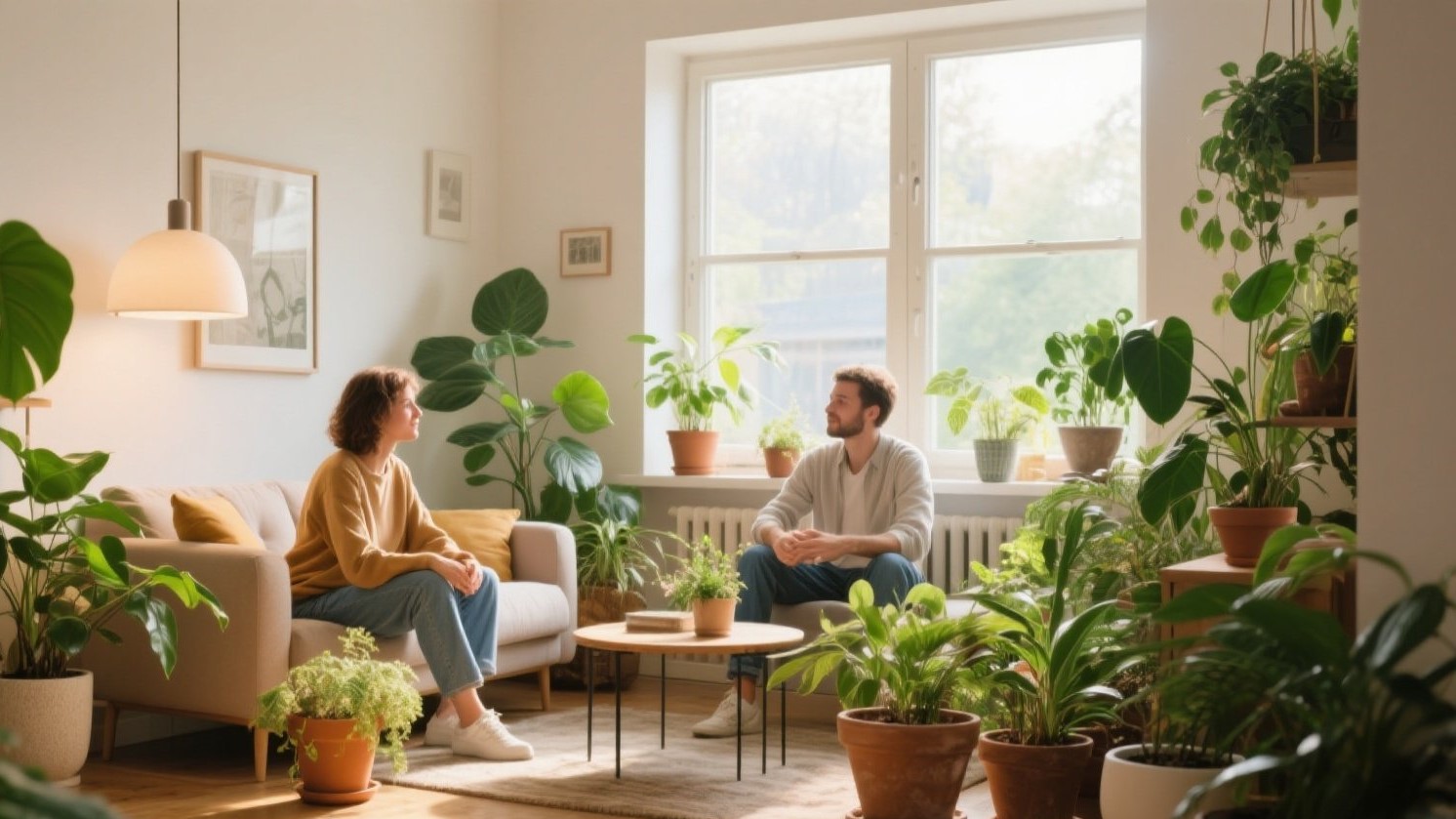
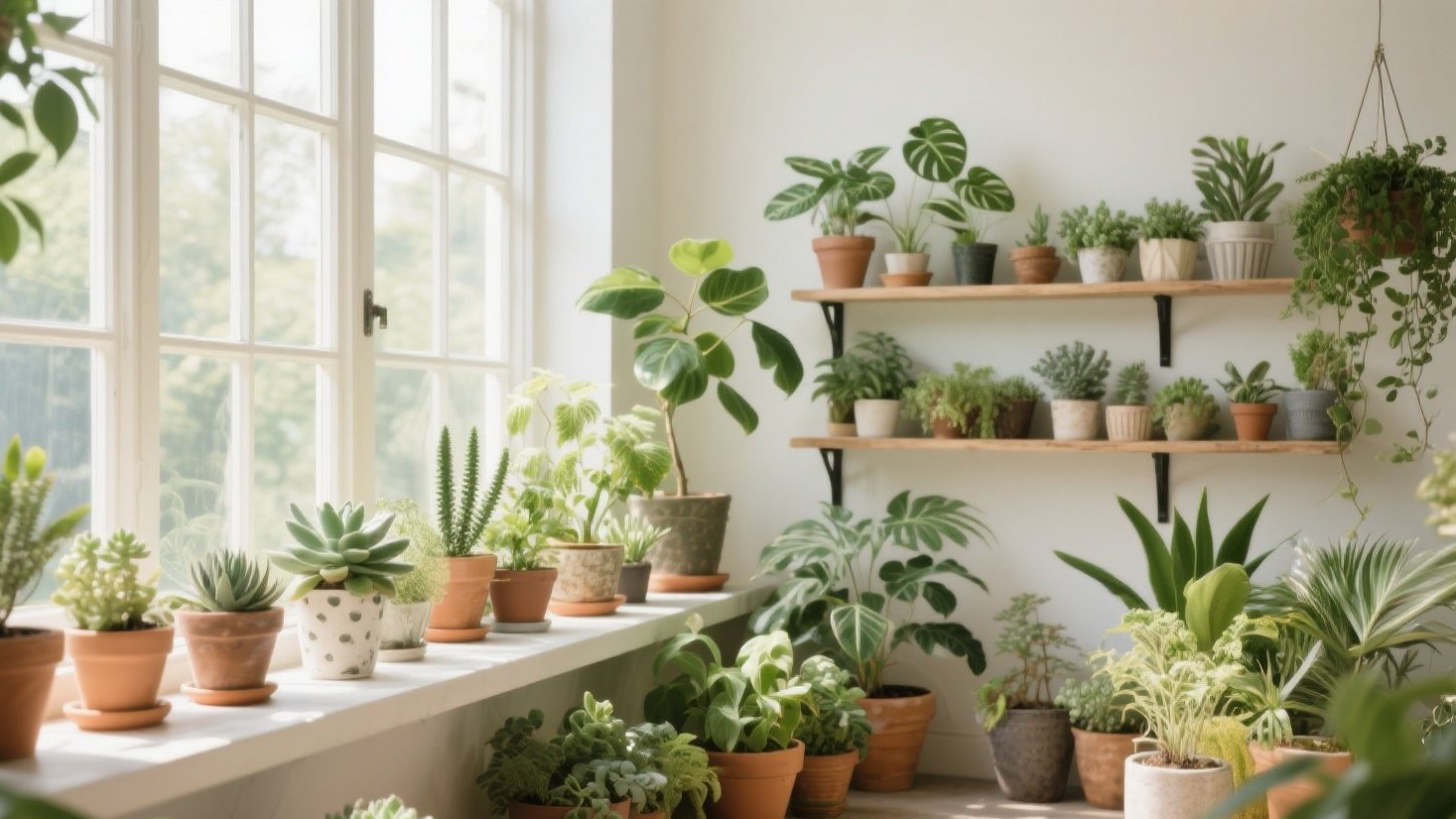
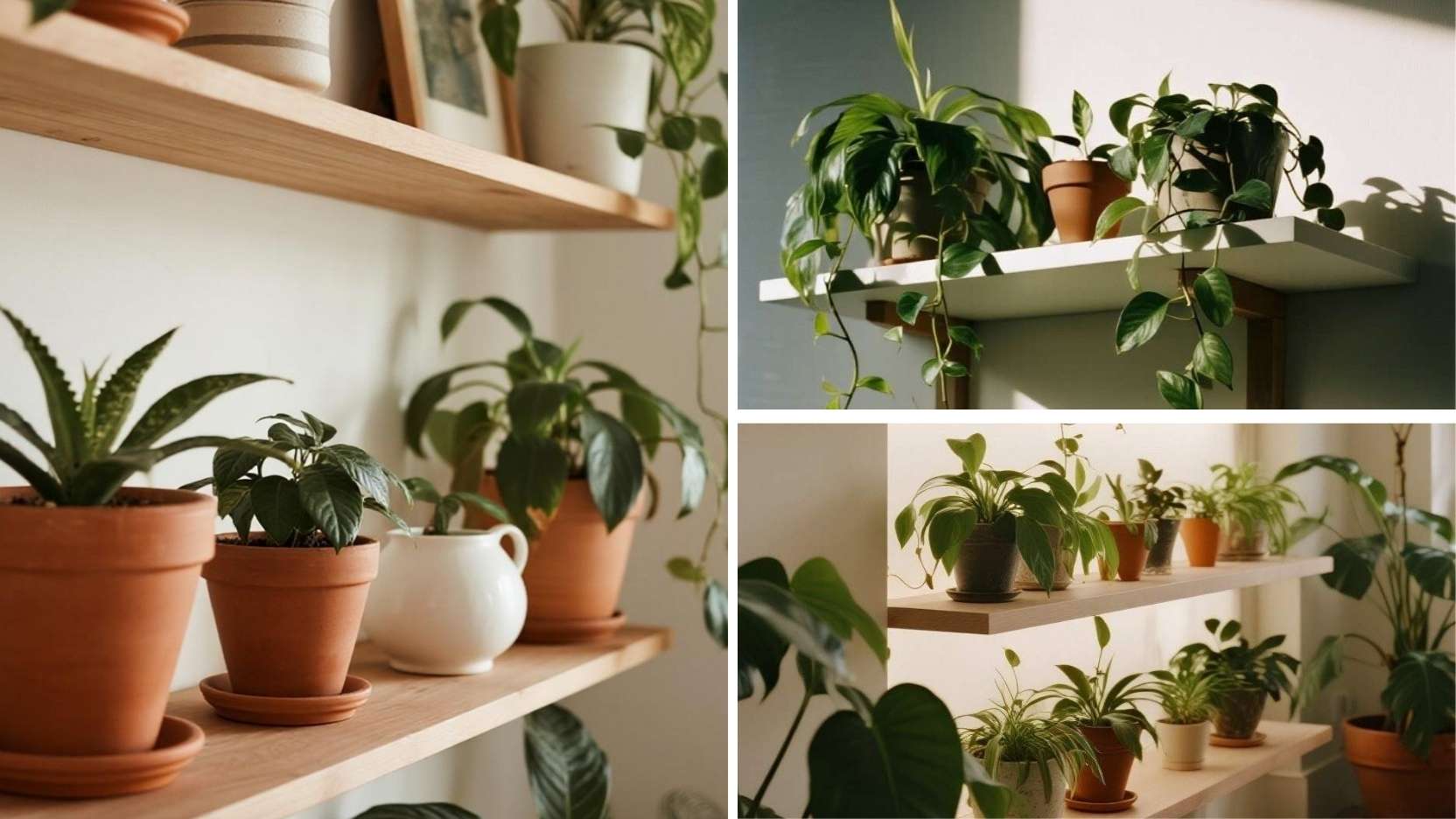
A plant shelf looks “balanced” when it feels curated—like a tiny indoor gallery—rather than crowded. 😌 The secret is negative space: the intentional breathing room that makes leaves, pots, and textures stand out. 📸 When you design the layout on purpose, your shelf can look lush and clean, even as plants grow. 🌿
1) Pick a repeating palette (so “full” looks unified) 🎨🪴
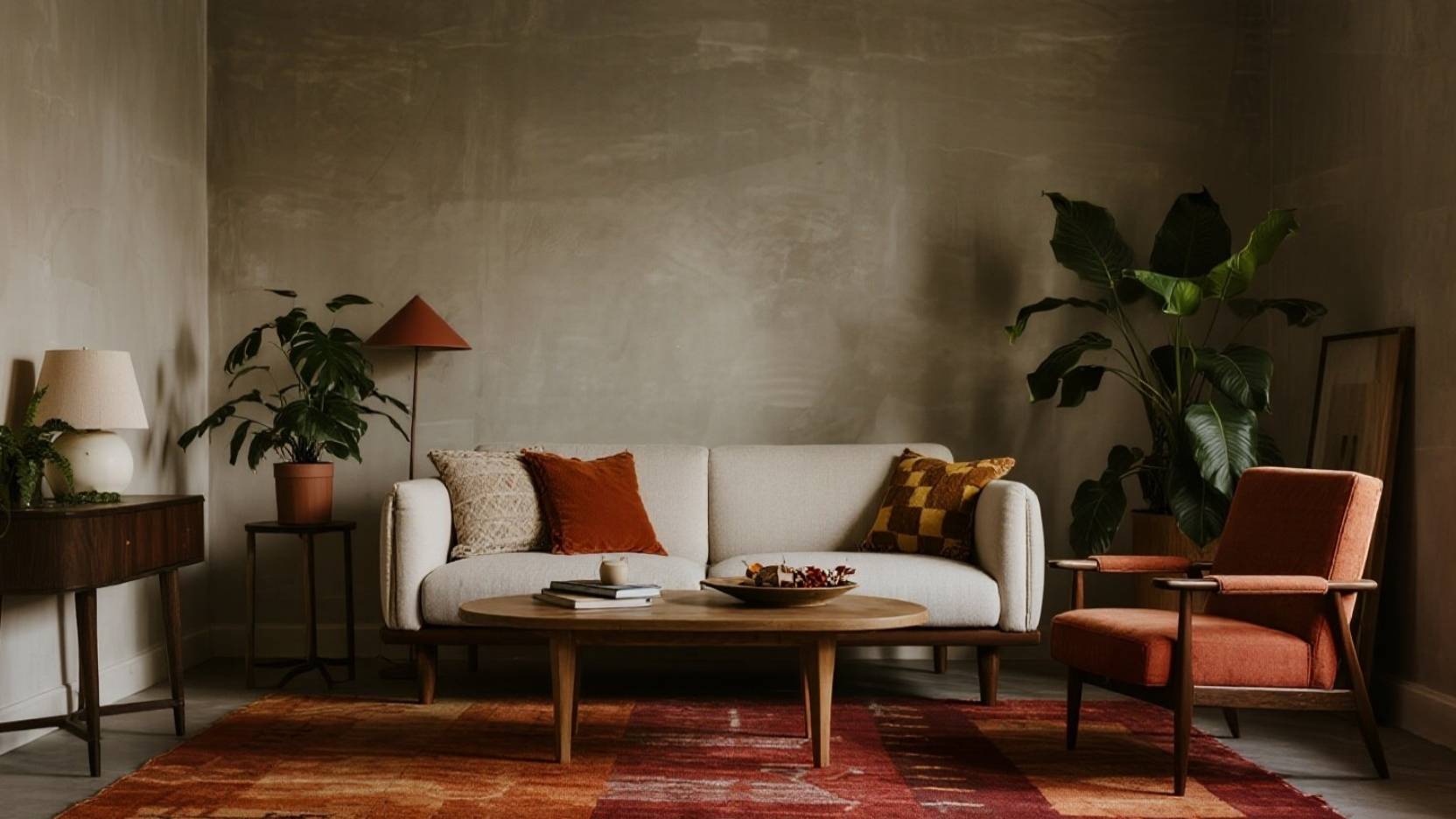
Before you move plants around, choose 2–3 pot colors or materials to repeat across the shelf (example: terracotta + white + matte black). 🧡🤍🖤 Repetition makes the eye relax, so you can add more plants without the setup feeling chaotic. ✅ Keep the busiest patterns limited to one “statement” pot, then let simpler pots do the calming work. 🧘♀️

2) Group plants in odd numbers (and build mini “scenes”) 3️⃣5️⃣
Arrange plants in groups of 3 or 5, mixing one tall plant, one medium, and one trailing plant for a natural “triangle” shape. 🔺🌿 This gives fullness without needing to fill every inch, because the group reads as one intentional focal area. 👀 Leave a small gap between groups so each cluster looks styled—not stuffed. ✨

3) Use negative space like a gallery curator 🖼️🌤️
Aim to leave about 20–40% of the shelf surface visually open (clear space or “quiet” areas) so the greenery pops. 🌱🤍 Negative space also improves airflow around foliage, which helps reduce moisture staying trapped on leaves and lowers the risk of mildew and common pest issues. 🌬️✅ Keep at least a finger-width gap between pots and walls to avoid scuffed paint and to make cleaning easier. 🧽

4) Create levels with risers (so plants don’t “fight” for attention) 📚⬆️
Use risers, sturdy books, or plant stands to stagger heights, so each plant gets its own spotlight without blocking others. ✨ Taller plants belong toward the back, while smaller plants move forward—this improves visibility and makes the shelf feel fuller in photos. 📸 Always protect books and wood with trays or saucers, since even a small drip can stain surfaces over time. 💧🪵

5) The “Prune + Rotate” routine (keep the “after” from becoming wild) ✂️🔄
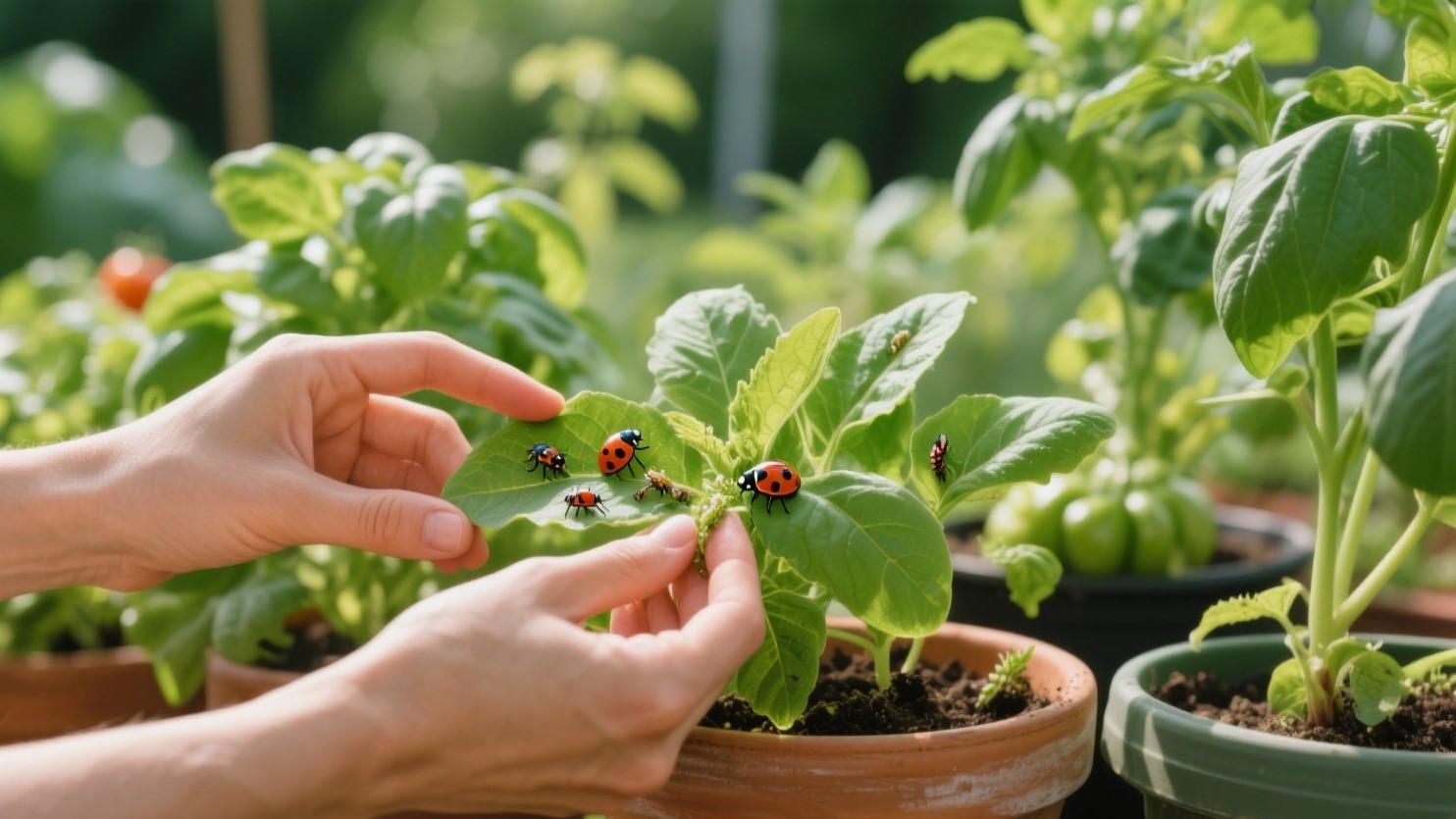
Set a simple maintenance rhythm: prune fast growers, wipe dusty leaves, and rotate plants a quarter turn weekly so growth stays even toward the light. 🌤️🪴 If one plant starts dominating the silhouette, swap it with a smaller plant for two weeks—your shelf stays balanced while everything keeps thriving. 🔁 Also do a quick check under leaves for early pests (like tiny webs or specks), because catching issues early keeps the shelf camera-ready. 👀✅

Conclusion: Lush on purpose, not loud 🌿✅
A shelf can look “full” when your choices repeat, your groups feel intentional, and your negative space stays protected. 🤍 The best-looking before/after shelves aren’t about adding more plants—they’re about giving each plant room to shine. ✨ With a quick prune-and-rotate habit, your balanced jungle stays beautiful as it grows. 🌱📸